
Independent Horology · Perspectives
Perspectives
Structural analysis of horology — brand positioning, market cycles, and the craft–commerce tension.
The collection · 113 essays
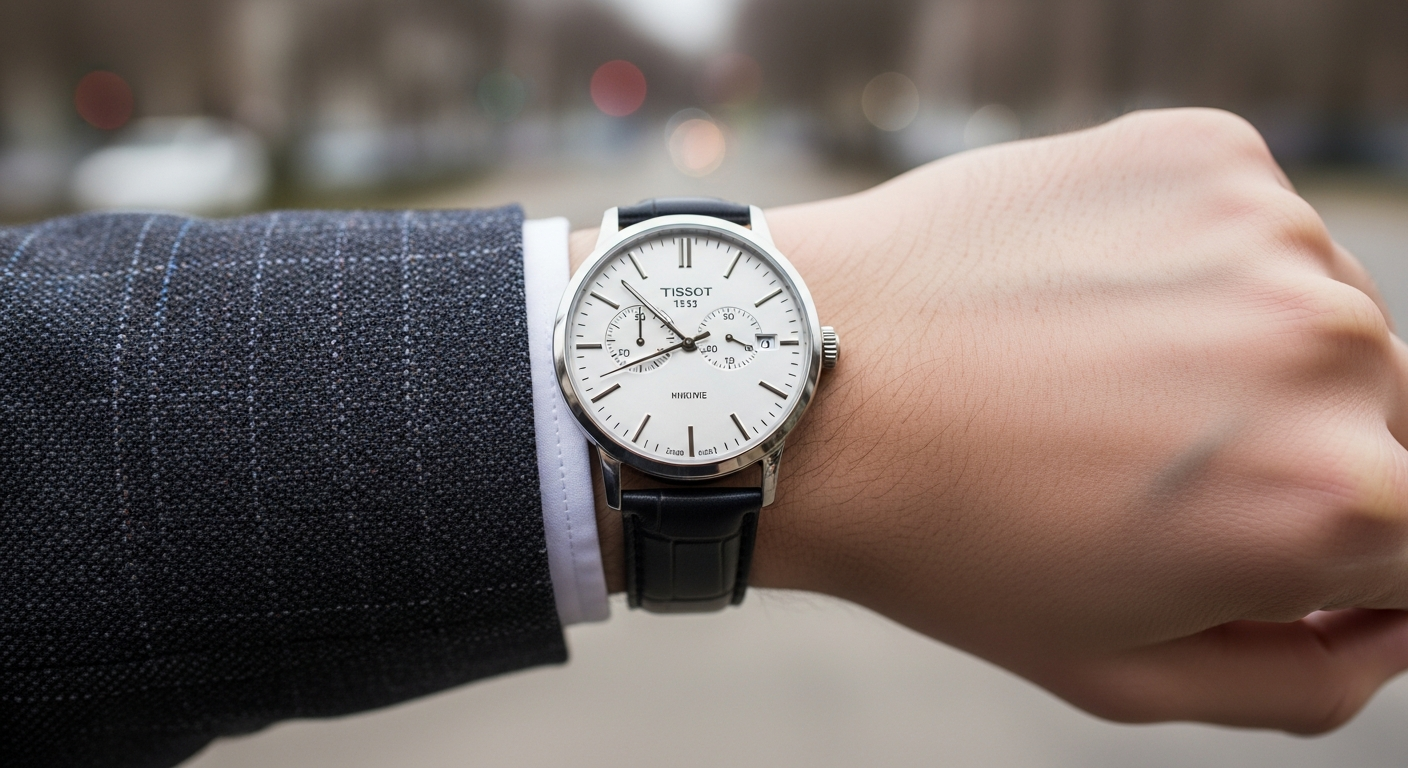
Tissot’s Quiet Luxury Playbook: How a Swiss Powerhouse Makes Heritage, Innovation, and Value Feel Premium
Tissot doesn’t sell aspiration the way traditional luxury does—it sells permission: permission to enter Swiss watchmaking with confidence, to wear a mechanical name…
Read the essay ↗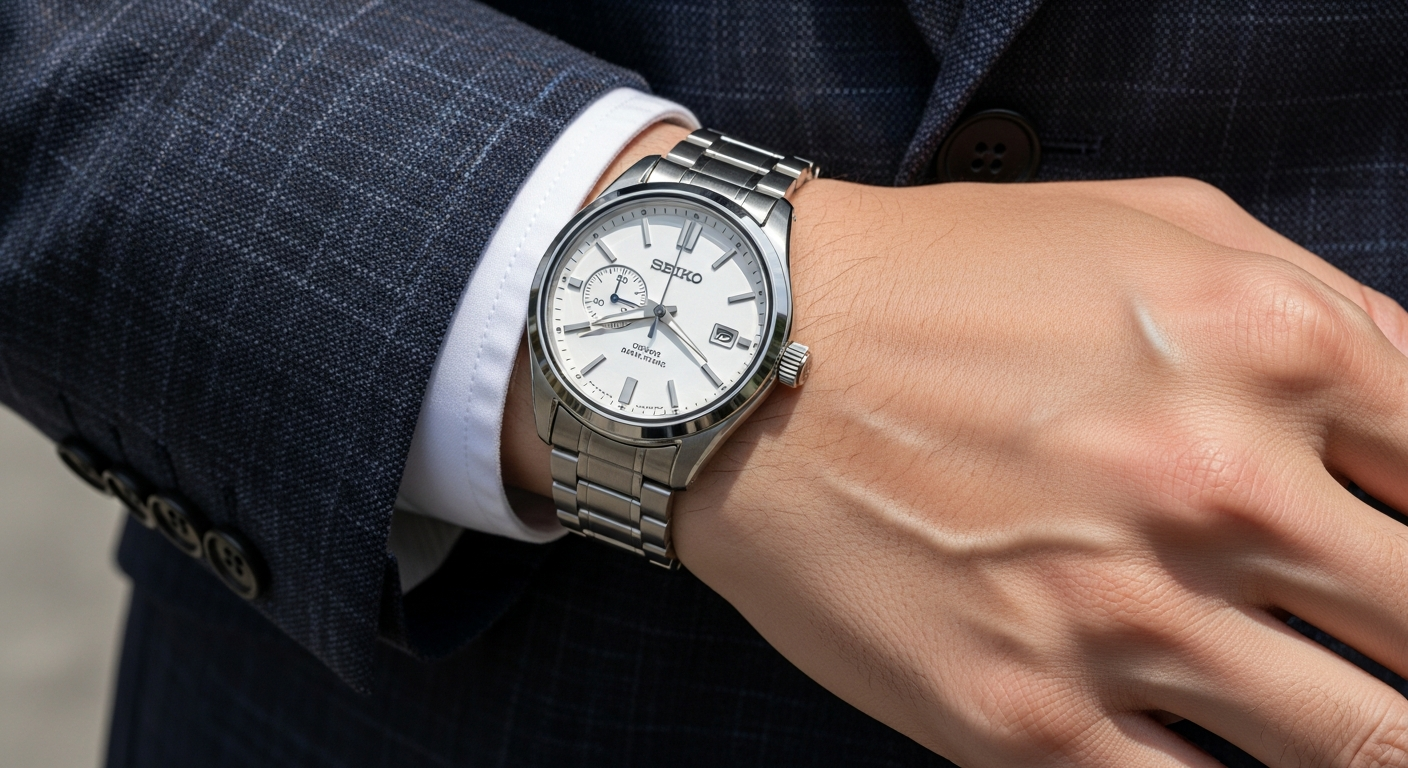
Seiko’s Luxury Paradox: How Japan’s Watchmaker Built Credibility From Tool Watches to Grand Complications
Seiko doesn’t sell the fantasy of heritage; it sells the proof of competence. In a category where luxury is often narrated through Swiss…
Read the essay ↗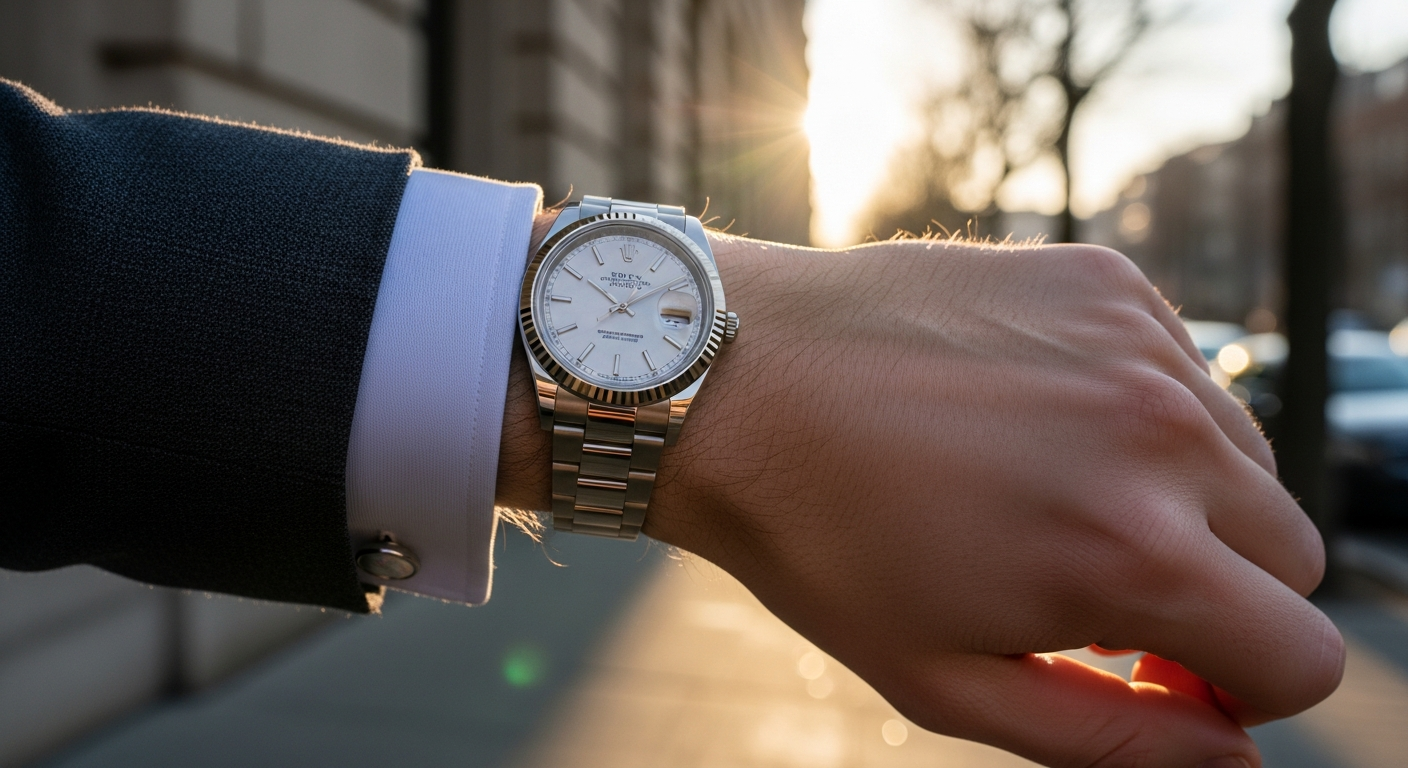
Rolex in 2026: The Quiet Engineering of Desire—How Scarcity, Standardization, and Service Made the Crown Untouchable
Rolex doesn’t win by shouting about innovation—it wins by making reliability feel like luxury and availability feel like privilege. Behind the familiar silhouettes…
Read the essay ↗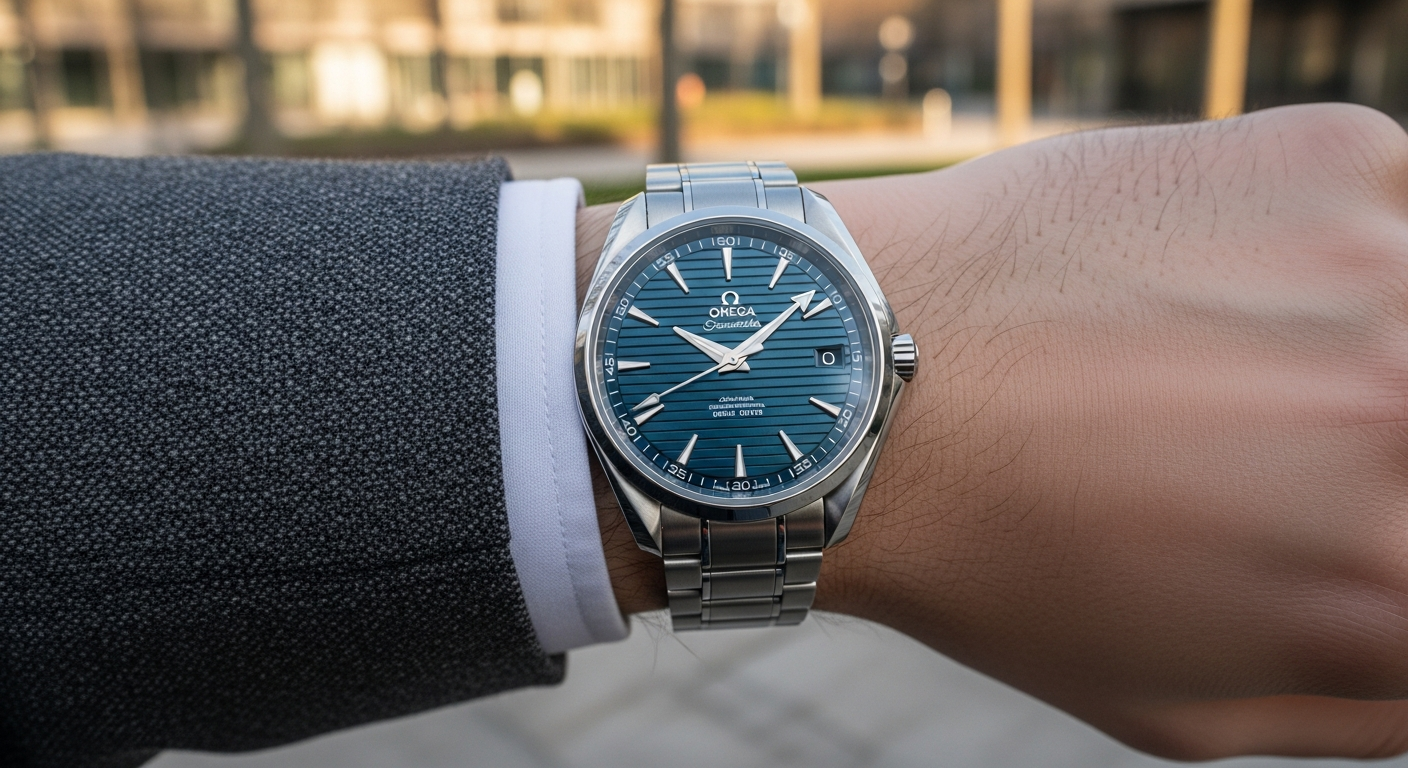
Omega in 2026: How a ‘Tool Watch’ Brand Became Luxury’s Most Credible Storyteller (Seamaster, Speedmaster, Constellation)
Omega’s advantage isn’t that it has history—every Swiss house does. It’s that its most famous stories are verifiable: pressure-tested in oceans, time-stamped in…
Read the essay ↗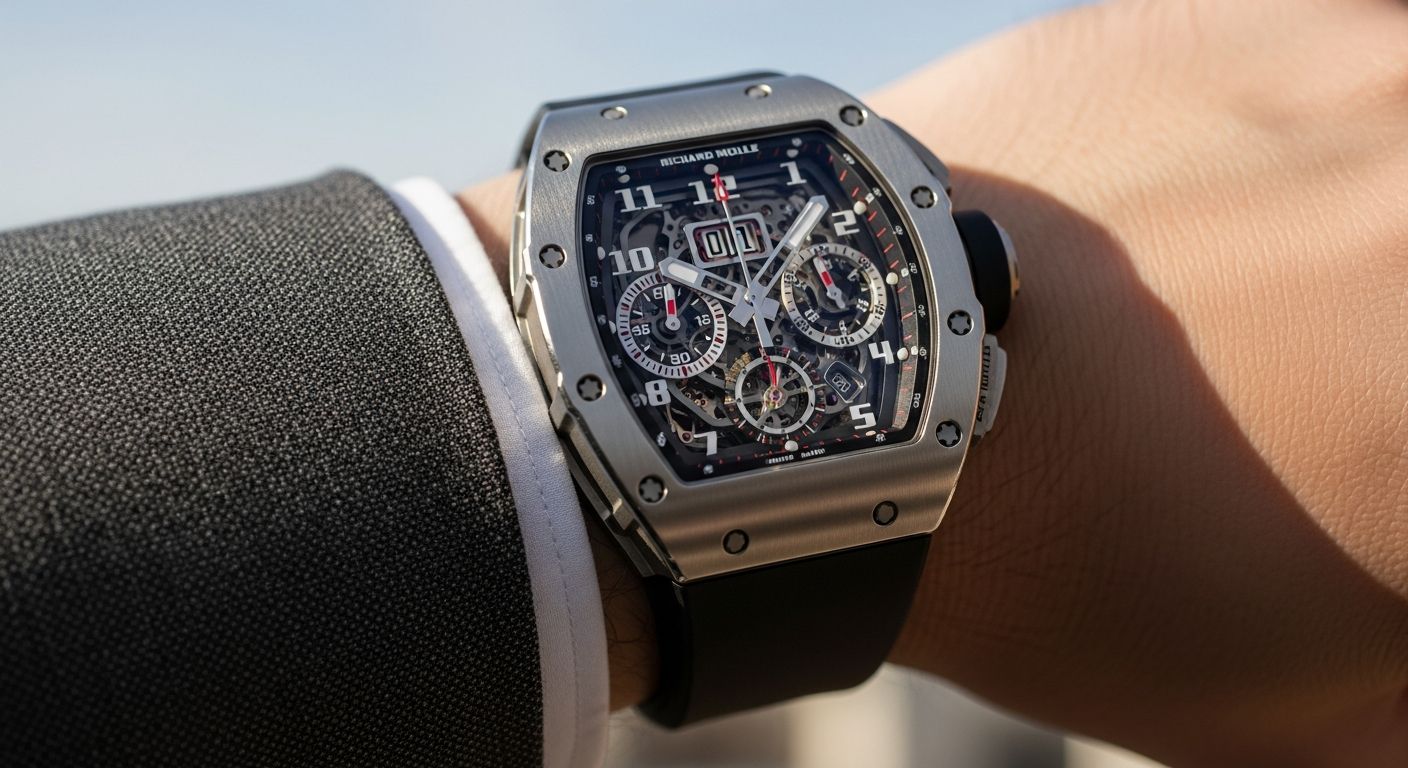
Richard Mille: How a $200,000+ Watch Brand Engineered Luxury Through Materials, Athletes, and Scarcity
Richard Mille didn’t win the luxury watch game by sounding like the past—it won by borrowing the language of the future. In less…
Read the essay ↗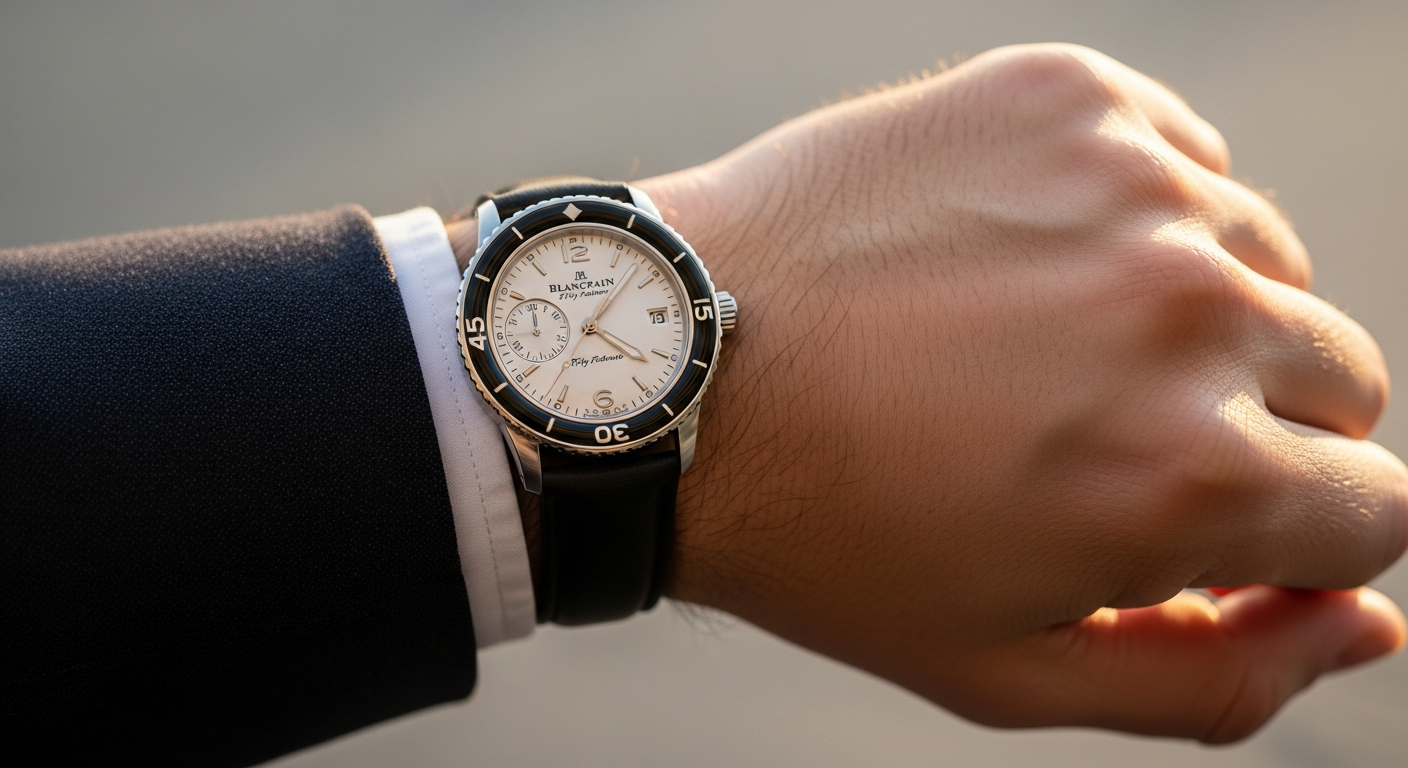
Blancpain in 2026: How the Fifty Fathoms and Ultra-Complications Reassert Luxury Watchmaking’s Quietest Power Brand
Blancpain doesn’t behave like a modern luxury brand—and that’s precisely why it still matters. While the industry chases visibility through collabs, waitlists, and…
Read the essay ↗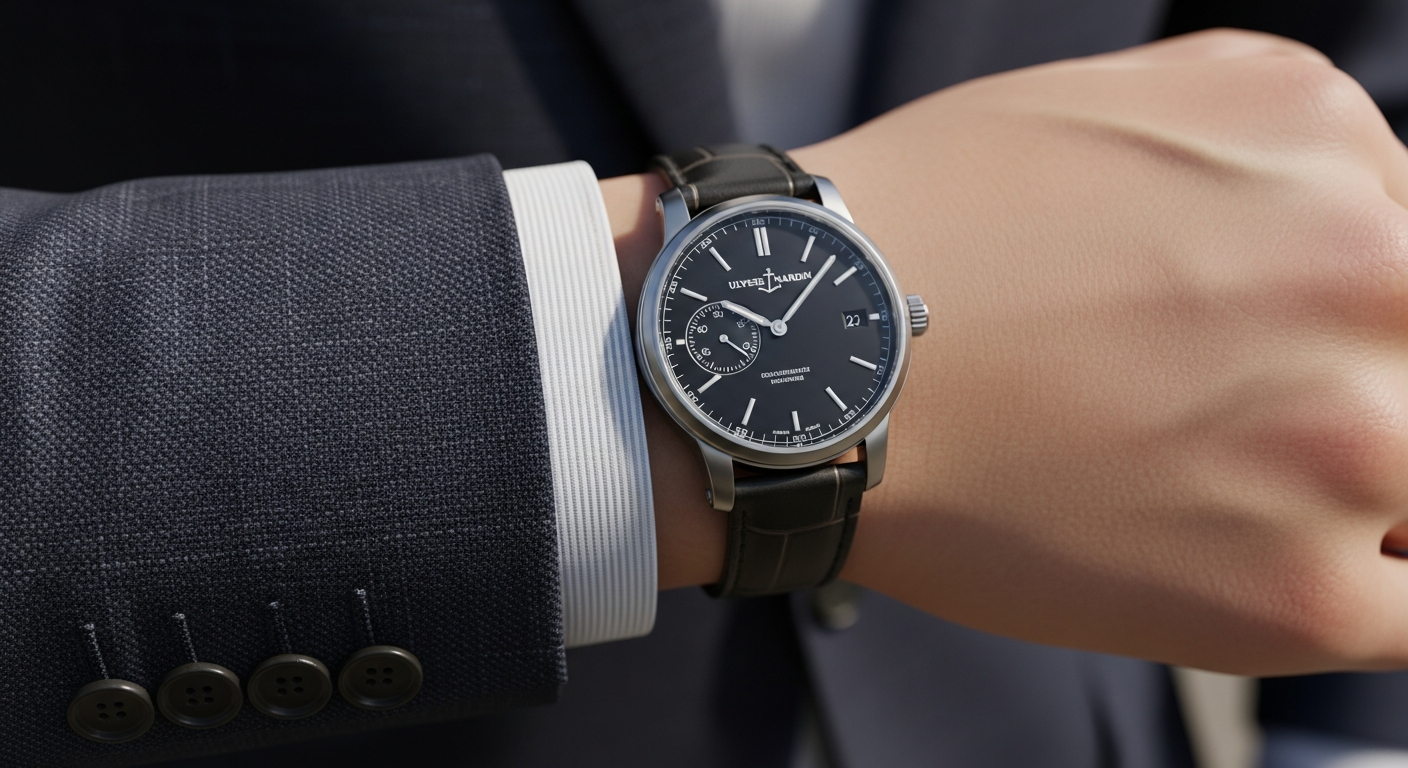
Ulysse Nardin in 2026: How a Marine Chronometer Legacy Became High Horology’s Most Fearless Experimental Lab
Few maisons can claim their reputation was built not in salons but at sea—where timekeeping meant navigation, commerce, and survival. Ulysse Nardin’s modern…
Read the essay ↗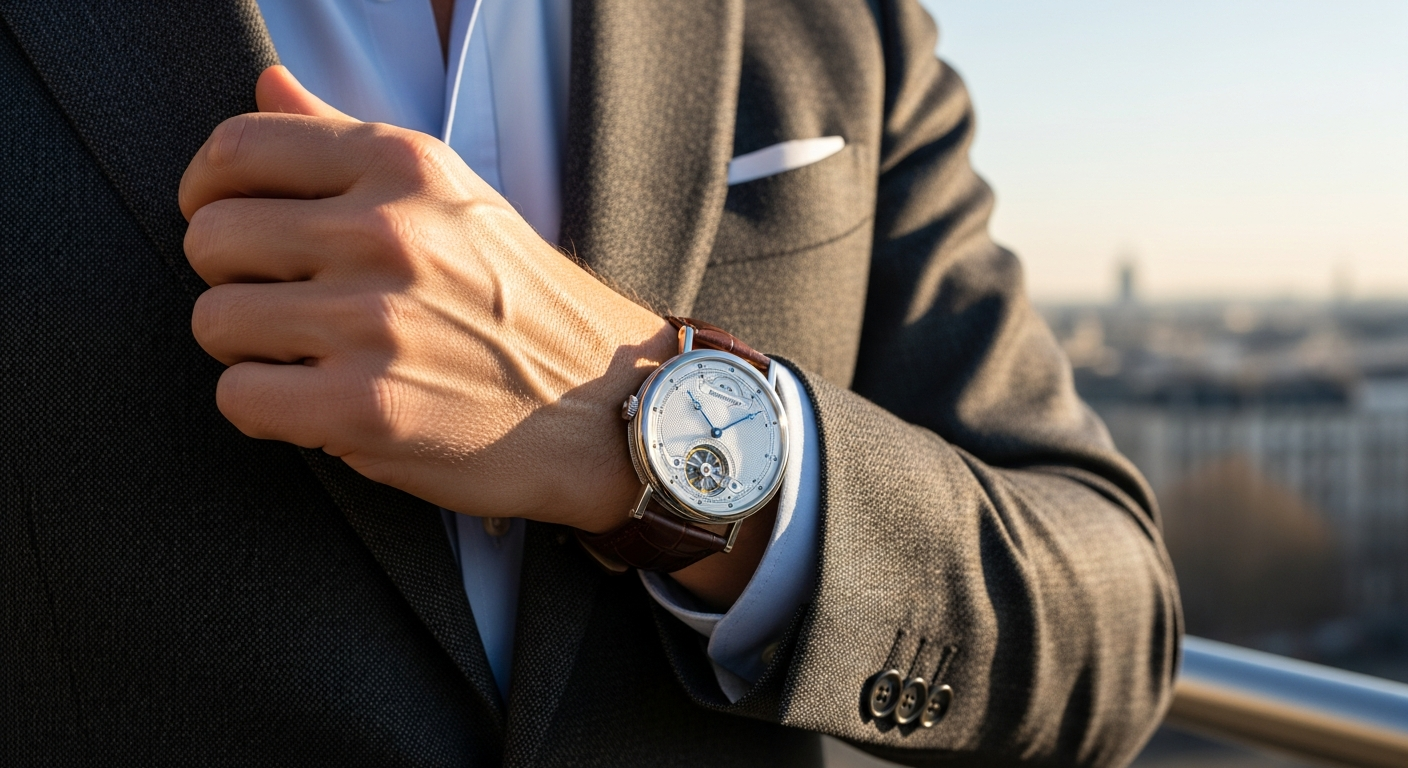
Breguet Watches: The Quiet Power of Watchmaking’s Original Innovator (From Marie‑Antoinette to the Modern Tourbillon)
Luxury watchmaking has plenty of history, but very few origin stories that still shape the present tense. Breguet is one of the rare…
Read the essay ↗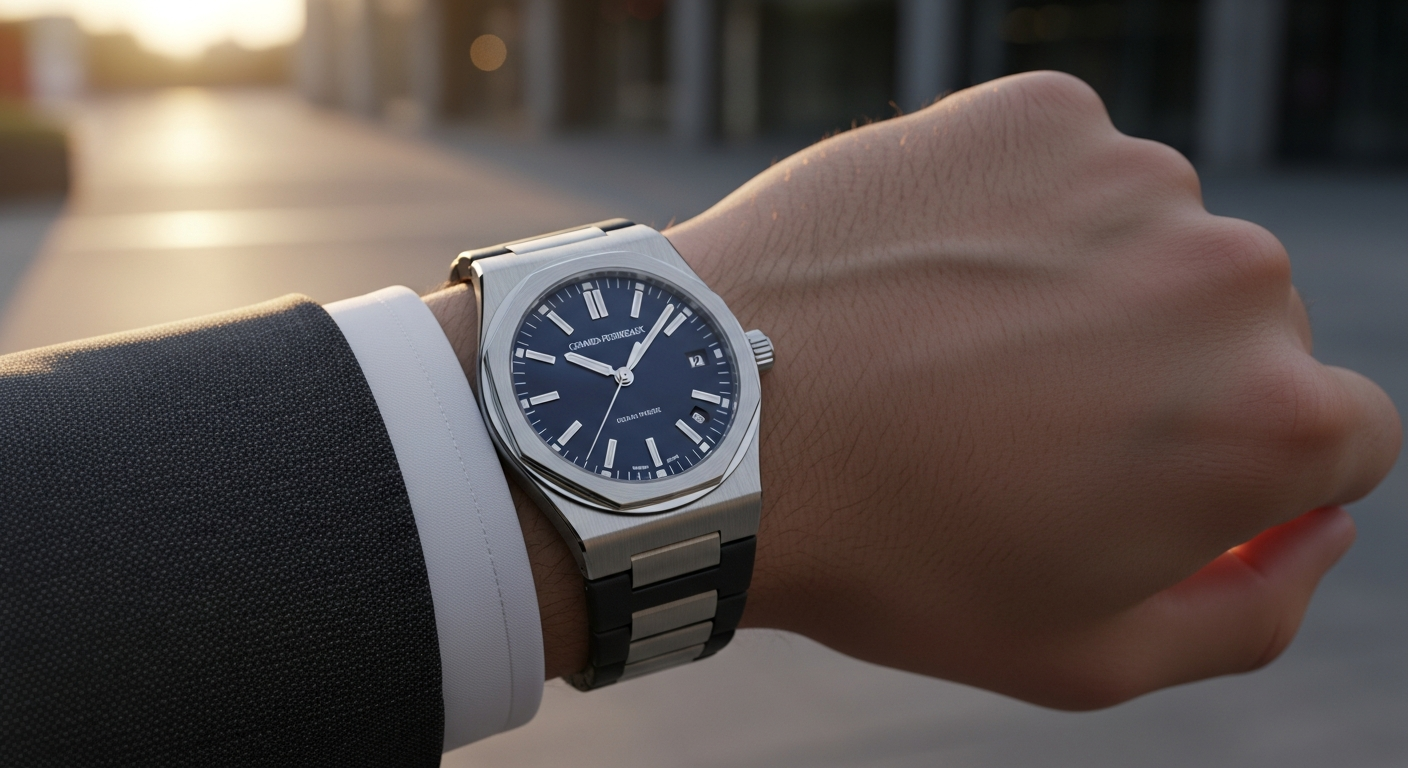
Girard-Perregaux: The Quiet Powerhouse of Swiss Haute Horlogerie—From Tourbillon Heritage to the Modern Laureato
In a market that rewards the loudest launches and the most instantly recognizable silhouettes, Girard-Perregaux has built something rarer: credibility that compounds. Its…
Read the essay ↗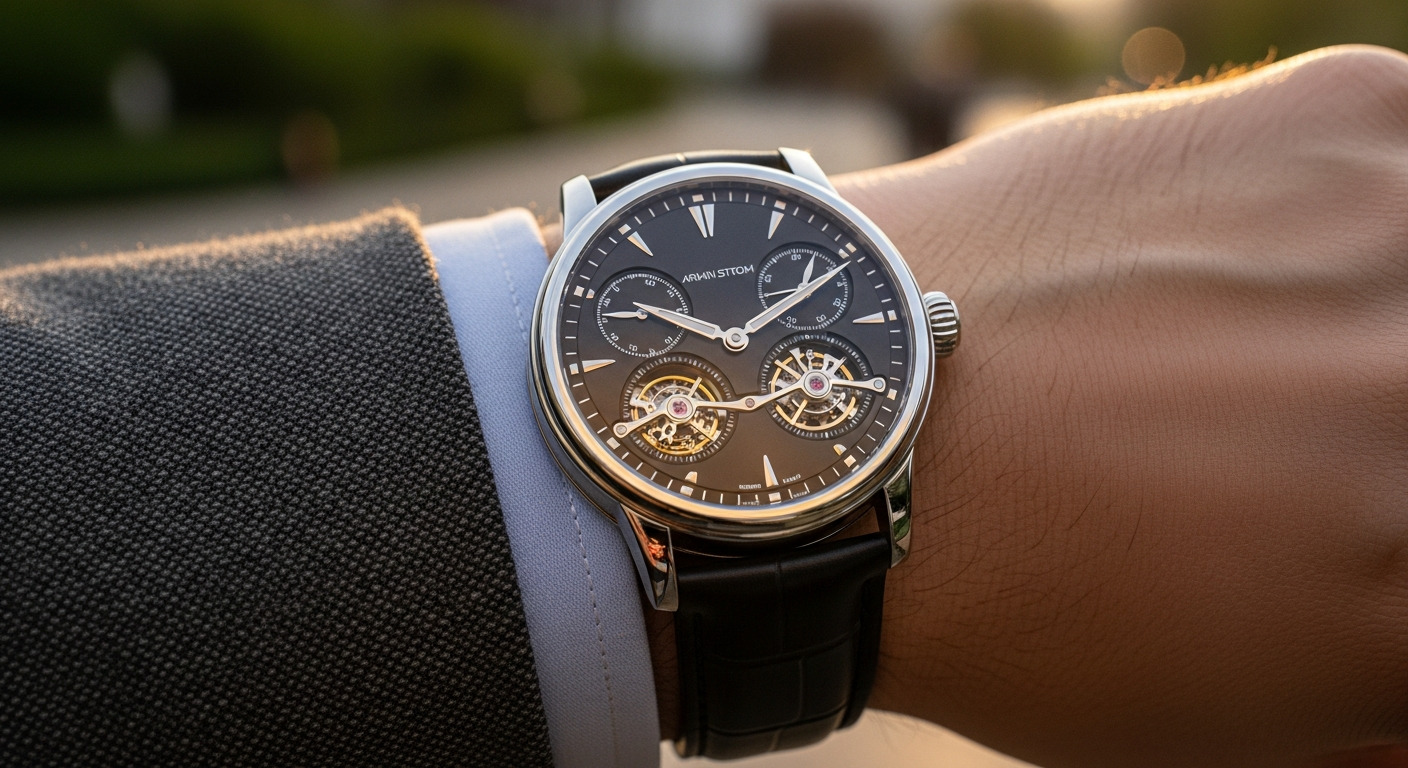
Armin Strom Explained: The Swiss Independent Making Skeletonized, Resonance-Driven Mechanical Art
In a category where skeletonization is often a styling shortcut, Armin Strom treats transparency as a manifesto: nothing is hidden, because the mechanics…
Read the essay ↗