
Independent Horology · Perspectives
Perspectives
Structural analysis of horology — brand positioning, market cycles, and the craft–commerce tension.
The collection · 113 essays
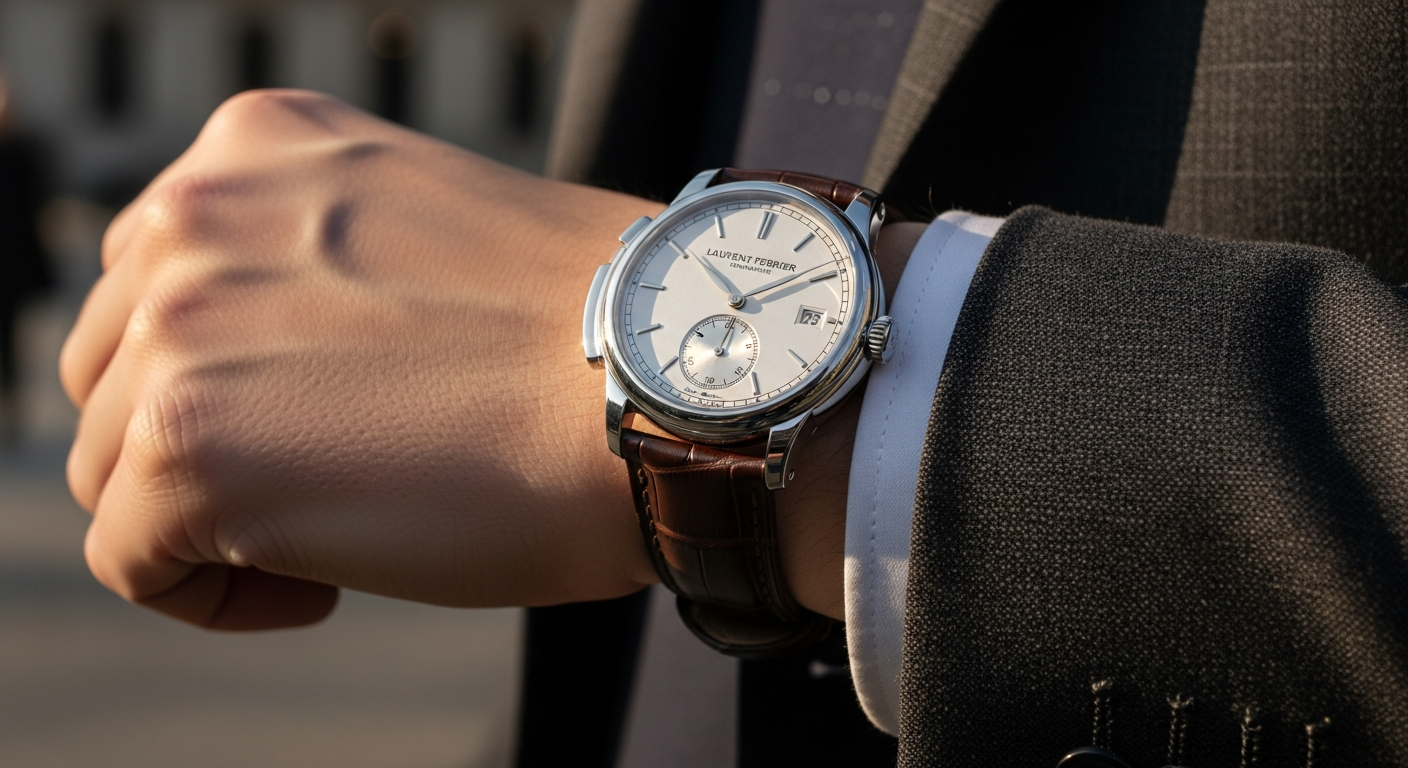
Laurent Ferrier: The Quiet Revolution in Independent Haute Horlogerie (And Why Collectors Can’t Ignore It)
In a category dominated by spectacle—bigger cases, louder colors, louder narratives—Laurent Ferrier feels almost anachronistic. And that is precisely its power. Born from…
Read the essay ↗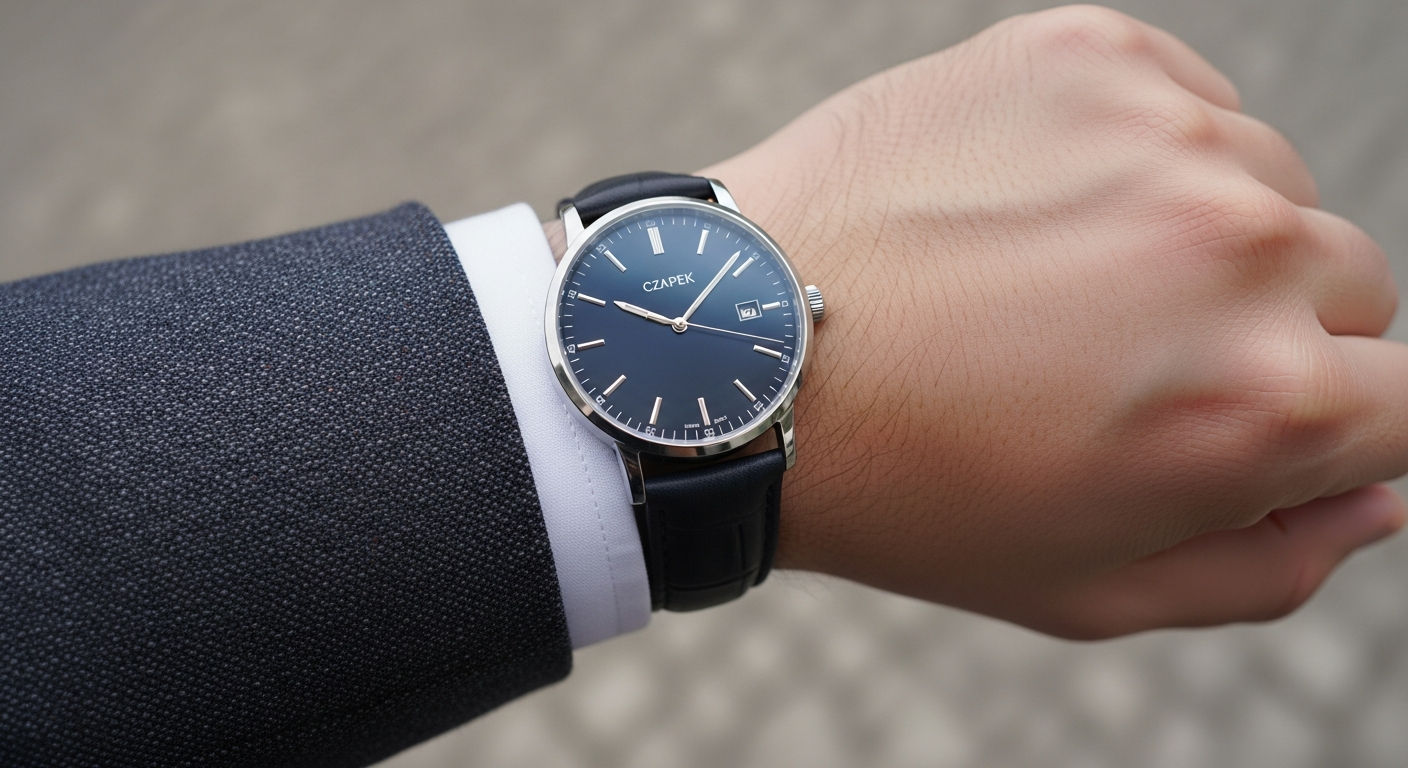
Czapek Watches: The Indie Revival Brand Redefining Luxury Sports-Chic Horology
Czapek is what happens when a historic name isn’t revived as nostalgia, but rebuilt as an operating philosophy: legitimacy without museum stasis, and…
Read the essay ↗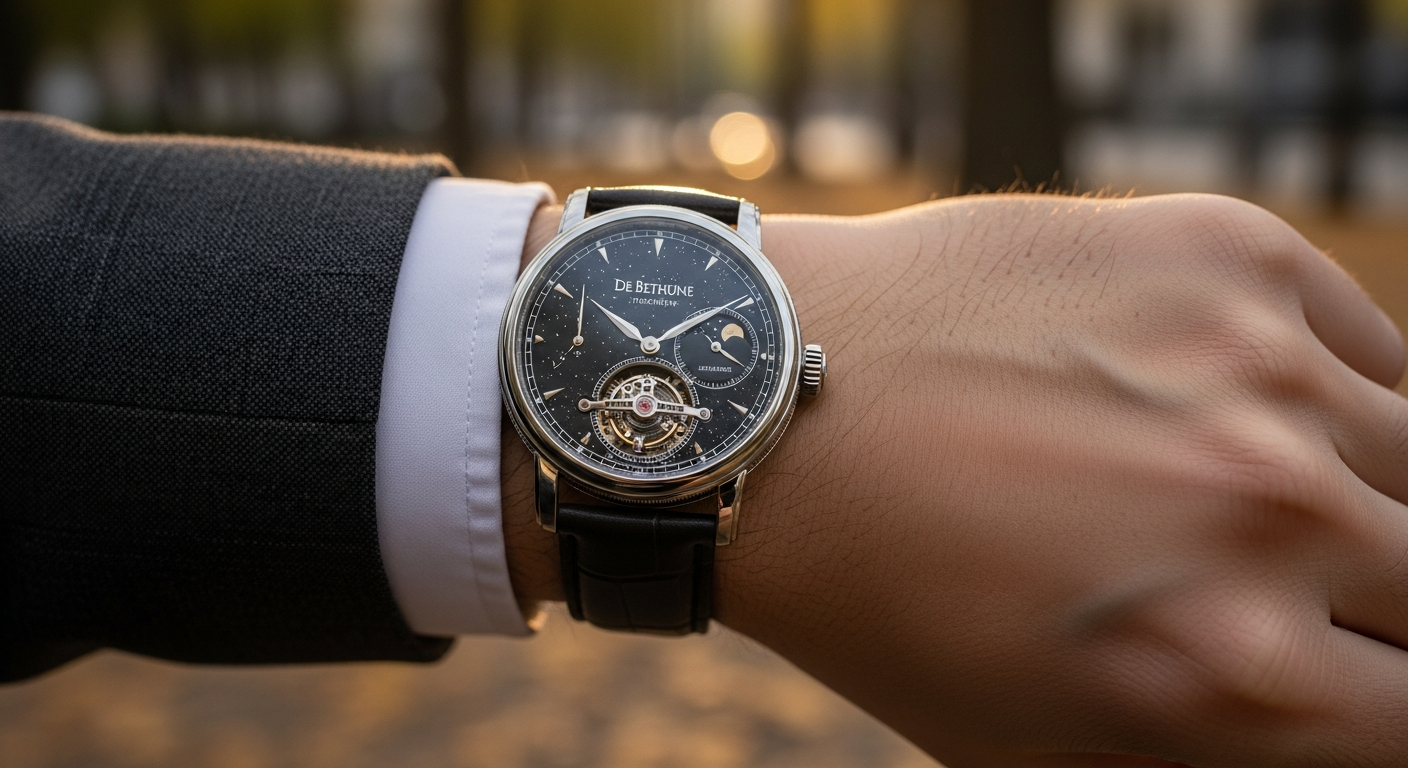
De Bethune: The Independent Watch Brand Turning Astronomical Science Into Modern Haute Horlogerie
Most luxury watch brands sell you a past. De Bethune sells you a horizon—where blued-titanium skies, mirror-polished cases, and moonphases calibrated like instruments…
Read the essay ↗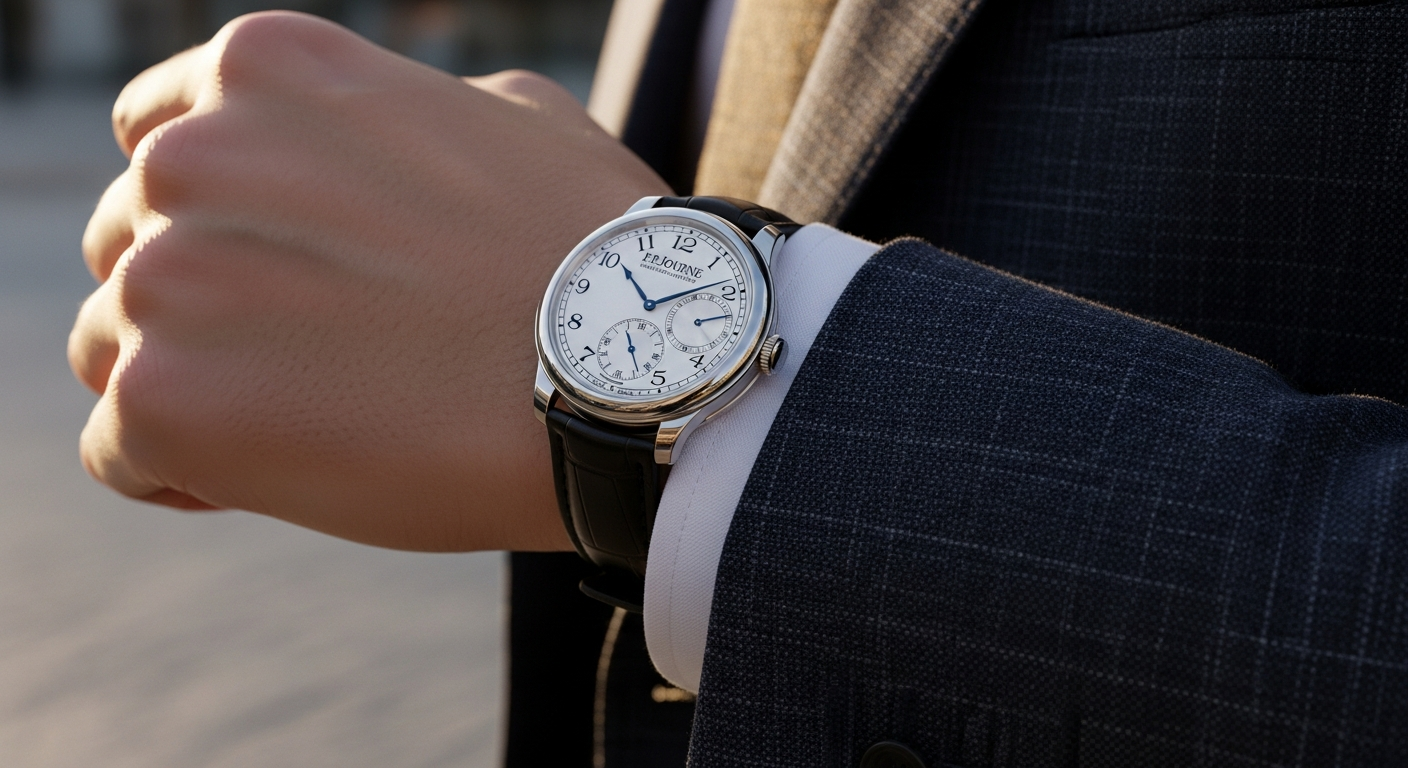
F.P. Journe Explained: Why an Independent Watchmaker Became the New Benchmark for Modern Haute Horlogerie
In a market crowded with limited editions and loud collaborations, F.P. Journe feels almost anachronistic: a brand built on the quiet confidence of…
Read the essay ↗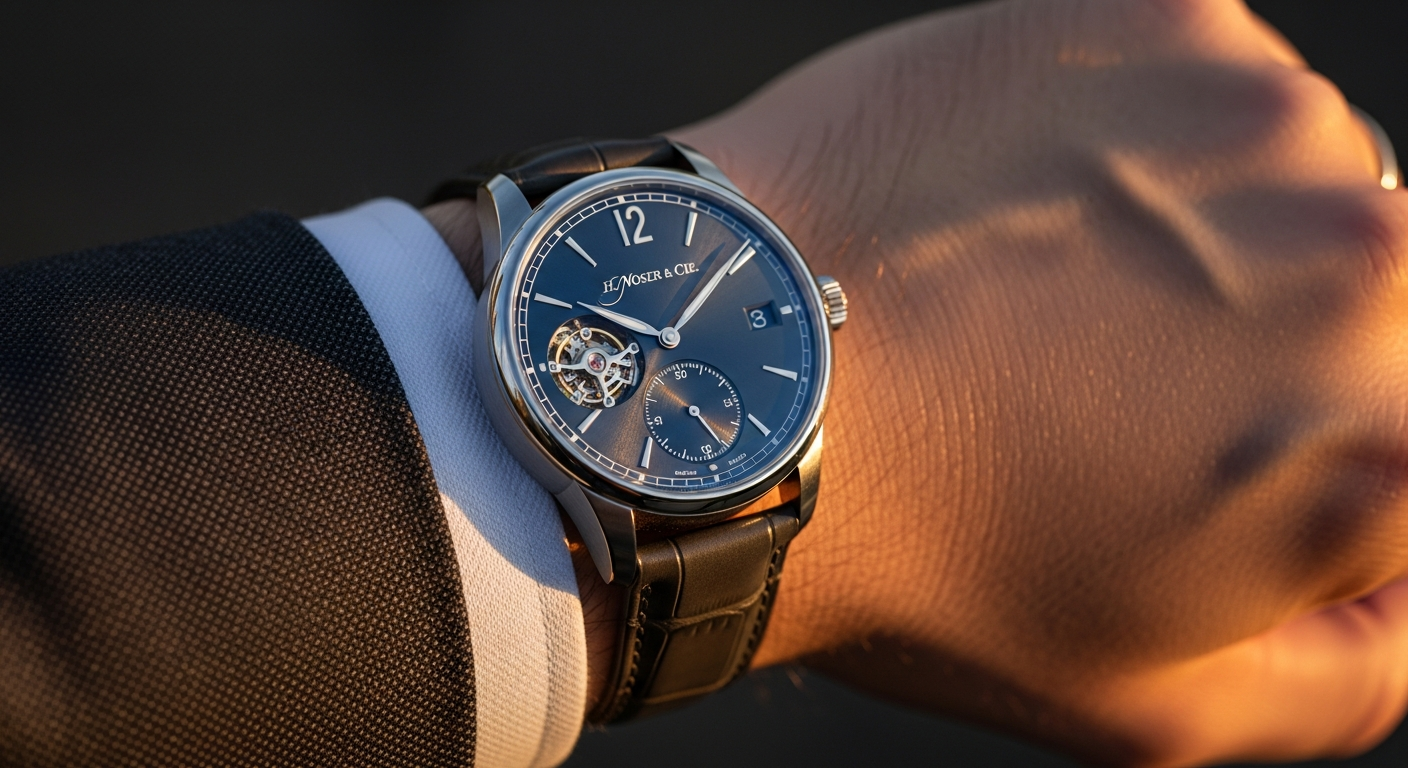
H. Moser & Cie.: The Luxury Watchmaker Turning Minimalism Into a Modern Power Move
In an industry where luxury often shouts—through heritage slogans, aggressive branding, and instantly recognizable silhouettes—H. Moser & Cie. whispers. A near-empty dial, a…
Read the essay ↗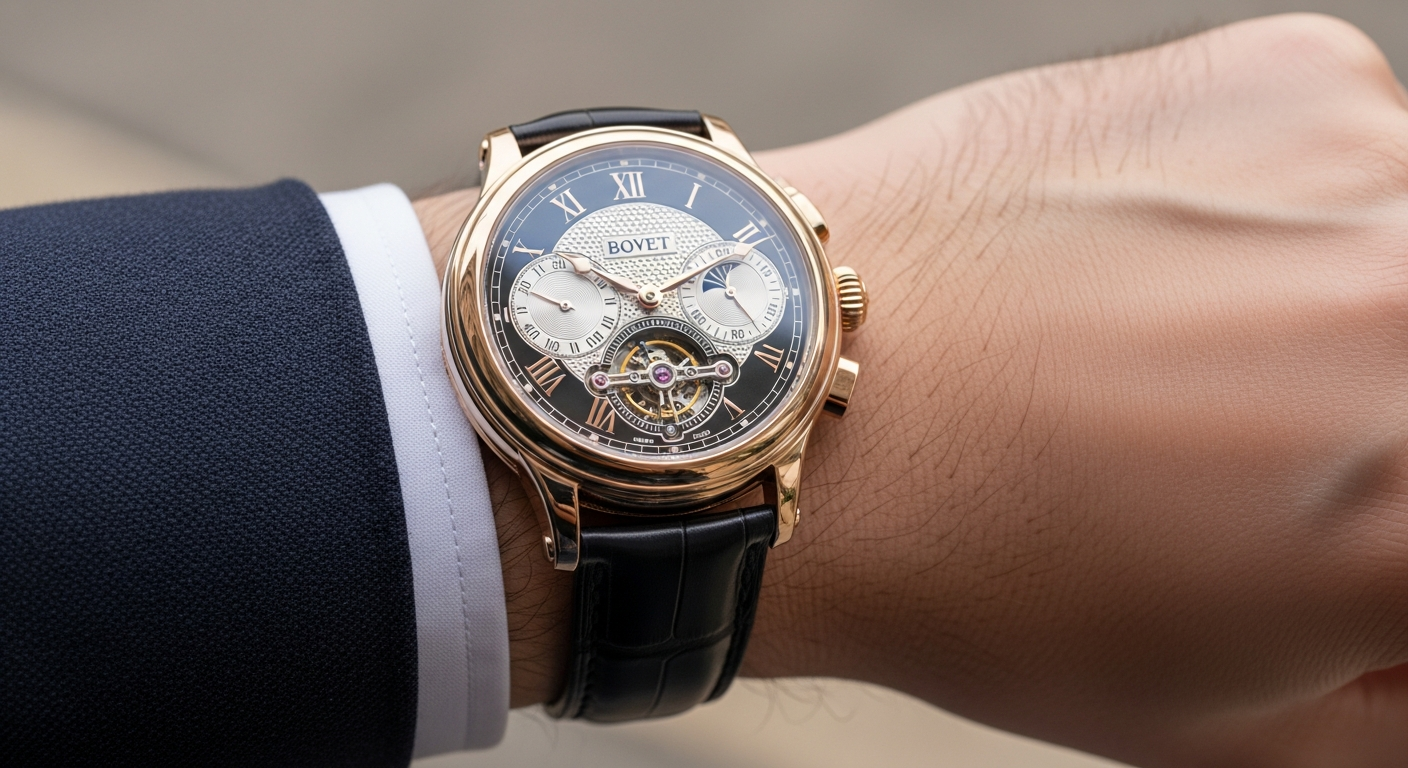
Bovet Watches: The 200-Year Luxury Maison Turning Hand-Finishing Into High-Complication Theater
Bovet doesn’t chase modern luxury’s usual signals—celebrity heat, sports sponsorships, or algorithm-friendly minimalism. Instead, it builds watches like portable objets d’art: movements engineered…
Read the essay ↗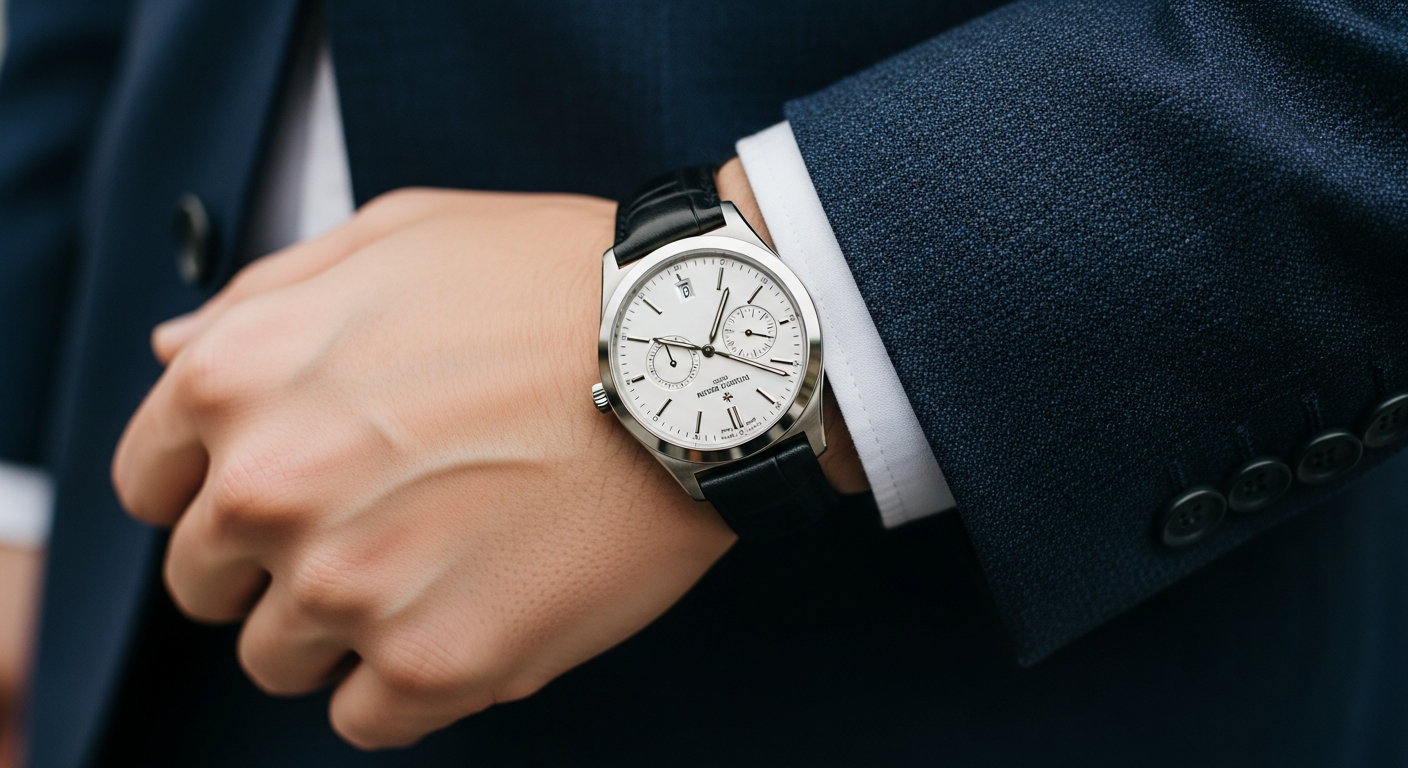
Vacheron Constantin: The Quiet Apex of Swiss Watchmaking—Heritage, High Complications, and Understated Prestige
In a market where hype cycles and waitlists often dictate desirability, Vacheron Constantin operates on a different frequency—less about being seen, more about…
Read the essay ↗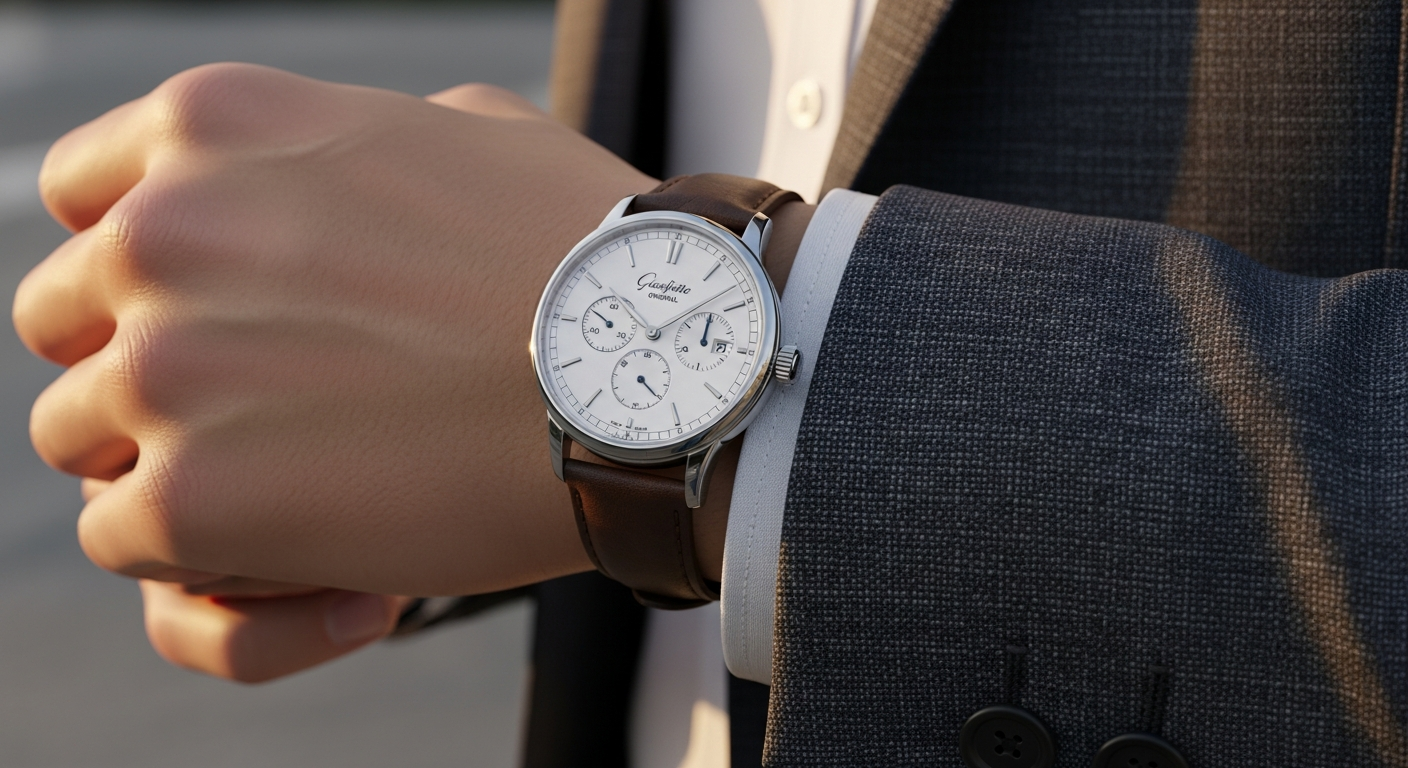
Glashütte Original: German Haute Horlogerie’s Quiet Powerhouse—Why Saxon Craft Now Rivals Switzerland
In a market where heritage is often performed louder than it’s practiced, Glashütte Original wins by speaking softly and machining precisely. From the…
Read the essay ↗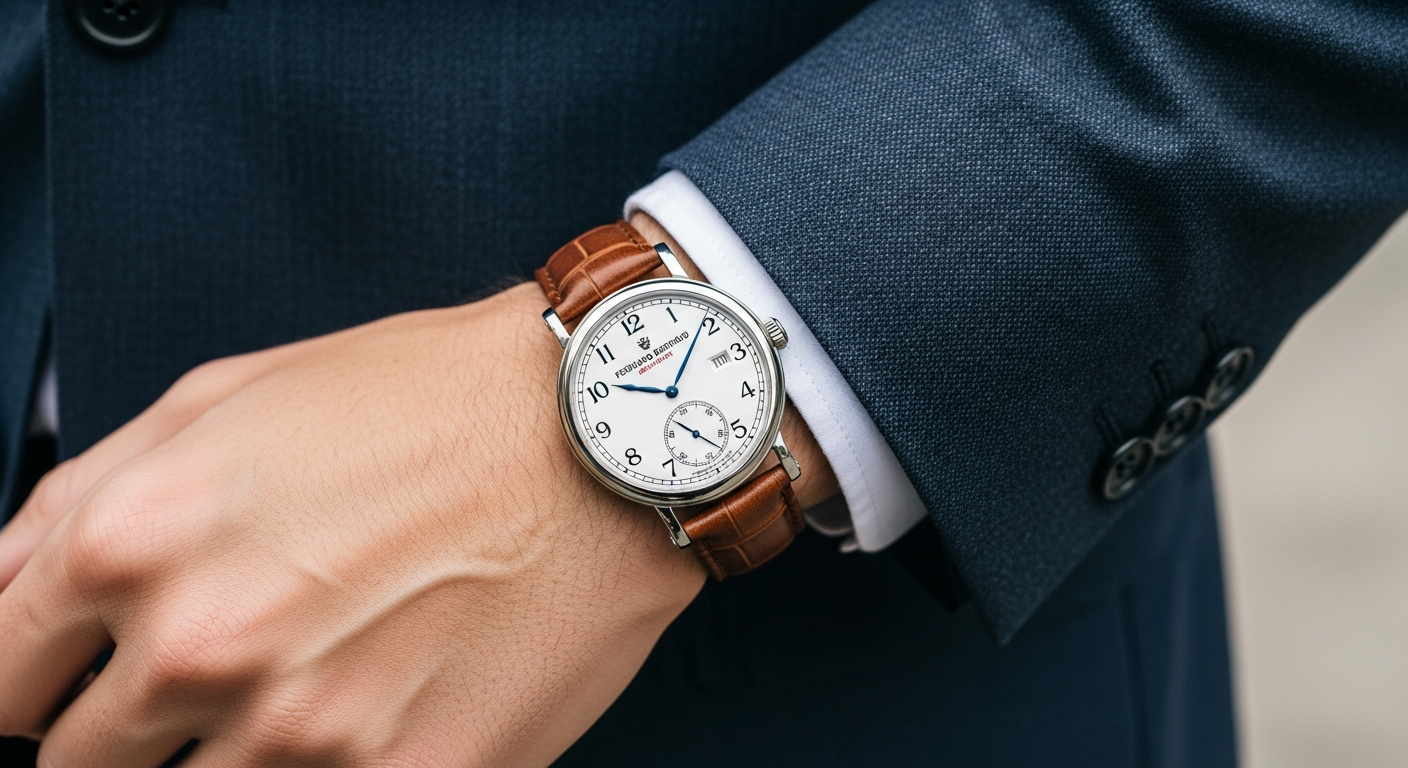
Ferdinand Berthoud Watches: The Luxury Chronometer Brand Rewriting Marine Timekeeping for the Wrist
In a market crowded with “independent” watchmakers chasing novelty, Ferdinand Berthoud feels almost anachronistic—in the best way. Its watches don’t start with a…
Read the essay ↗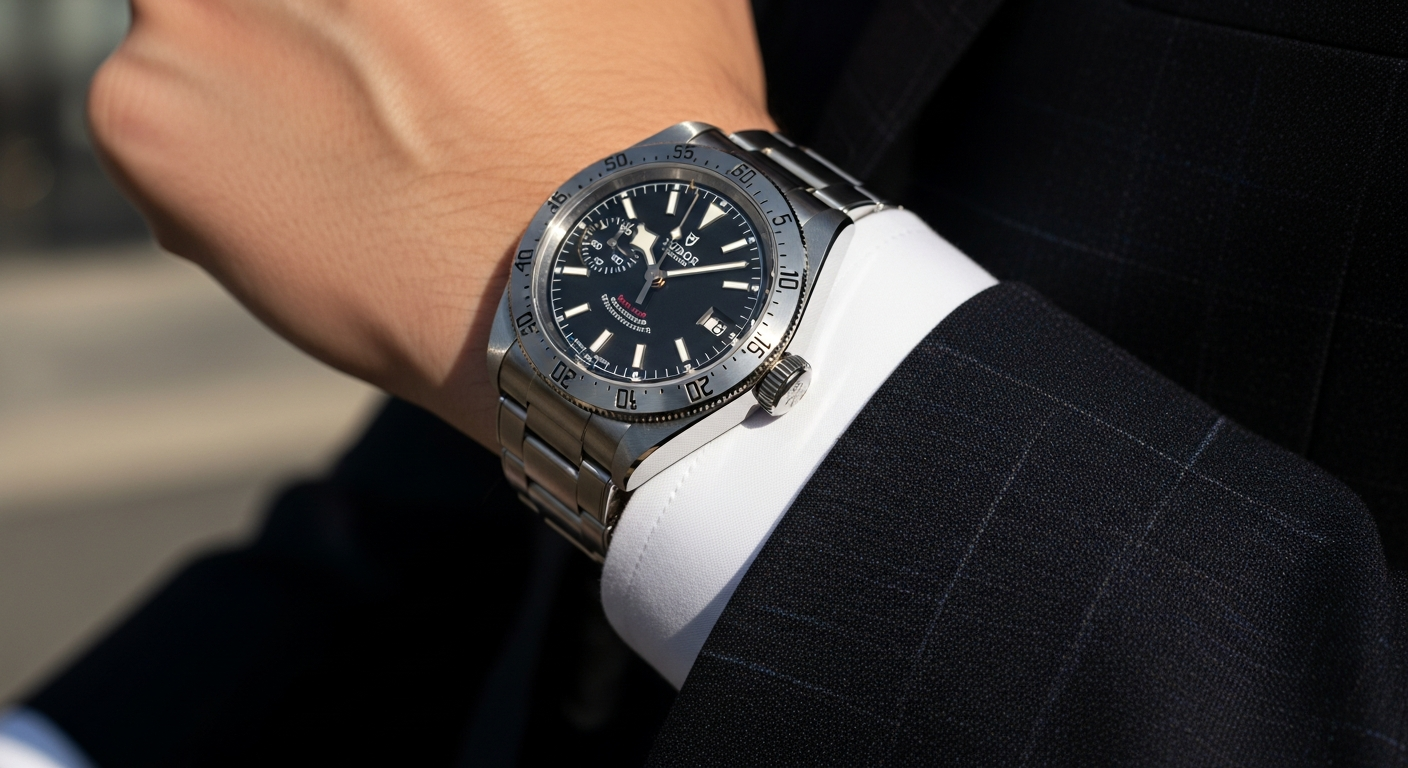
Tudor’s Modern Renaissance: How Rolex’s Sister Brand Became Luxury Watchmaking’s Most Credible Value-Forward Powerhouse
Tudor’s most interesting story isn’t that it’s “Rolex-adjacent”—it’s that it has learned to borrow the right things from its parent (rigor, reliability, industrial…
Read the essay ↗