Czapek Watches: The Indie Revival Brand Redefining Luxury Sports-Chic Horology
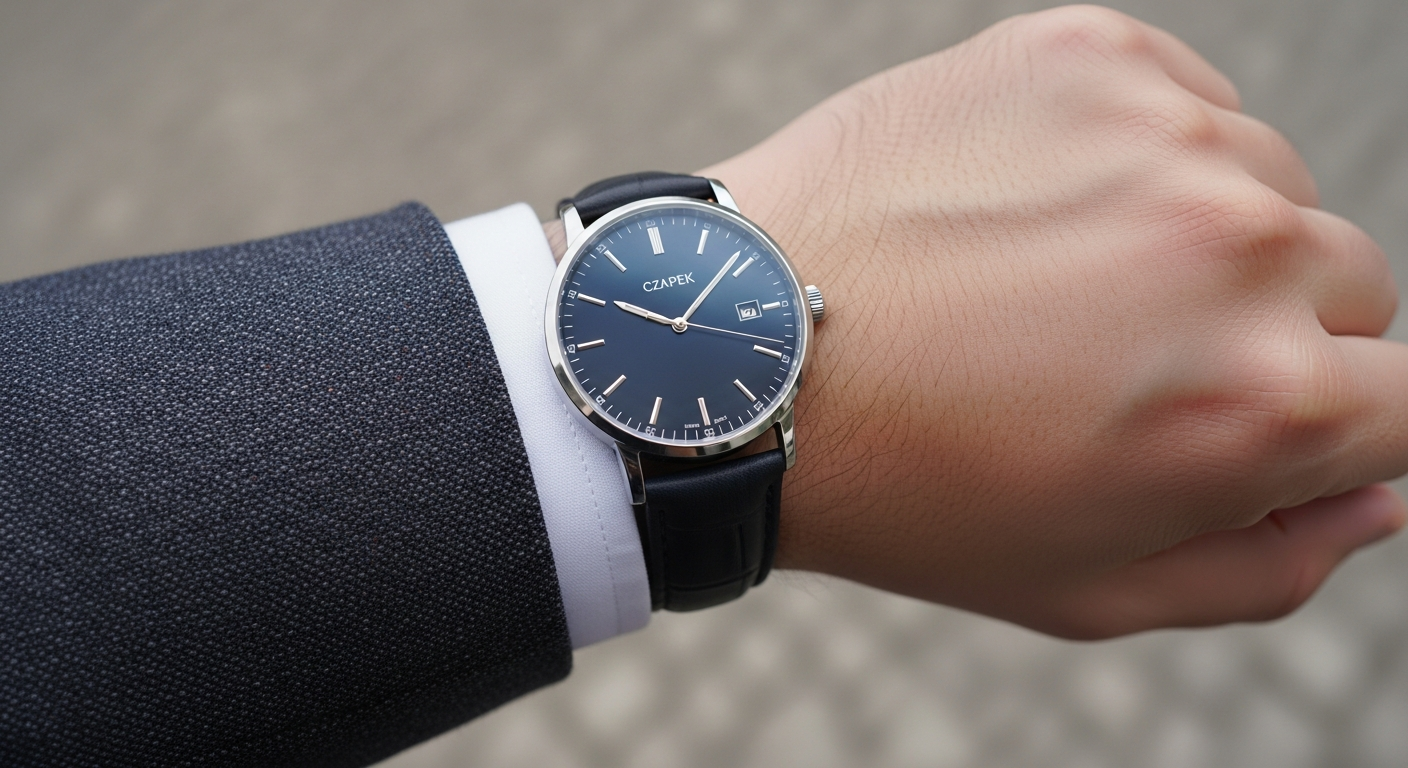
Czapek is what happens when a historic name isn’t revived as nostalgia, but rebuilt as an operating philosophy: legitimacy without museum stasis, and modern design without the blank-slate anonymity that plagues many indies. The brand’s recent trajectory—especially the Antarctique line—shows how an independent can compete in the most crowded luxury segment by marrying haute finishing, sharp industrial design, and an unusually transparent, community-driven business model that turns desirability into durable cultural capital rather than fleeting hype alone.
Heritage as a Working System, Not a Costume
In a market crowded with “reborn” names and carefully curated backstories, Czapek’s most persuasive move has been to treat heritage as a set of constraints and permissions rather than a mood board. François Czapek’s 19th-century watchmaking legitimacy—rooted in the era when precision and finishing were reputational currency—matters not because it offers an archive of shapes to copy, but because it grants the modern enterprise the right to take design risk while still speaking the language of classical credibility.
The brand that exists today is not a linear continuation of a single workshop, and Czapek does not pretend otherwise. Instead, it draws a clear strategic line: history provides a baseline of seriousness, then modern product decisions must earn relevance. This is a useful template for contemporary independent watchmaking, because it resists two common failure modes. The first is museum stasis: watches that look like respectful reproductions, competent but culturally inert. The second is blank-slate novelty: watches that are “modern” only in the sense that they are unmoored from any recognizable watchmaking grammar. Czapek aims for a middle register—recognizable enough to be legible, fresh enough to be debated.
The Community-Backed Model: Collectors as Stakeholders, Not Just Customers
Czapek’s revival is often discussed through the product, but the less visible differentiator is its ownership and communication posture. The brand’s modern incarnation leaned into a community-backed structure that turns collectors into stakeholders and, crucially, into long-term participants. That changes the psychological contract. A typical luxury purchase is a one-way transaction, occasionally dressed up with events and “VIP” language. Czapek’s approach is closer to a small-cap cultural project with a shareholder base that also happens to be the core audience.
This matters because the independent space is brutally sensitive to momentum. A good release can create attention; sustained legitimacy requires repeatable trust. When a brand maintains a credible level of transparency—about development, production realities, and the why behind design decisions—it reduces the volatility that comes with speculation and scarcity chatter. It also recruits a different kind of amplifier. Instead of fans repeating marketing lines, you get informed owners explaining choices, defending finishing, and comparing movements with the confident specificity of people who feel invested in the brand’s trajectory.
There is a strategic restraint in this model. It implicitly discourages the disposable hype cycle: buy, flip, move on. If owners view themselves as part of the brand’s long game, desirability can accumulate into something more durable: cultural capital grounded in product satisfaction and credible watchmaking, not just availability drama.
Antarctique: A Modern Luxury Sports Watch That Refuses to Apologize
The Antarctique line is where Czapek stops being “a revived name” and becomes a contemporary design actor. The segment it enters is the most competitive in modern watchmaking: integrated-bracelet sports-chic luxury, a category thick with icons, prestige incumbents, and an ecosystem of high-end alternatives chasing the same silhouettes. Many entrants fail by leaning too hard into homage cues or by overcorrecting into contrarian awkwardness. Antarctique’s success is that it feels designed rather than derived.
The case and bracelet architecture sits comfortably within the genre’s expectations—thin(ish) profile, a confident stance on the wrist, strong transitions between brushed and polished surfaces—yet it avoids looking like a traced outline of someone else’s hero product. The bracelet integration is purposeful: not a bolt-on aesthetic, but a structural continuation that supports the watch’s industrial character. The overall effect is sports-chic without the timid politeness that sometimes plagues independents trying to appear “safe” in a high-ticket category.
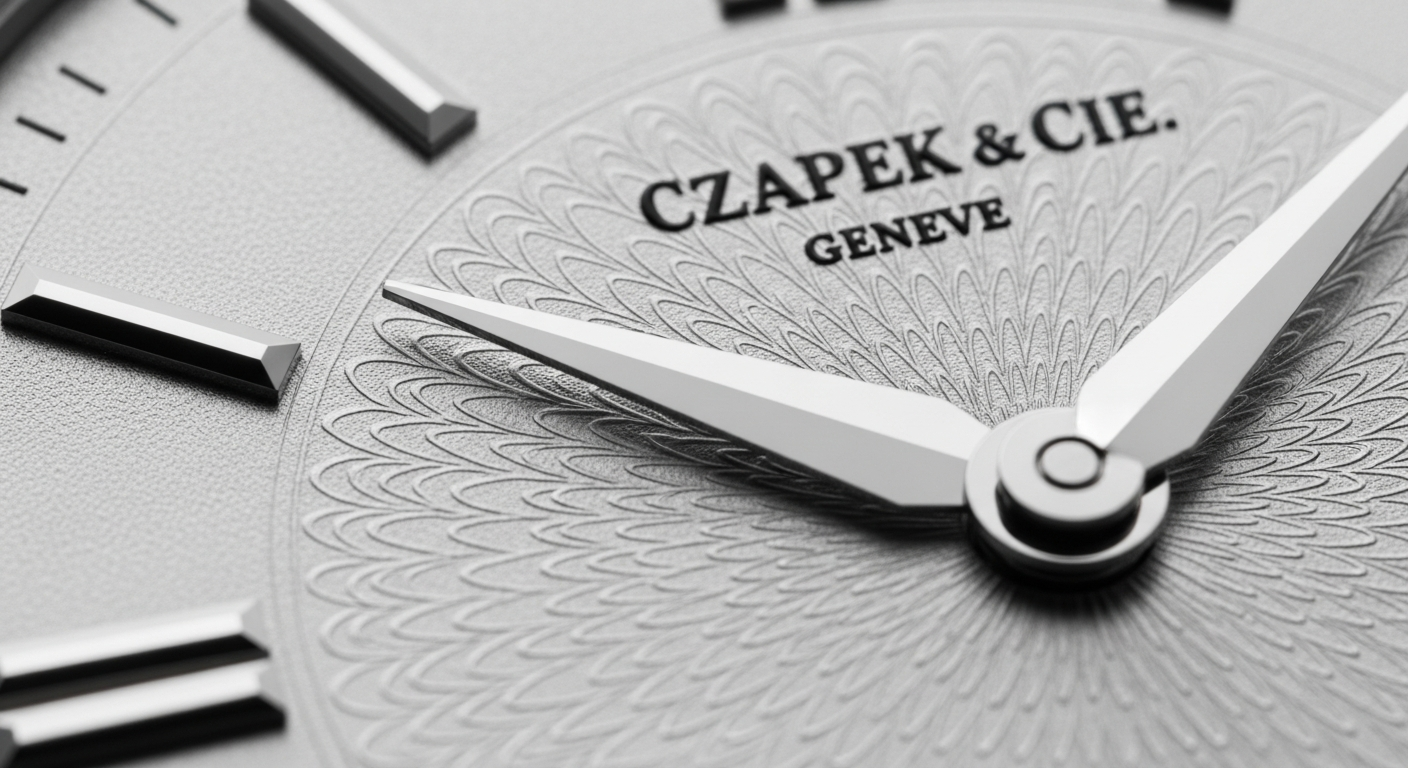
Dial execution is where Czapek signals ambition. The brand understands that in this segment, the dial must do more than decorate. It must carry identity at a glance from across a room, then reward scrutiny at 20 centimeters. Textures and patterns are deployed as brand language rather than seasonal fashion. The better Antarctique references balance crisp legibility with enough micro-structure to make the watch feel alive under changing light—an important trait for a daily-wear luxury sports piece, where you expect constant visual engagement.
Finishing as Proof: Where Indie Credibility Is Won or Lost
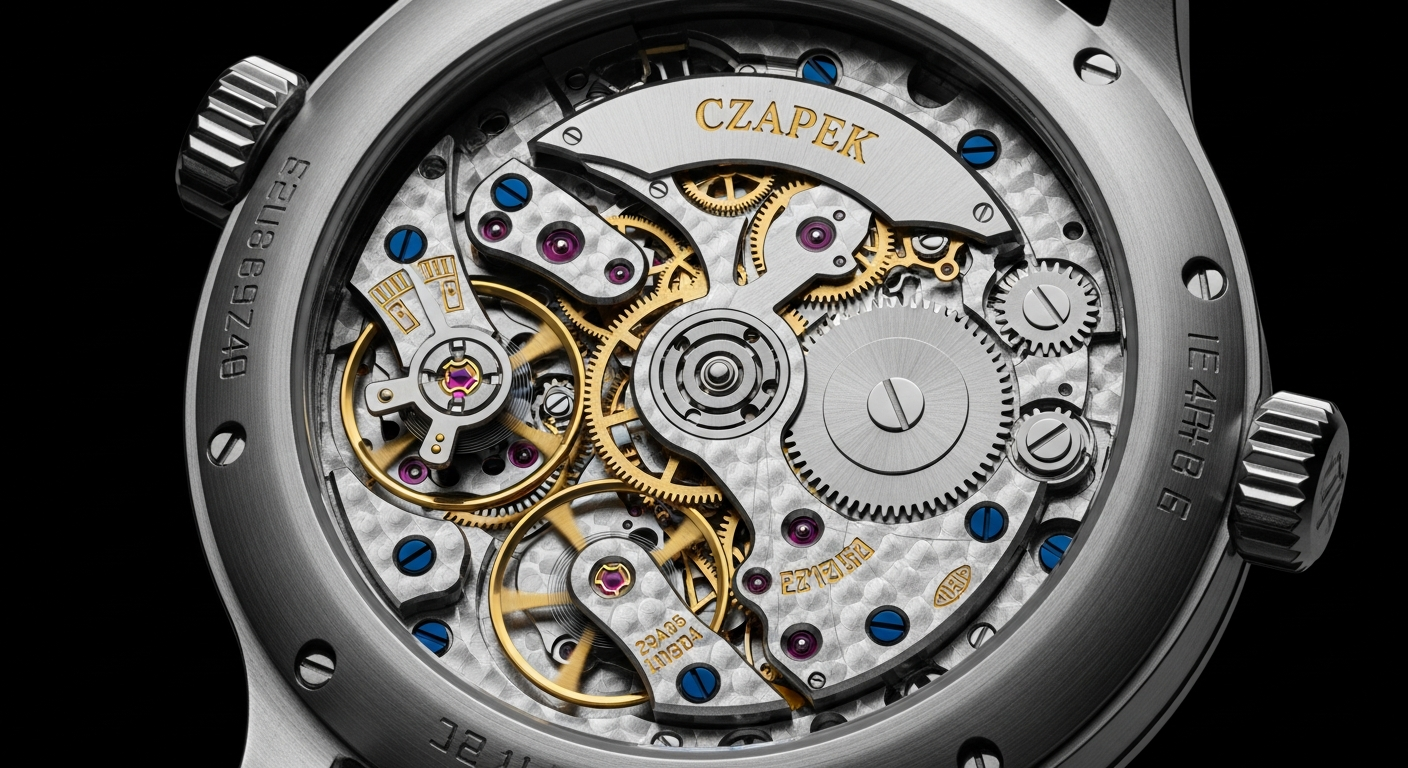
In the modern independent landscape, “haute finishing” is an easily claimed phrase and a difficult reality. Czapek’s opportunity has been to treat finishing not as a checkbox, but as a central argument for why the brand belongs in the same conversations as larger, more historically continuous houses. The key is coherence: finishing quality must align with design intent, and movement aesthetics must match the confidence of the exterior.
Czapek has positioned its calibres to satisfy both the pragmatic and the romantic. Pragmatically, performance and serviceability must be credible for a watch intended as a regular wearer. Romantically, the movement must justify the act of turning the watch over—because at these prices and in this category, the owner is buying a complete object, not a dial with a mechanism attached. The brand’s visible emphasis on architecture, surface treatment, and crisp detailing communicates that it understands what advanced collectors actually evaluate: not only whether something is decorated, but whether it is decorated with taste, restraint, and technical competence.
This is where heritage becomes a living creative system. If Czapek’s 19th-century origin is to mean anything today, it must translate into contemporary standards of finishing discipline. Not “vintage-style” finishing, but finishing that feels like a modern interpretation of old-world seriousness.
Design Risk with Historical Permission
Czapek’s balancing act is subtle. The brand benefits from historical legitimacy, but it cannot lean on it to excuse conservative design. Instead, it uses that legitimacy as permission to be modern without seeming unmoored. This is particularly visible in how the brand handles proportion and detail. Many independents either fetishize classical proportions to the point of fragility, or they inflate modern cases to broadcast “presence.” Czapek tends to sit in a more disciplined middle: sporty but not bloated, contemporary but not aggressive for its own sake.
That discipline is strategic. In luxury sports-chic, the watch competes as an everyday object. It must look appropriate with a jacket and also with a T-shirt, endure close scrutiny from enthusiasts, and remain comfortable enough to justify wrist time versus any incumbent icon. A design that is too loud ages quickly; a design that is too generic loses to better-known names. Czapek’s answer has been to build a recognizable visual identity through repeated cues—case geometry, dial language, finishing contrasts—without repeating itself into monotony.
How Czapek Competes in the Crowded Middle of the High End
The most interesting strategic aspect of Czapek is where it chooses to fight. It does not attempt to “out-myth” the myth brands, and it does not retreat into ultra-esoteric, made-to-order obscurity. Instead, it competes in the crowded middle of the high end: the zone where buyers are aware of the canon, hungry for differentiation, but unwilling to compromise on finishing, reliability, and daily-wear practicality.
That is a narrow path. To succeed there, a brand must offer tangible product superiority in at least one domain while being broadly competent in all others. Czapek’s playbook appears to be threefold. First, deliver exterior design crispness that reads as contemporary luxury, not indie improvisation. Second, sustain movement and finishing credibility that withstands collector-level inspection. Third, cultivate a ownership narrative that is participatory rather than purely transactional.
This is also where the community-backed model becomes more than a feel-good story. In a segment where buyers may already own the usual icons, the decision is often less about “Is this good?” and more about “Is this meaningful?” Czapek makes meaning by inviting collectors into the brand’s continuity. That continuity is not inherited by default; it is built, release by release, through a relationship with an engaged base that cares about the decisions, not just the outcomes.
Durable Cultural Capital vs. Disposable Hype
Luxury watch culture is currently split between two kinds of desirability. One is liquidity-driven: the watch as a tradable object, validated by secondary prices and attention spikes. The other is satisfaction-driven: the watch as a long-term companion, validated by how it wears, how it looks over years, and how it ages into personal meaning. Czapek’s best chance at longevity is to keep converting the first type into the second.
The Antarctique could easily have become a pure hype vehicle, because the category invites it. But the brand’s emphasis on finishing and product integrity pushes ownership discussion away from mere scarcity. When collectors talk about bracelet feel, dial execution, movement architecture, and case finishing—not just waitlists—that is how cultural capital becomes durable. It is slower and less sensational, but it is far more resilient.
The brand must still navigate the risk that all sports-chic independents face: being perceived as an “alternative to” rather than an object with its own primary appeal. The antidote is continued clarity of design language and continued seriousness of execution. If Czapek can keep making watches that are chosen for themselves, not chosen because someone couldn’t get something else, the brand’s current trajectory becomes structural rather than cyclical.
What Czapek’s Trajectory Signals for Modern Independent Watchmaking
Czapek functions as a case study because it demonstrates a practical way to make heritage productive. The 19th-century name provides legitimacy, but legitimacy alone does not create desire. Desire is created by modern design risk executed with industrial sharpness and backed by finishing that can withstand scrutiny. Then, instead of letting that desire burn off in a short attention cycle, the brand’s community-driven posture turns collectors into stakeholders who help stabilize the narrative and amplify it credibly.
Strategically, this is the opposite of nostalgia. It is heritage used as a framework: a set of standards and a right to participate in a high-end conversation, not a script to follow. The Antarctique line shows the most visible result of that framework—Czapek competing where the market is loudest—while the brand’s underlying model suggests how an independent can build longevity without becoming either a museum or a meme.
If Czapek continues to treat transparency as a discipline, finishing as proof, and design as identity rather than decoration, it will remain one of the more instructive examples of how modern independent watchmaking can turn a historic name into a living creative system. In a segment that rewards icons and punishes the forgettable, that may be the most valuable form of luxury available: recognizability earned, not inherited.