

Independent Horology · Perspectives
Perspectives
Structural analysis of horology — brand positioning, market cycles, and the craft–commerce tension.
The collection · 113 essays

Baltic Watches: How a French Microbrand Turned Vintage Restraint into a Modern Strategy
Baltic is the rare young watch brand whose most important asset is not a movement,...
Read the essay ↗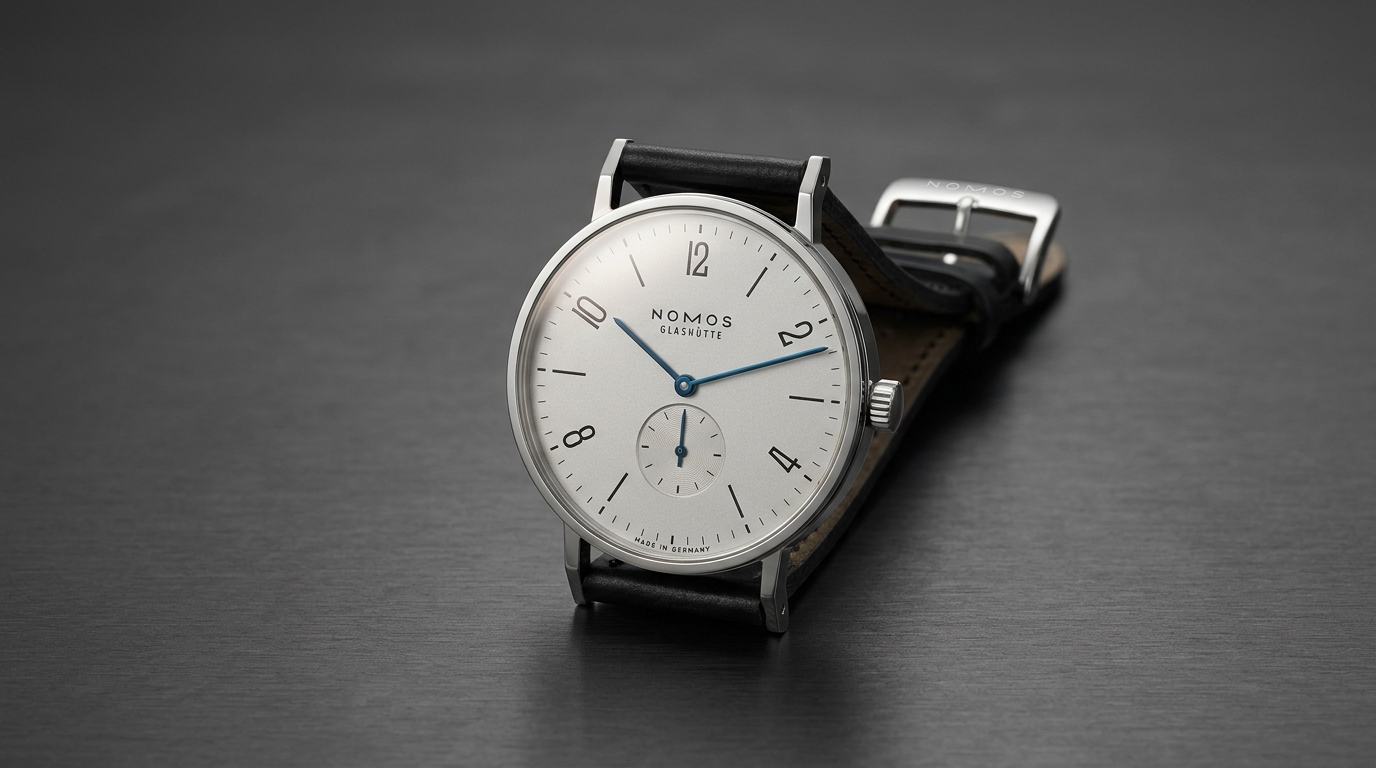
Nomos Glashütte: The Independent German Watchmaker That Made Restraint a Business Model
Nomos Glashütte is often reduced to a neat phrase: the Bauhaus watchmaker from Germany. That description...
Read the essay ↗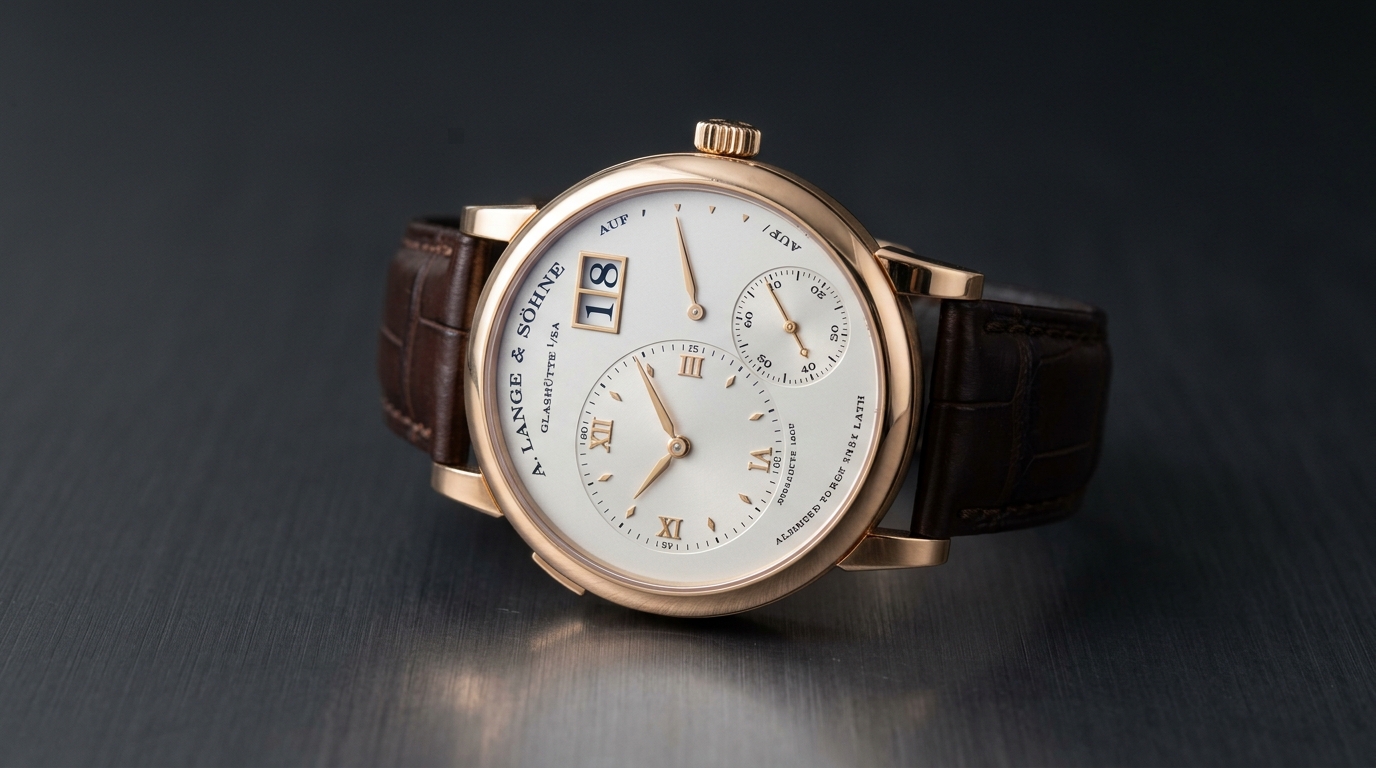
A. Lange & Söhne: The Strategic Discipline Behind Glashütte’s Most Important Modern Watchmaker
A. Lange & Söhne is often discussed as if it were an uninterrupted nineteenth-century institution....
Read the essay ↗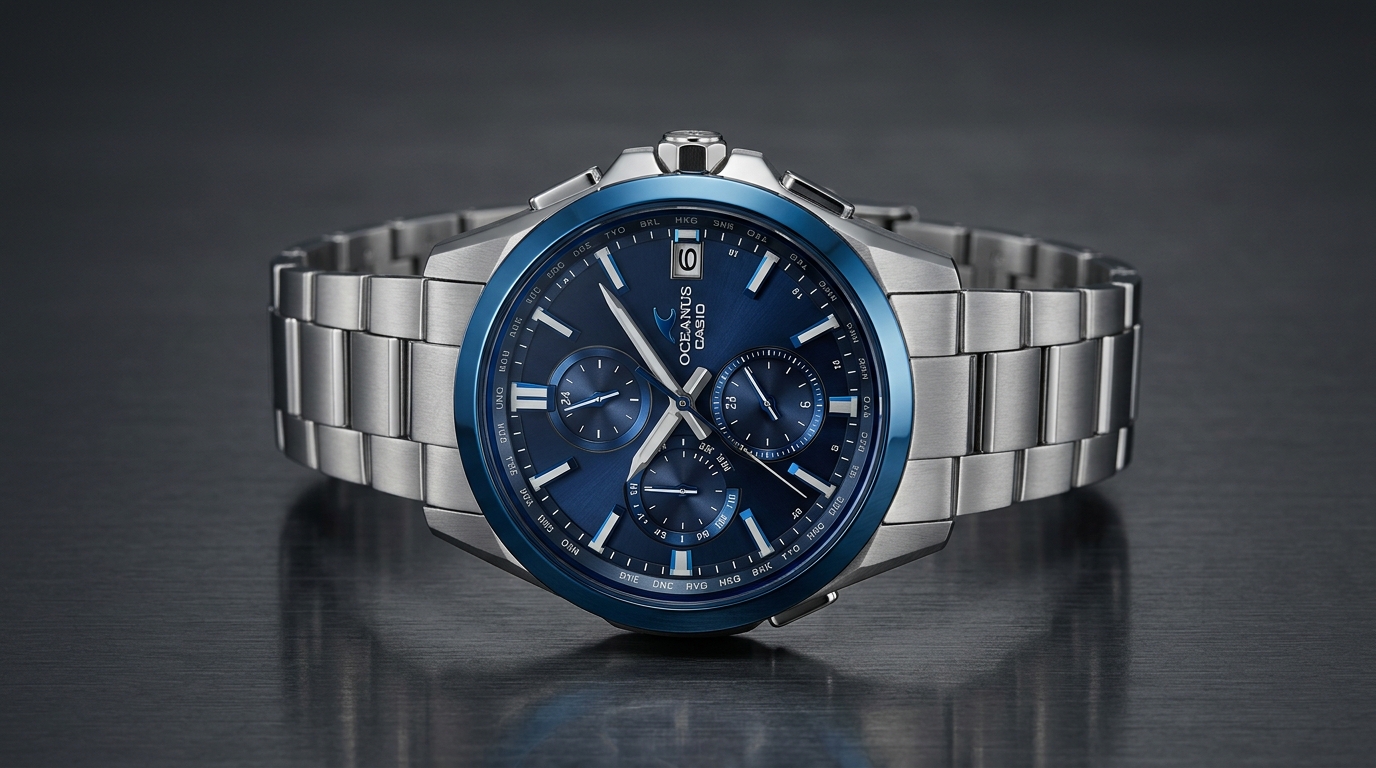
Casio Watches: The Japanese Powerhouse That Made Accuracy the Baseline
The most disruptive watch company of the late twentieth century was not Swiss, not mechanical, and not trying...
Read the essay ↗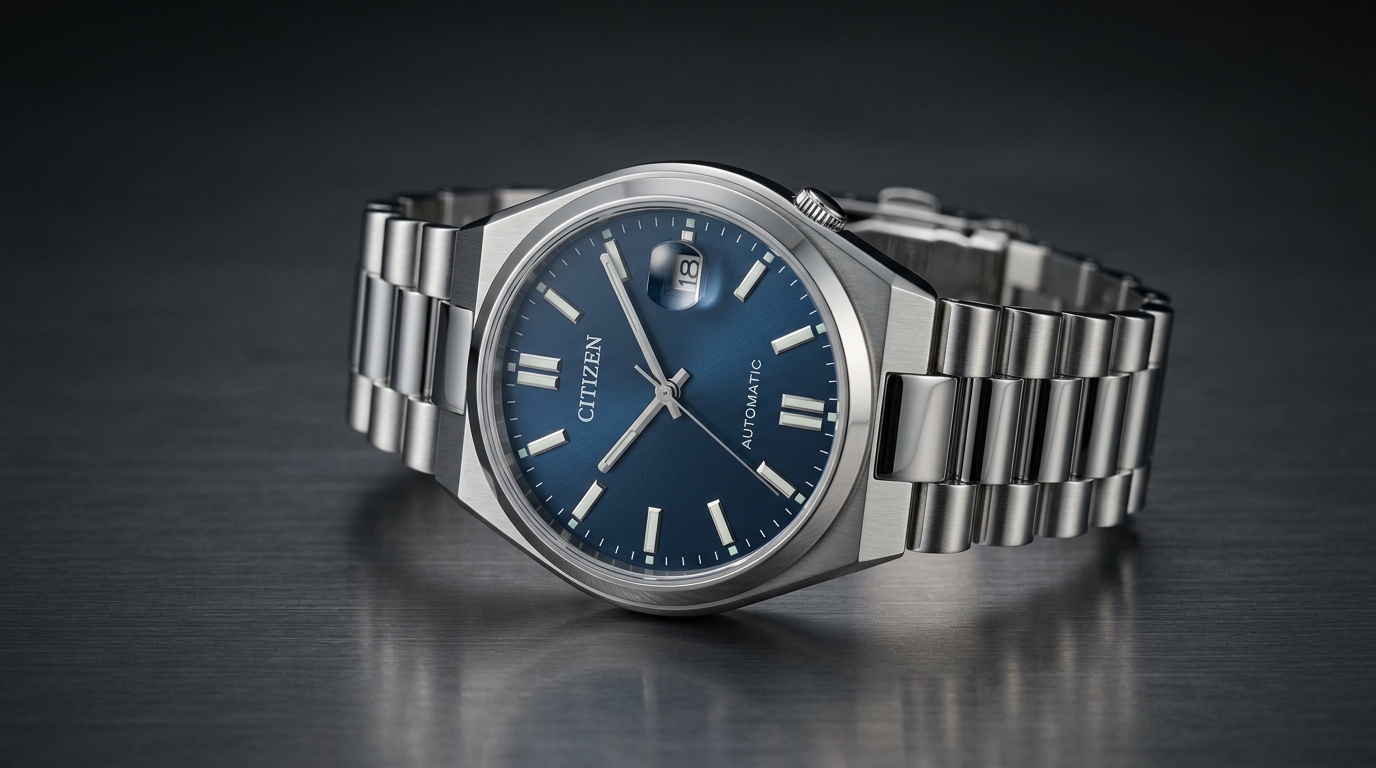
Citizen Watches: Why Japan’s Most Industrial Watchmaker Is Still Misread by Collectors
Citizen is not difficult to understand because its watches are obscure. It is difficult to understand...
Read the essay ↗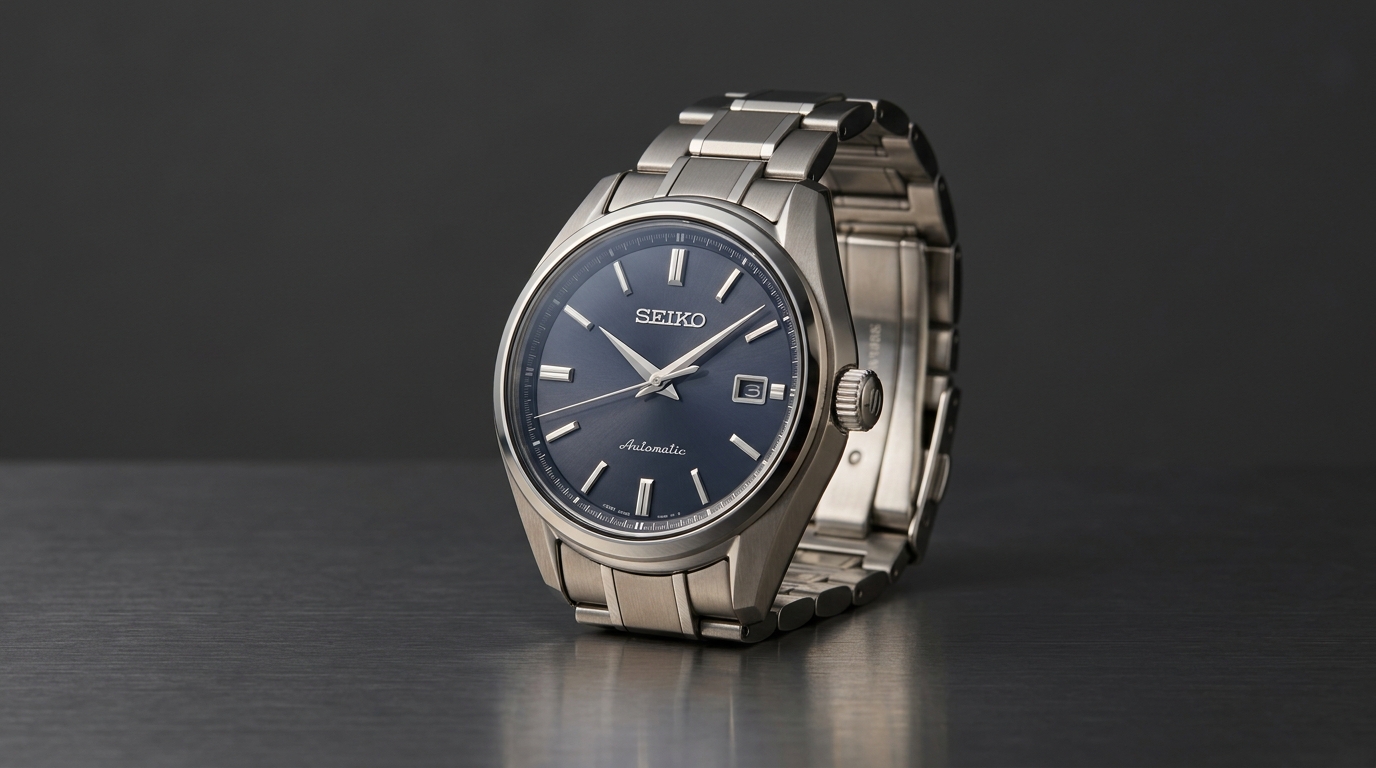
Seiko: The Great Vertical Watchmaker at a Strategic Crossroads
Seiko is the rare watch company whose cheapest credible mechanical watch and most technically sophisticated luxury watches can be...
Read the essay ↗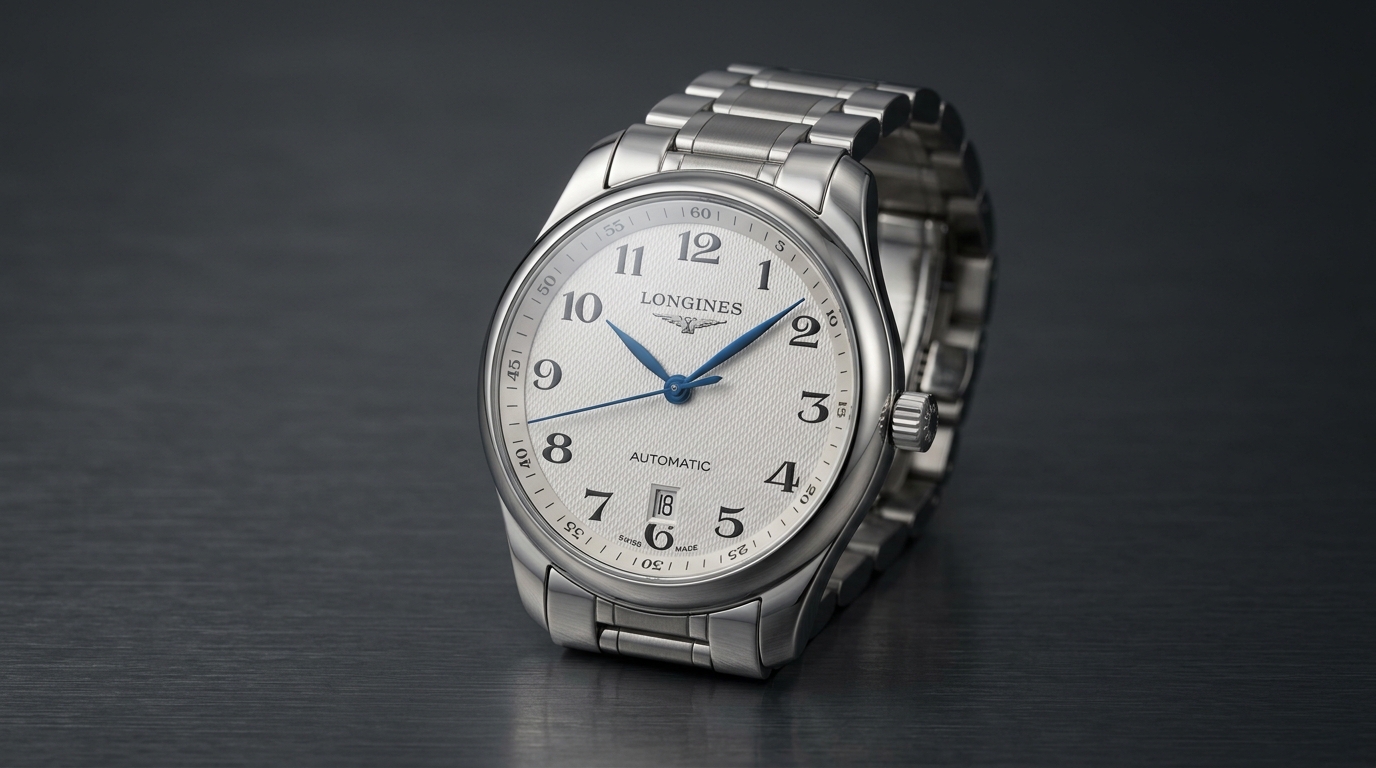
Longines: The Most Important Watch Brand That Still Refuses to Behave Like a Luxury Brand
Longines occupies one of the strangest positions in modern watchmaking: it has more...
Read the essay ↗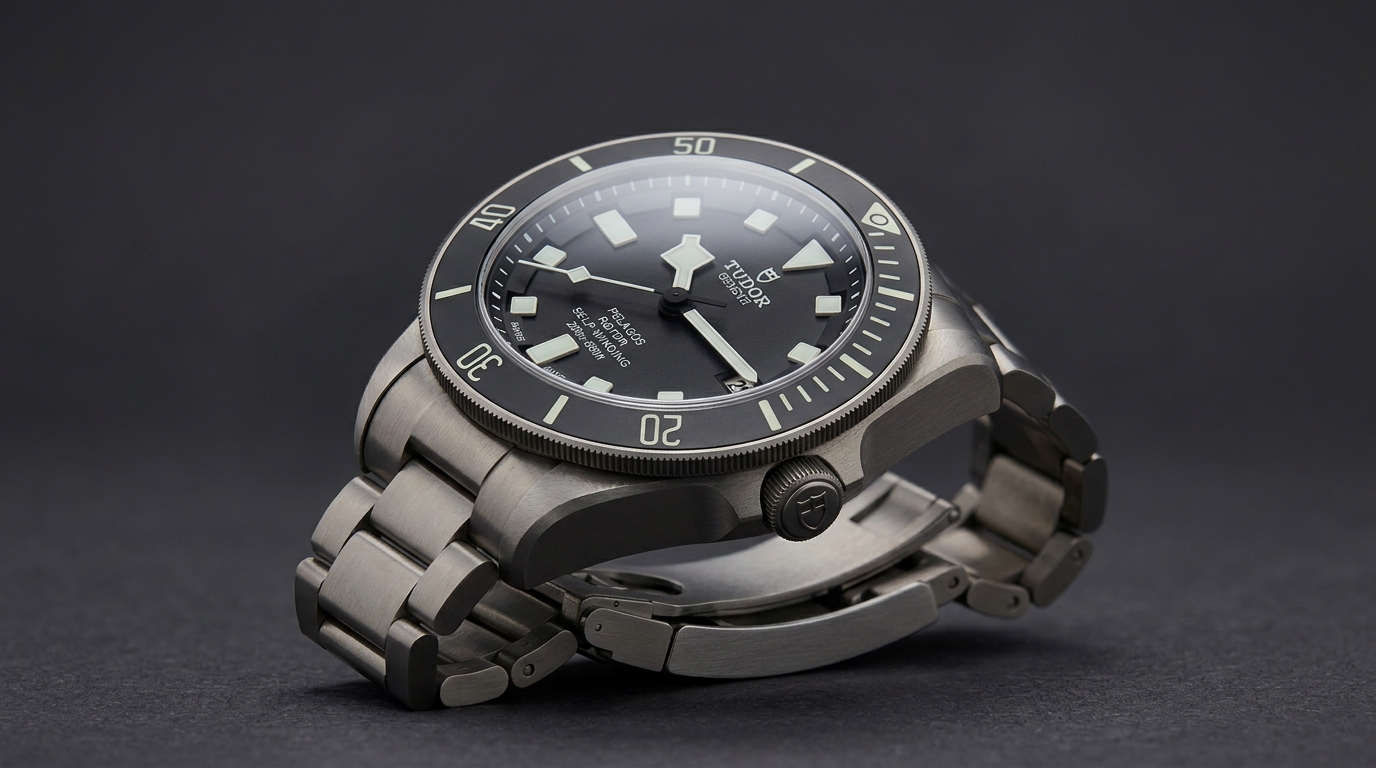
Tudor Watches: The Strategic Rise of Rolex’s Most Independent Shadow
Tudor is no longer convincing collectors that it is more than “the affordable Rolex.” That argument has effectively...
Read the essay ↗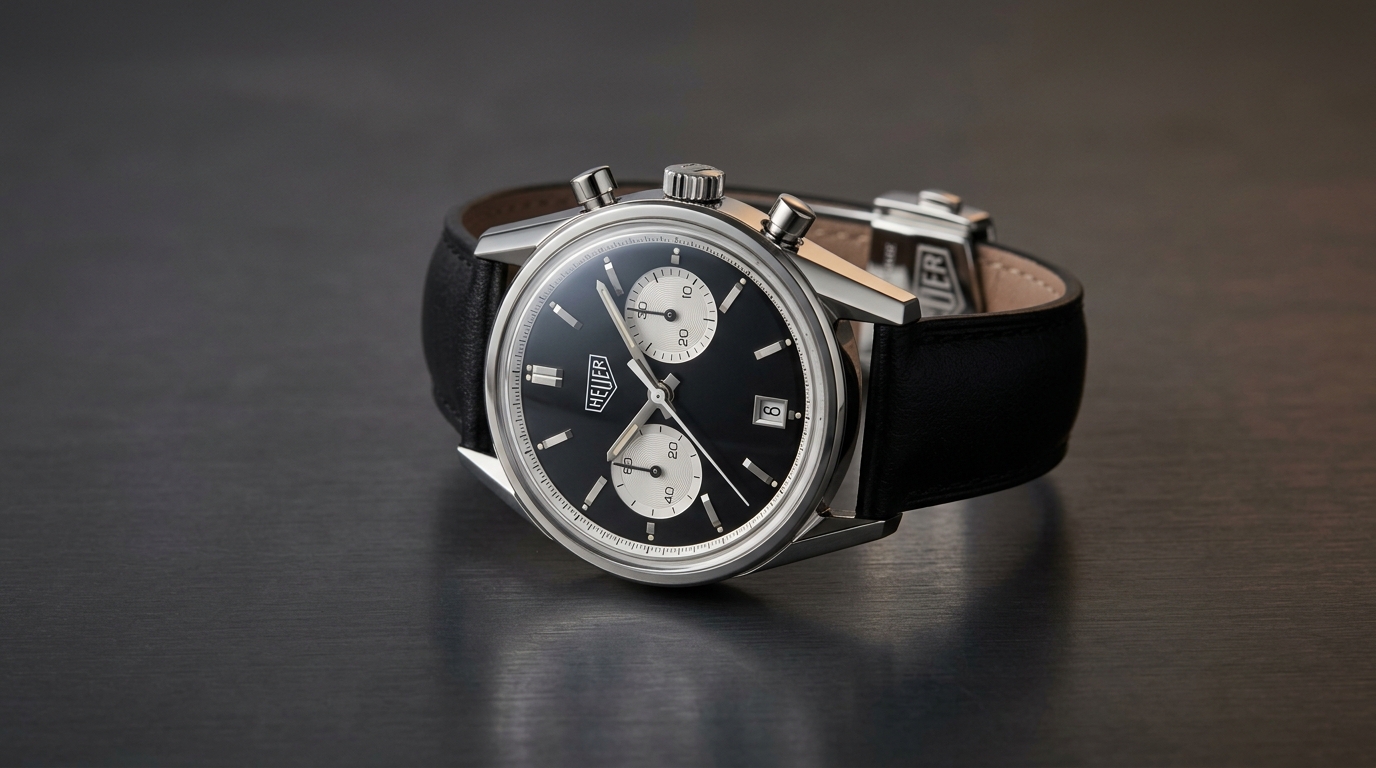
TAG Heuer: The Strategic Rehabilitation of Swiss Watchmaking’s Most Misunderstood Sports Brand
TAG Heuer is strongest when it stops trying to look like a miniature version of the...
Read the essay ↗
Cartier Watches: The Strategic Power of Shape Over Specification
Cartier is the watch brand collectors often underestimate for exactly the reason the market has learned to reward it:...
Read the essay ↗