
Independent Horology · Perspectives
Perspectives
Structural analysis of horology — brand positioning, market cycles, and the craft–commerce tension.
The collection · 113 essays
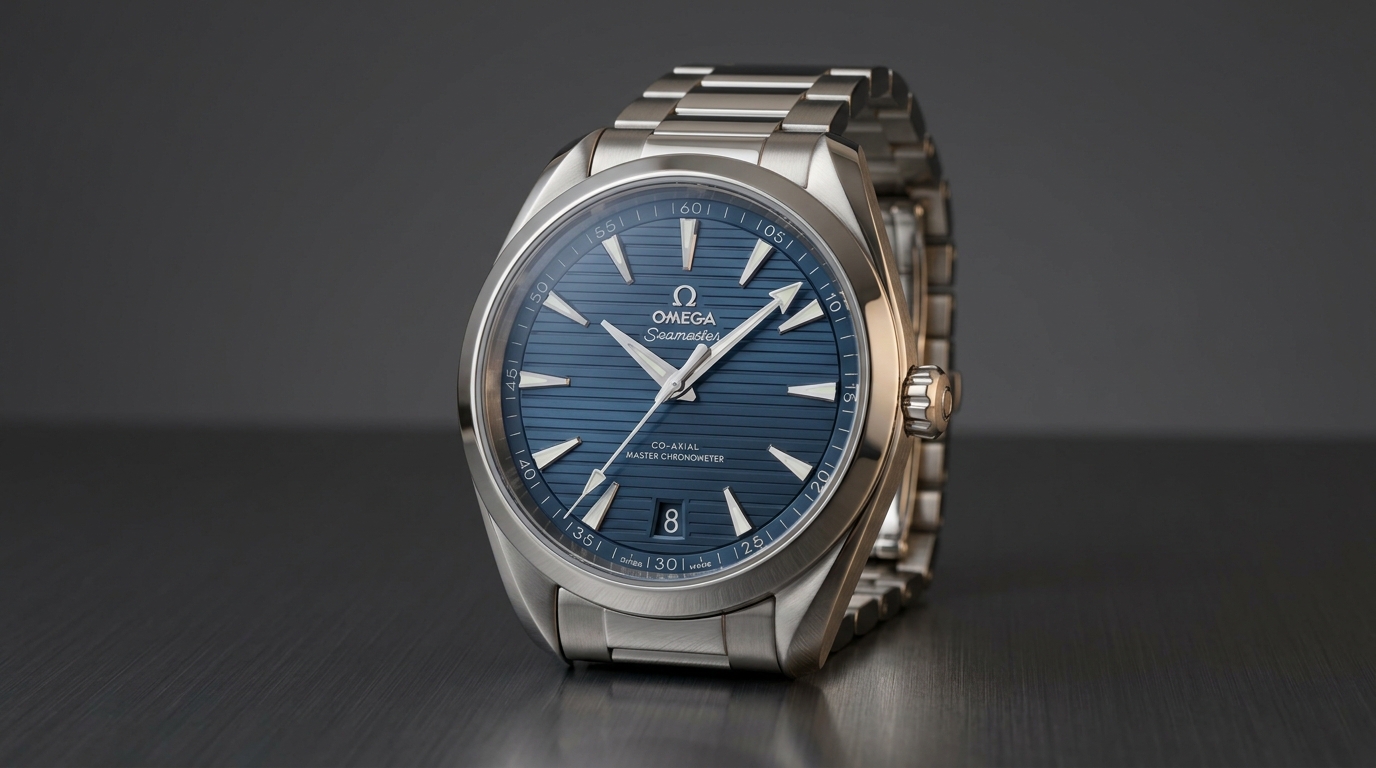
Omega Watches: The Strategic Power of Being Second to None
Omega is often discussed through the wrong lens. Treating it as Rolex’s permanent understudy misses the more interesting...
Read the essay ↗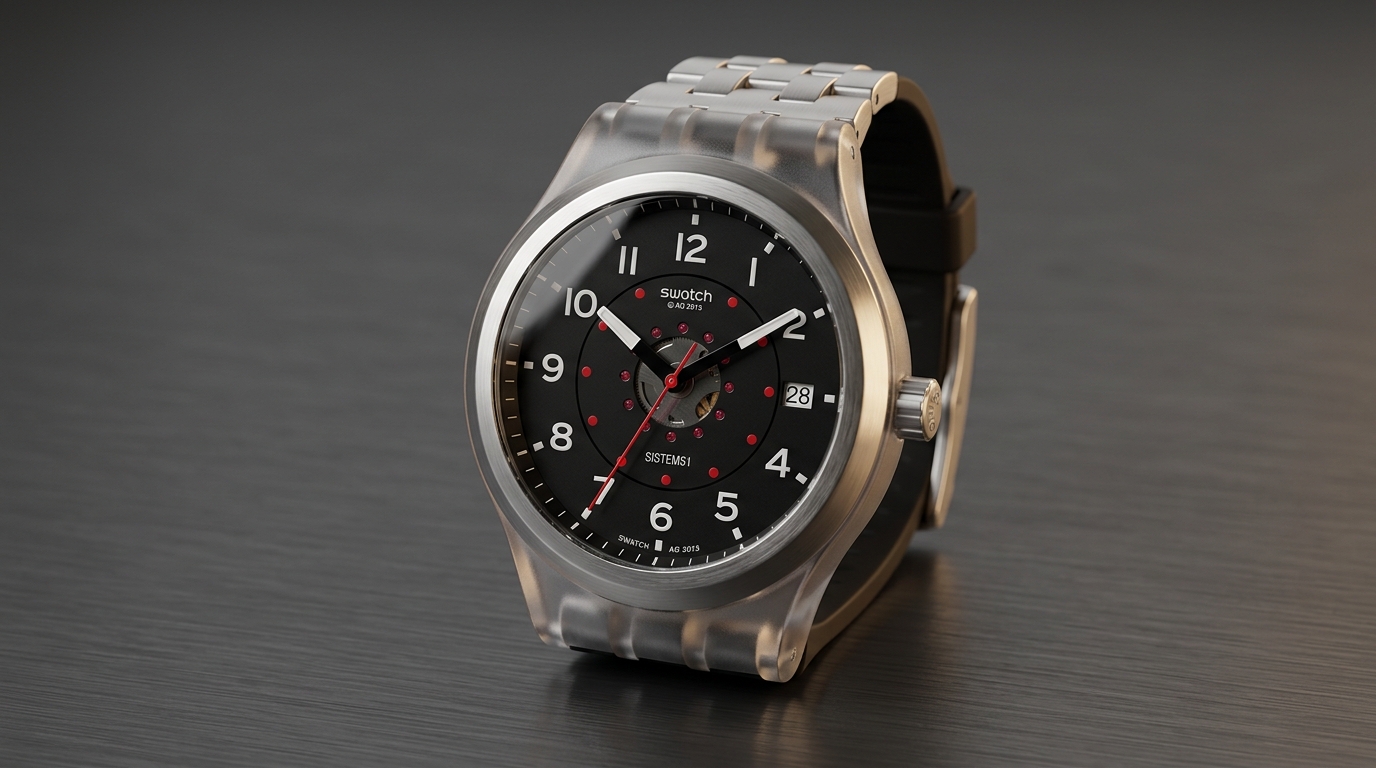
Swatch: The Plastic Watch That Still Controls Swiss Watchmaking
Swatch is usually described as the watch that saved Switzerland. That is true, but too small. More than four...
Read the essay ↗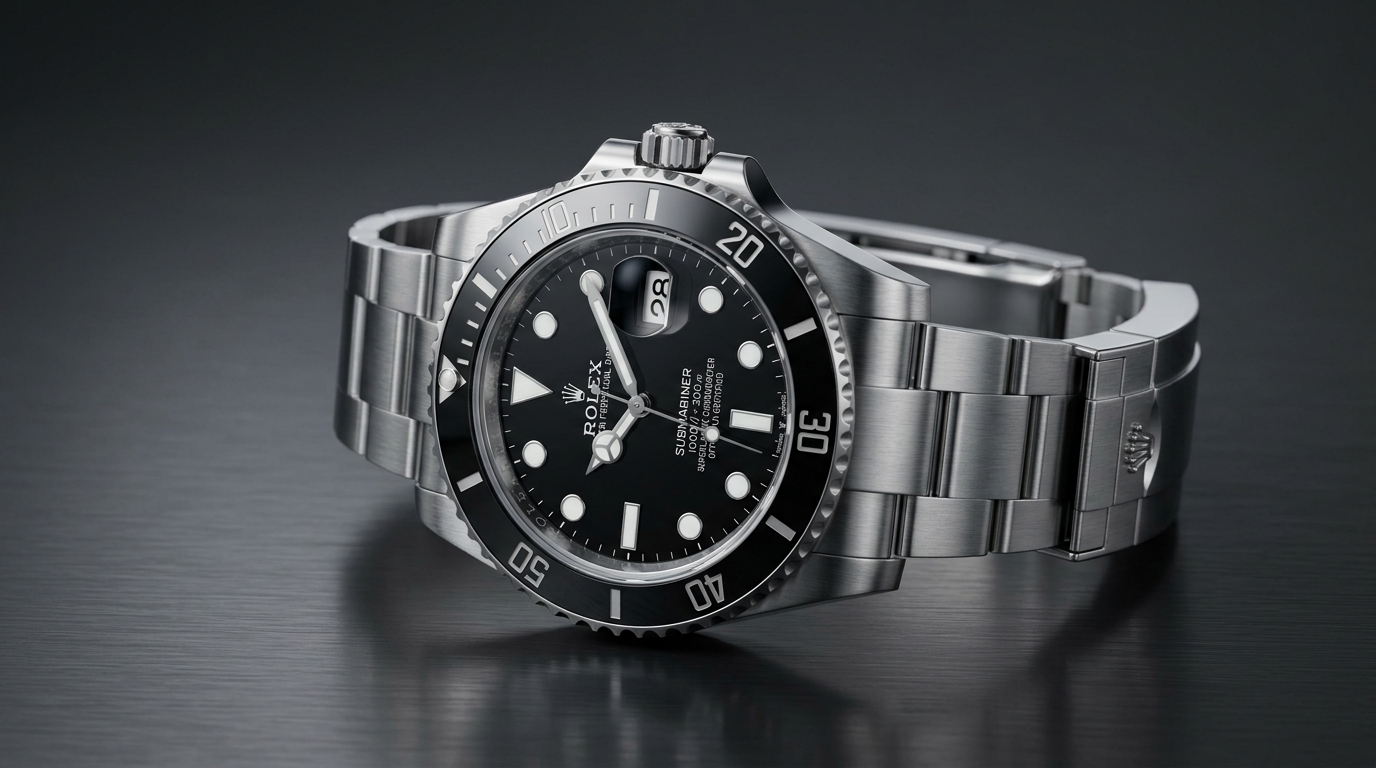
Rolex Is Not a Watch Brand. It Is the Most Disciplined Market System in Horology.
Rolex is often discussed as if its dominance were a matter of fame,...
Read the essay ↗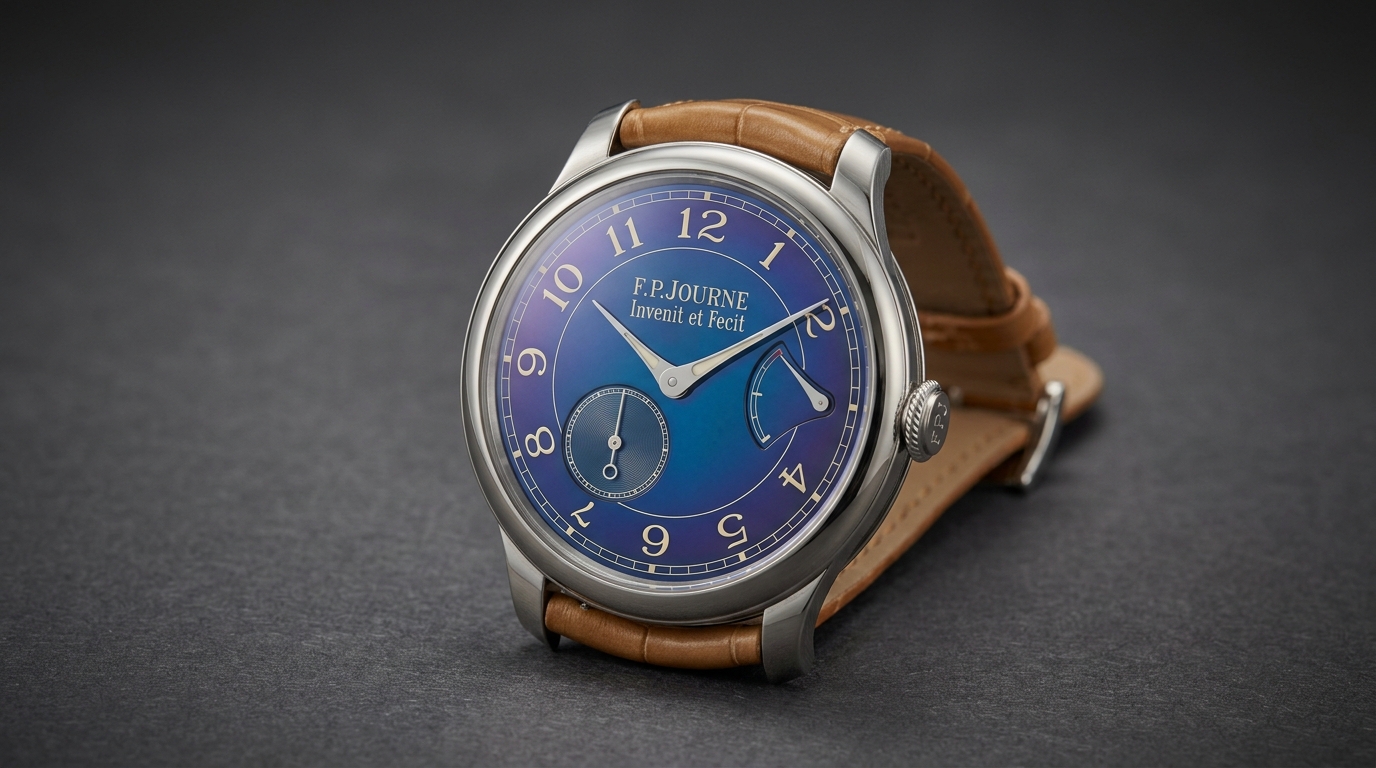
F.P. Journe: The Strategic Genius and Market Risk of Modern Independent Watchmaking
F.P. Journe is not important because it is small. It is important because, in less than...
Read the essay ↗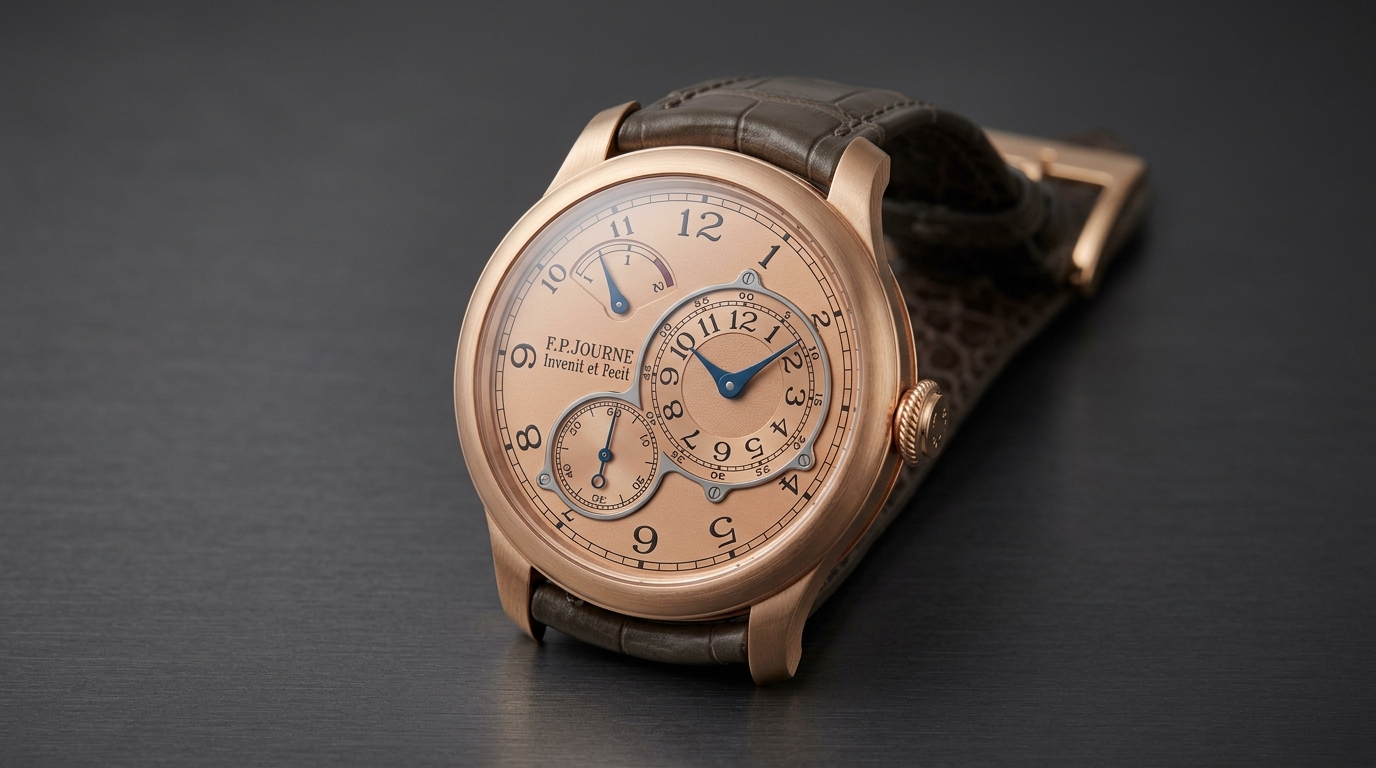
F.P. Journe: The Independent Watchmaker That Turned Scarcity Into Strategy
F.P. Journe is no longer a small secret exchanged between collectors at auction previews; it is a modern...
Read the essay ↗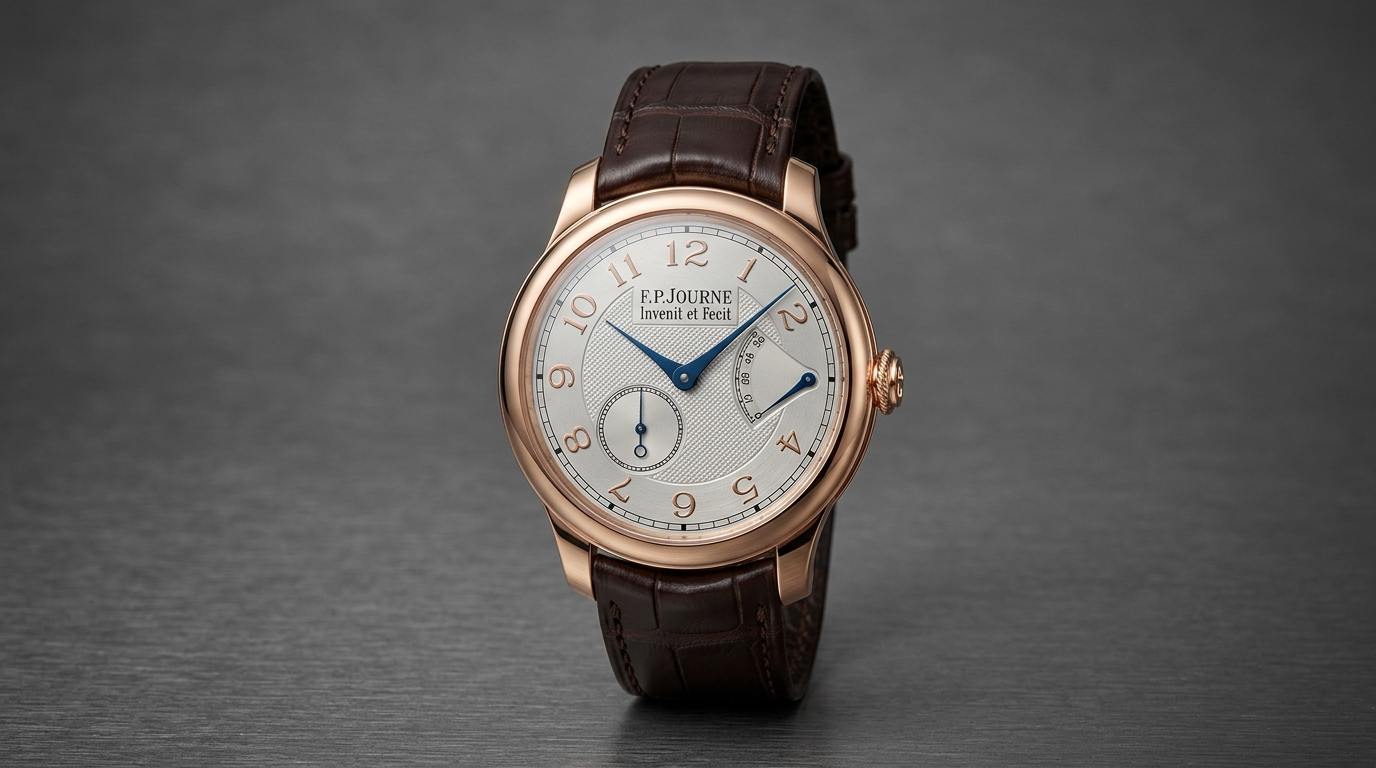
F.P. Journe: How a Modern Independent Turned Watchmaker Authorship Into a Collectible Asset
The most important thing F.P. Journe sells is not rarity, finishing, or even complication. It...
Read the essay ↗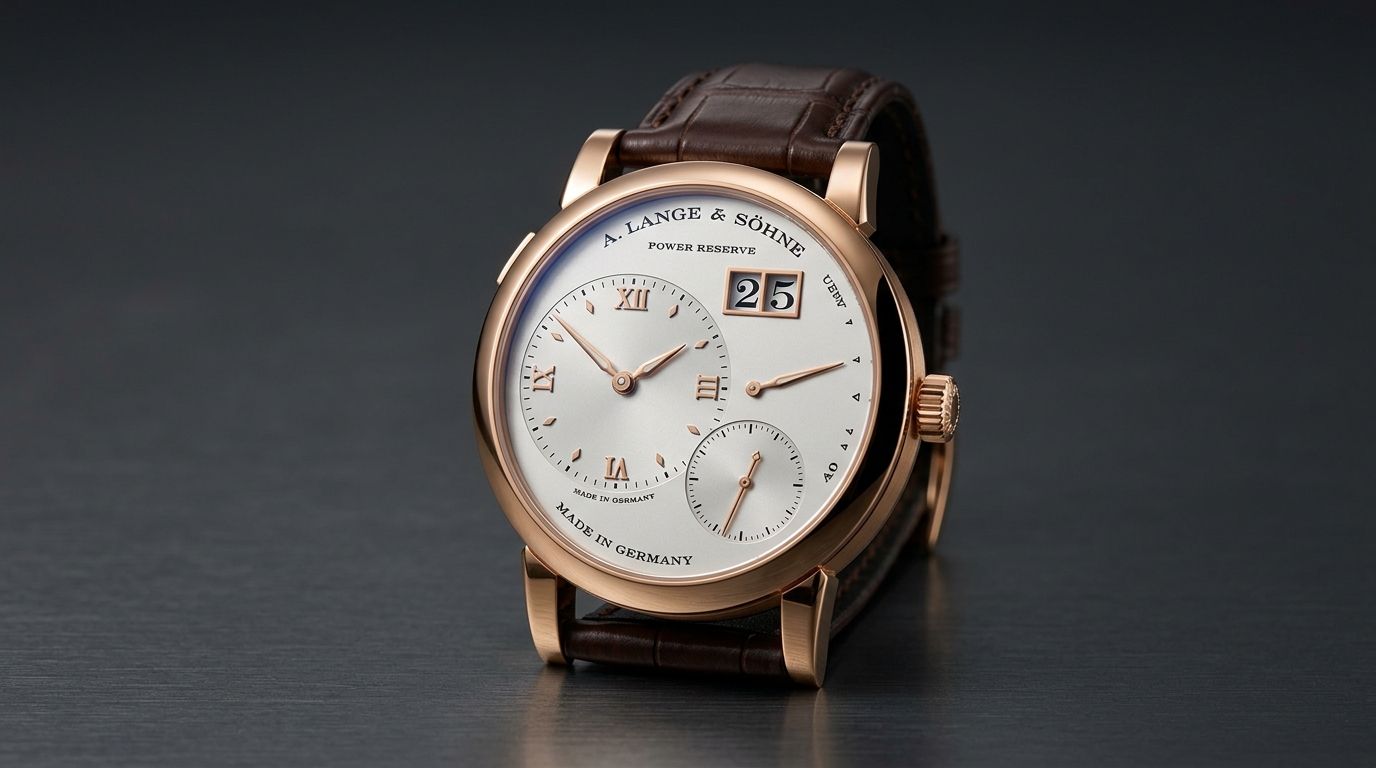
A. Lange & Söhne: The Strategic Power of German Restraint
A. Lange & Söhne is not the oldest continuous manufacture in high watchmaking, nor the largest, nor the...
Read the essay ↗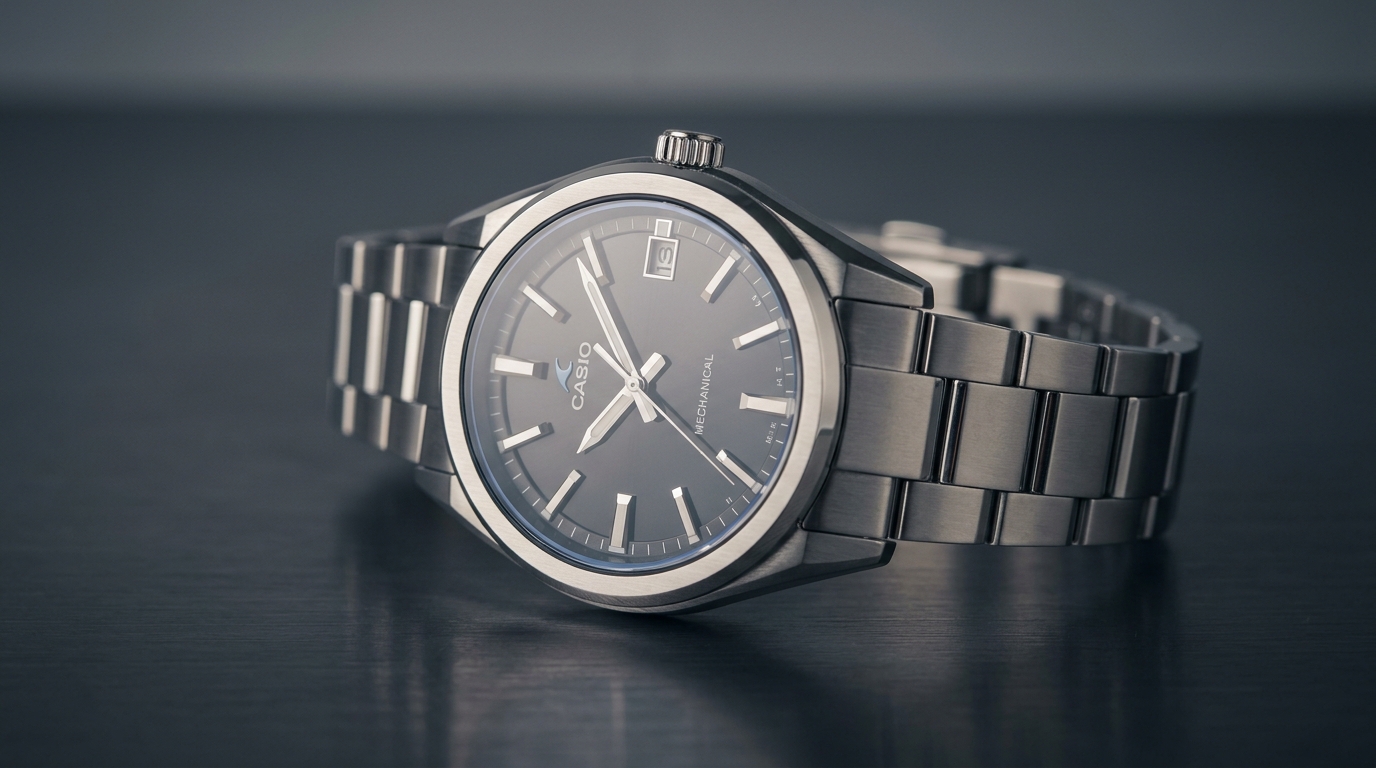
Casio and the Strategic Value of the Anti-Luxury Watch
Casio is not a mechanical watchmaker, which is precisely why it matters to serious watch collecting. The Japanese company...
Read the essay ↗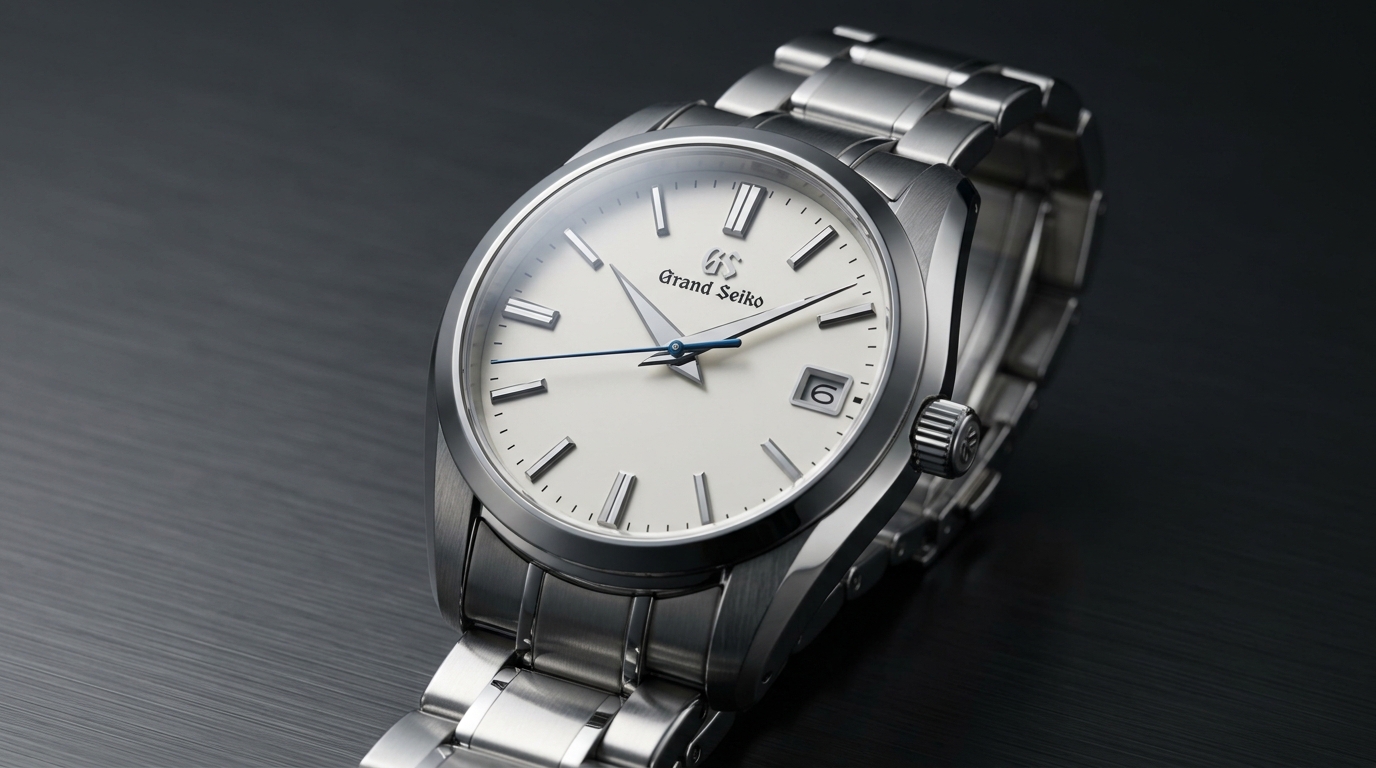
Grand Seiko’s Real Luxury Problem Is Not Quality. It Is Discipline.
Grand Seiko is no longer a connoisseur’s secret, and that is precisely why the brand has become...
Read the essay ↗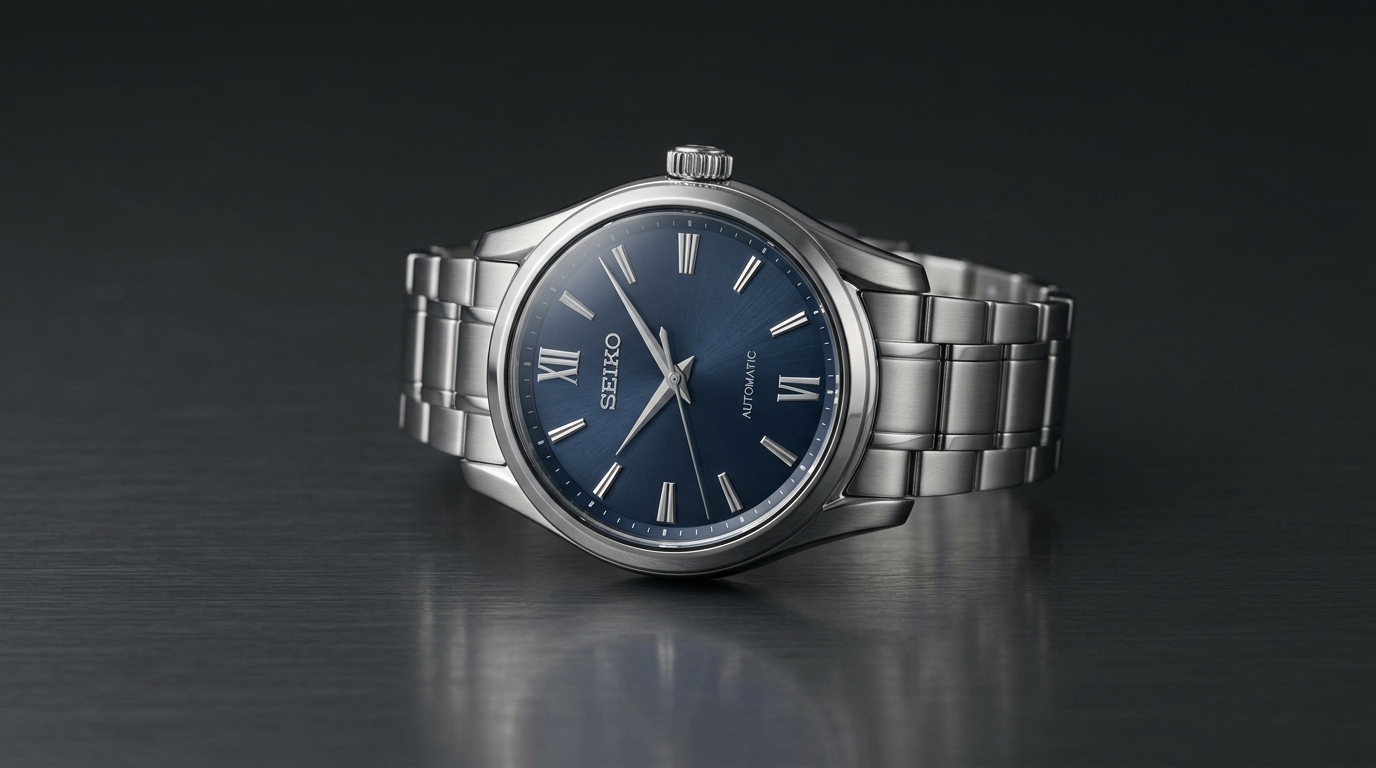
Seiko Watches: The Industrial Genius and Strategic Tension Behind Japan’s Most Important Watch Brand
Seiko is not one brand in the usual Swiss sense. It is an industrial...
Read the essay ↗