

Independent Horology · Perspectives
Perspectives
Structural analysis of horology — brand positioning, market cycles, and the craft–commerce tension.
The collection · 113 essays
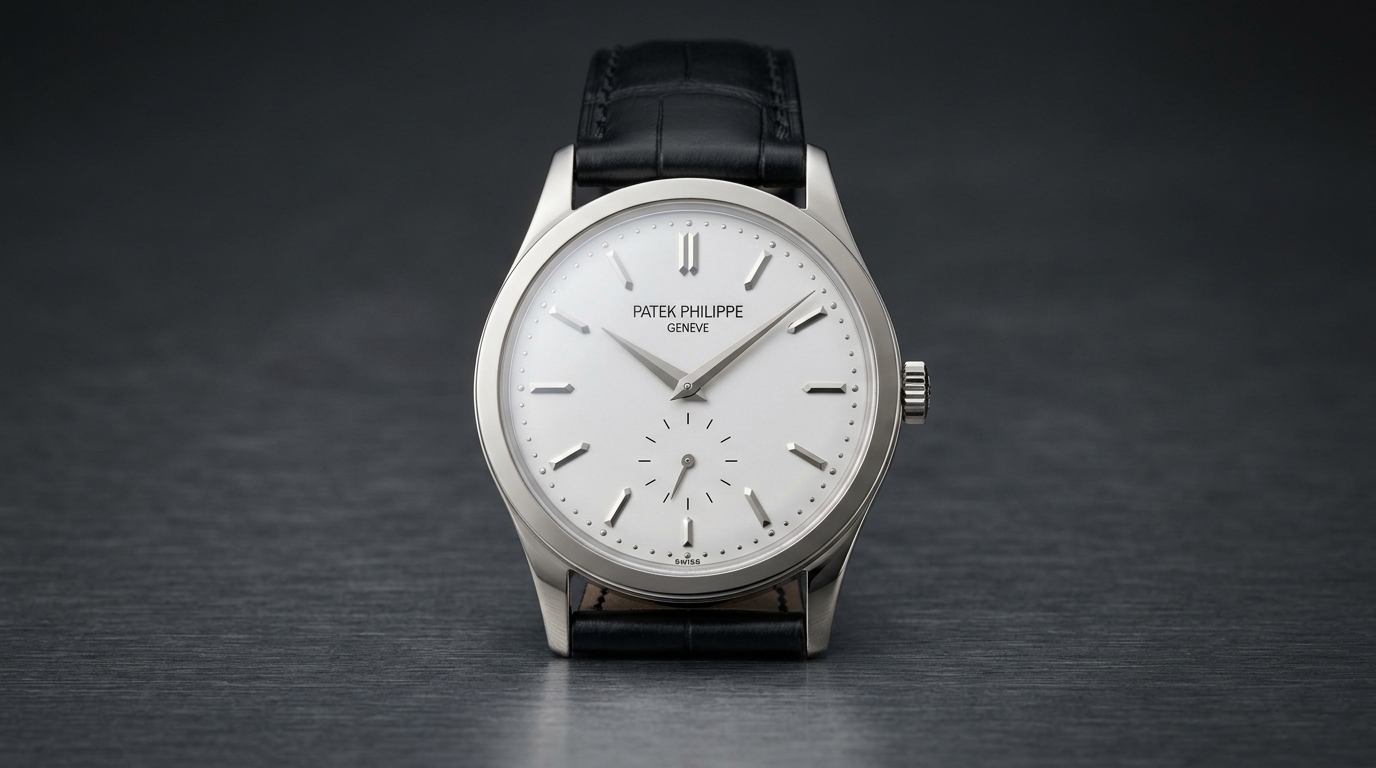
Patek Philippe: The Independent Watchmaker That Still Controls the Game
Patek Philippe is not fascinating because it is difficult to buy at retail. It is fascinating because, after...
Read the essay ↗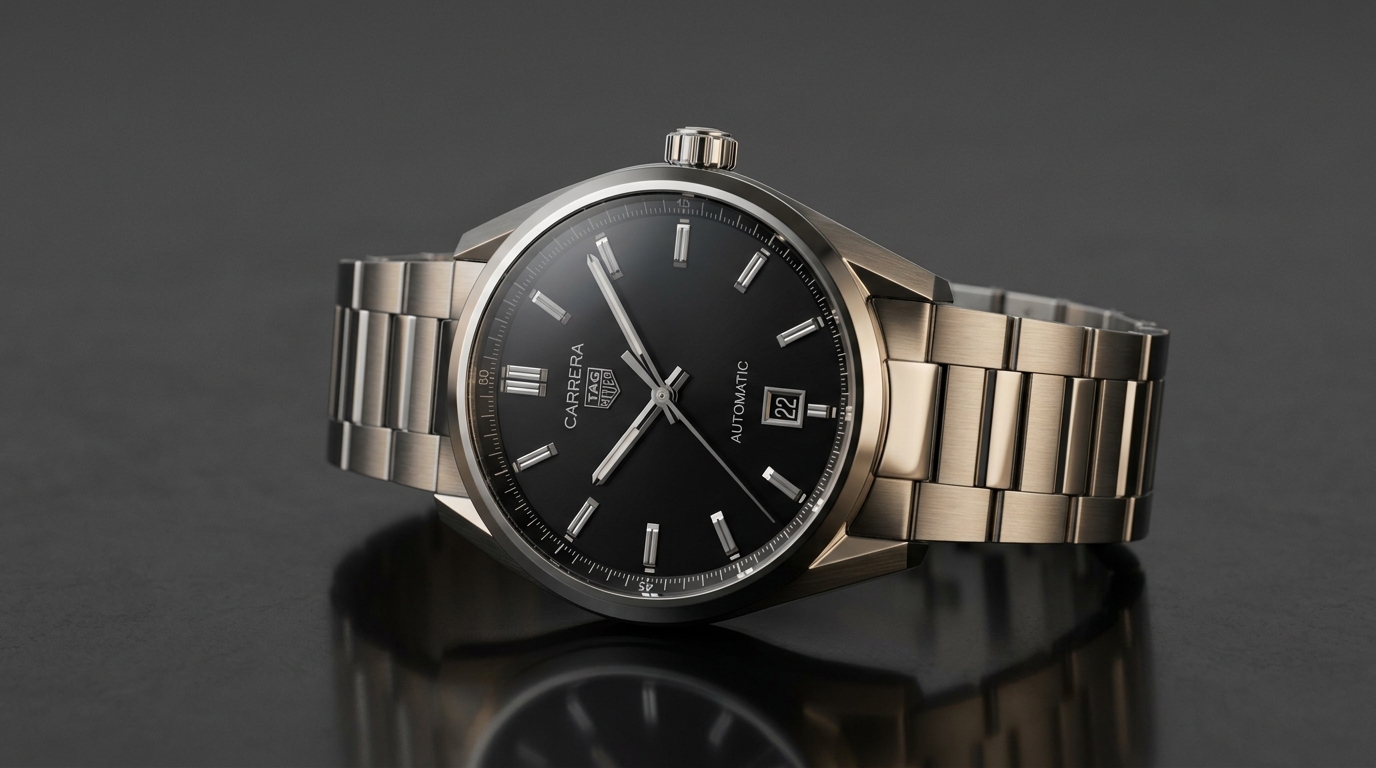
TAG Heuer: The Chronograph Brand Trying to Reconcile Heritage, Volume and Credibility
TAG Heuer’s central problem is not that it lacks history. It has more usable history than...
Read the essay ↗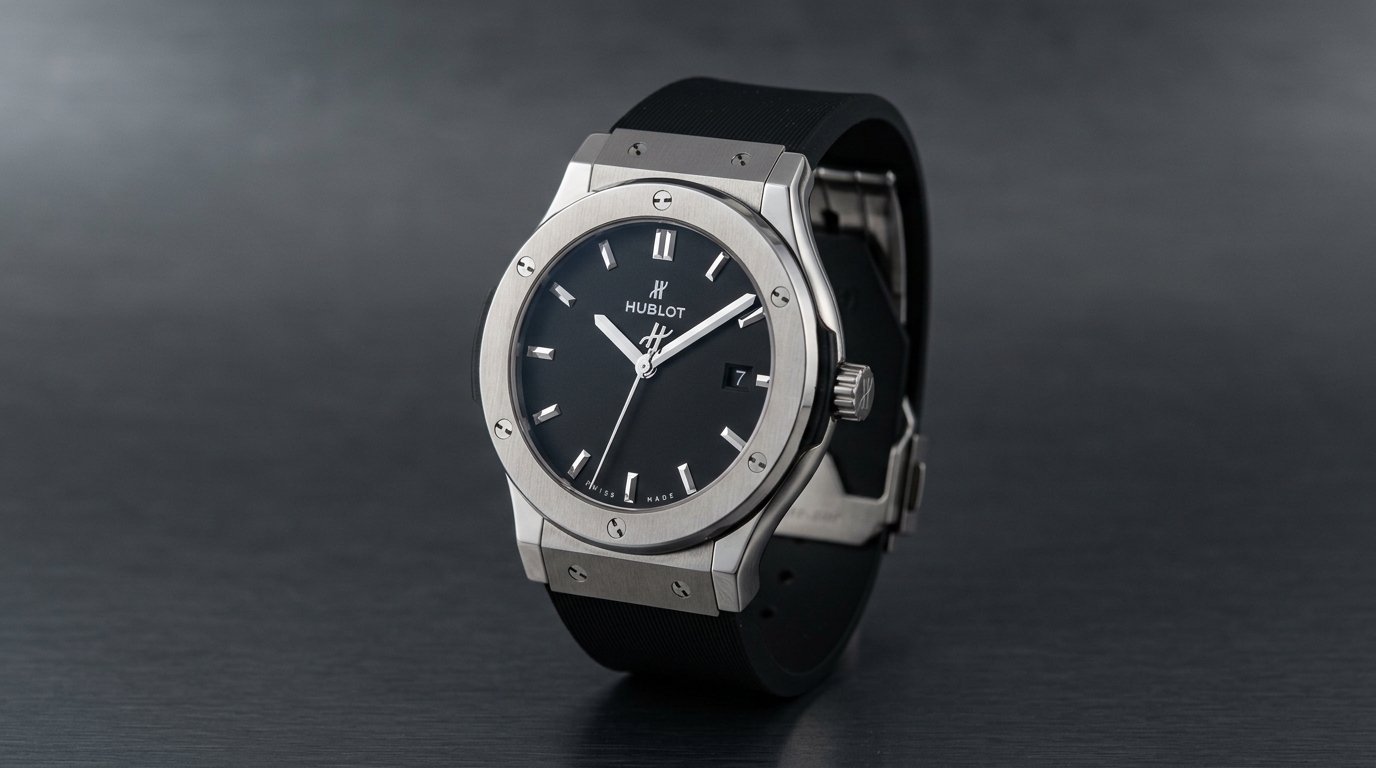
Hublot Watches: The Strategy, Movements and Market Reality Behind the Big Bang
Hublot is the watch industry’s most useful irritant. Collectors often treat the brand as shorthand for...
Read the essay ↗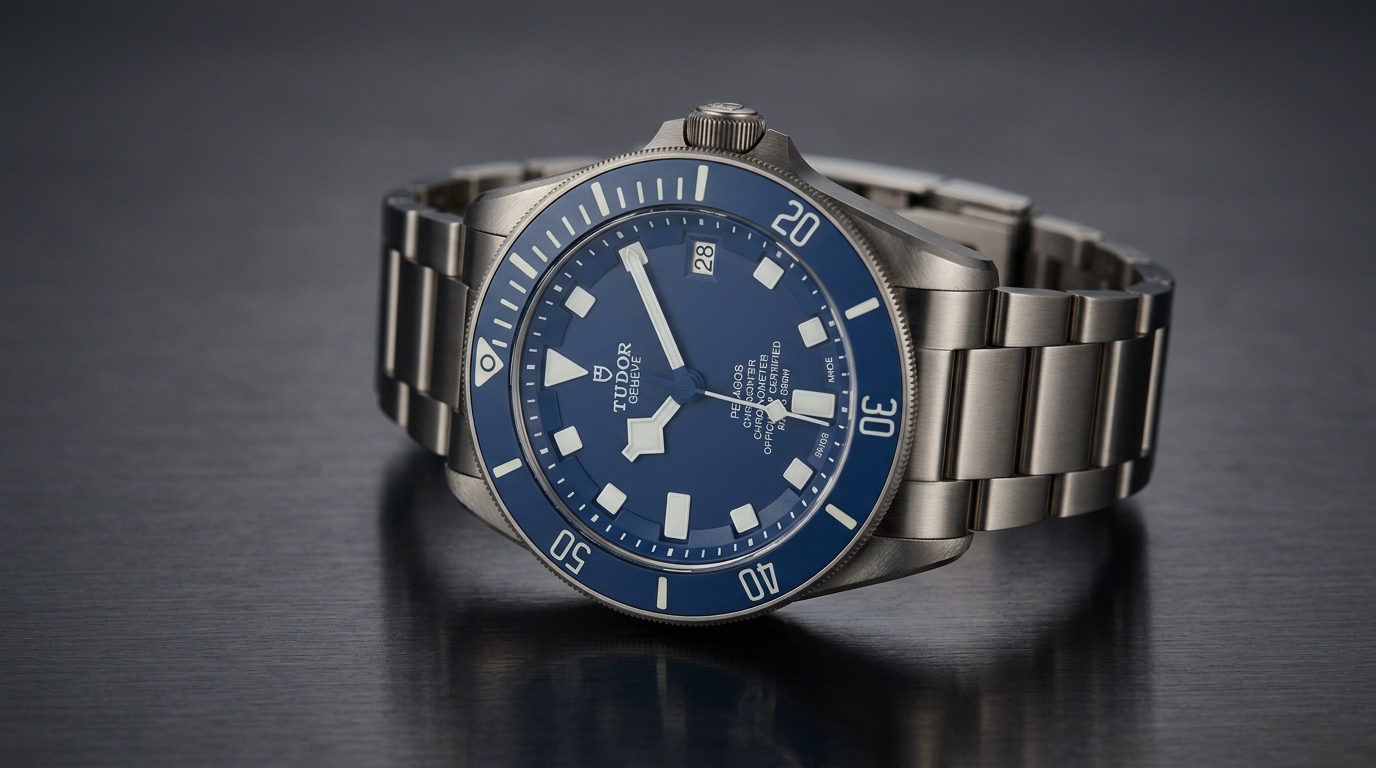
Tudor Watches: The Rolex-Owned Brand That Became Its Own Strategic Problem
Tudor is no longer meaningfully explained as the “affordable Rolex.” That phrase was useful when the brand...
Read the essay ↗
Longines Is the Most Strategic Watch Brand Under CHF 5,000
Longines is easy to underestimate because it does not ask to be mythologised. It neither performs the scarcity...
Read the essay ↗
Tissot Watches: The Swiss Value Gatekeeper Collectors Should Take Seriously
If Tissot disappeared tomorrow, the Swiss watch industry would lose more than a familiar logo in shopping districts...
Read the essay ↗
Cartier Watches: The Design Maison That Outsmarted the Movement Wars
Cartier’s modern strength is that it never needed to win the same argument as Patek Philippe, Audemars Piguet...
Read the essay ↗
Omega Watches: The Collector’s Case for Precision, Scale, and Selectivity
Omega is most often misread when it is treated as a substitute for something else. Not quite Rolex,...
Read the essay ↗
Swatch: How a Plastic Quartz Watch Rebuilt Swiss Watchmaking
Swatch is often misread because it looks unserious. That is the trap. The brand’s cases were plastic, its colours...
Read the essay ↗
Rolex: The Watch Brand That Became the Market’s Operating System
Rolex is often discussed as if it were simply the most famous Swiss watch brand. That understates the...
Read the essay ↗