Inside Chopard L.U.C: How Modern Geneva Gets Made
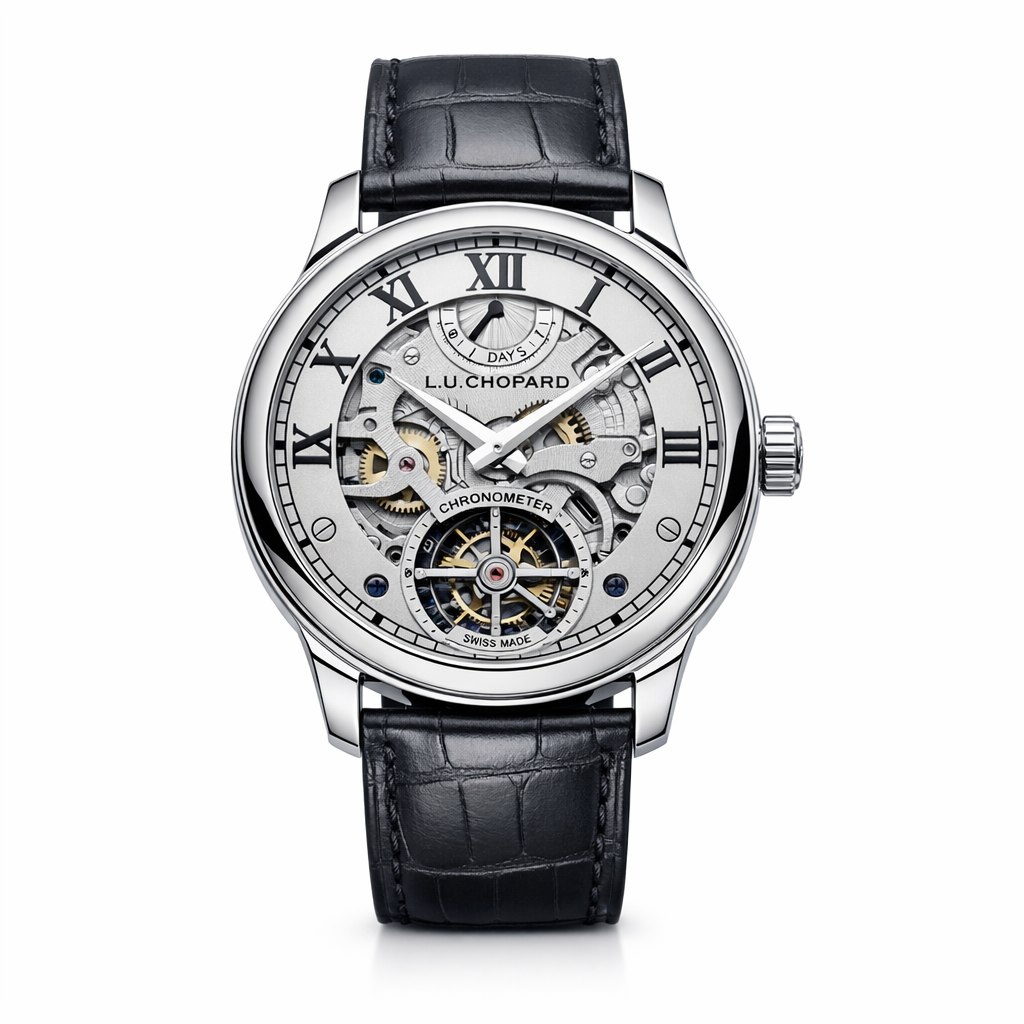
Chopard L.U.C is the rare high-watchmaking operation that doesn’t need to shout—because it doesn’t need to outsource. Behind the familiar Chopard name sits a vertically integrated micro-manufacture that quietly combines ethical gold, truly in-house calibres, and Geneva-level finishing into a modern idea of discreet haute horlogerie. If you’re scanning the room for a “loud” independent flex, you’ll miss the point. The value here is in what’s embedded: materials, architecture, and handwork that would be headline news if they wore a different logo.
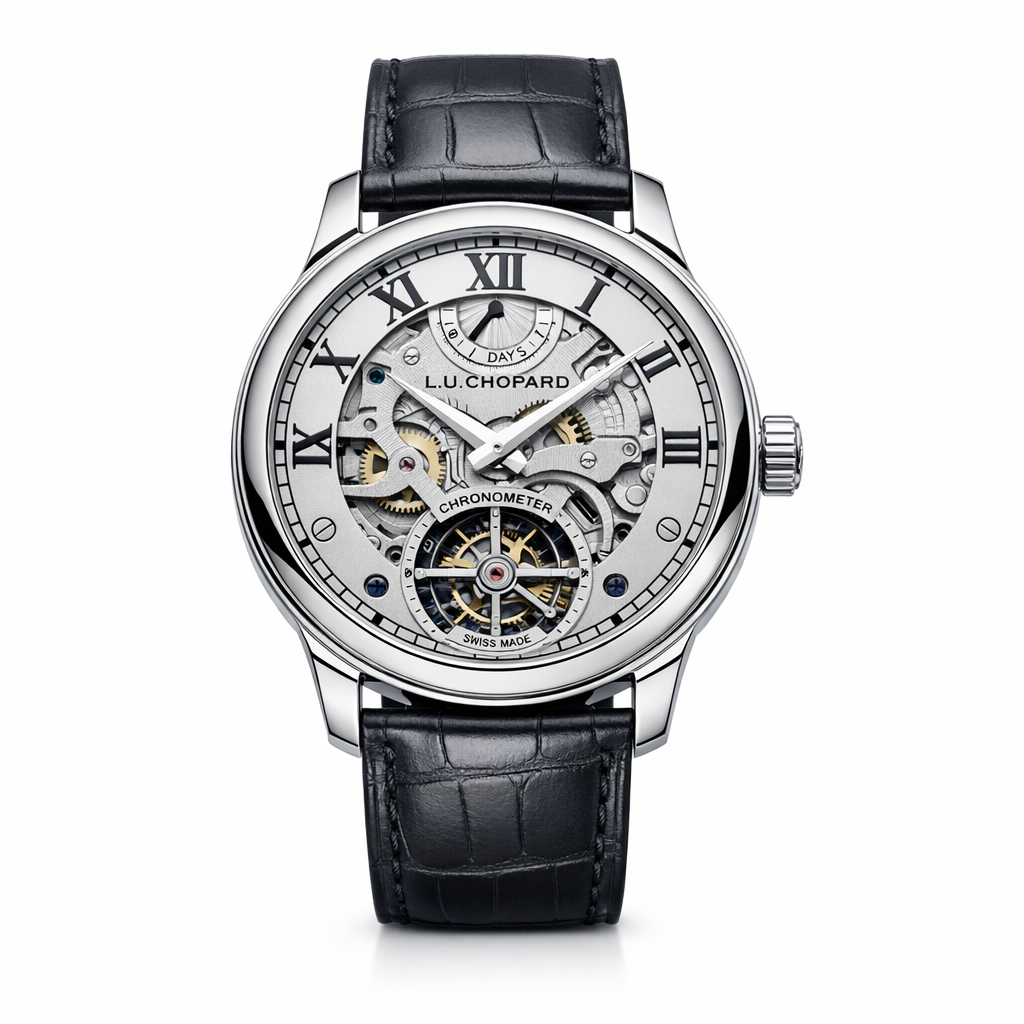
L.U.C Isn’t a Collection—It’s a Micro-Manufacture Hiding in Plain Sight
Most luxury brands sell you a design language, then explain why the rest of the watch deserves the price. L.U.C flips the script: the making comes first, the aesthetics follow, and the branding stays deliberately quiet. The line is effectively Chopard’s in-house high horology division—built around its own movement development, its own finishing standards, and a production culture that behaves more like a small independent than a mass luxury house.
This matters because “integrated” is now marketing shorthand. In the L.U.C context it is tangible: you’re not paying for a case and dial around a supplier-calibre. You’re buying a watch that’s been engineered, decorated, adjusted, and cased with the kind of internal continuity that usually requires an independent atelier—or a much louder narrative.
Ethical Gold as Engineering, Not Slogan
Chopard’s use of ethical gold is often treated as a corporate responsibility footnote. In L.U.C, it reads more like product philosophy: precious metal isn’t just for visual warmth and weight, it’s part of the watch’s value system. When the case metal is traceable and responsibly sourced, it turns “luxury” into something less abstract and more accountable.
That accountability also reframes what you’re looking at on the wrist. Many brands allocate most of their storytelling to a dial motif or a limited-edition badge. L.U.C can afford to be quieter because one of its primary flexes is invisible: the materials are premium not only in purity, but in provenance.
In-House Calibres Built for Chronometry and Finishing
The L.U.C proposition stands or falls on movements, and Chopard commits to genuine manufacture-grade calibres rather than “good enough” engines dressed up with a rotor. Think micro-rotor layouts, long power reserves, and chronometric intent—architecture chosen because it supports thinness, stability, and the kind of finishing that rewards close inspection.
When a brand designs its own calibre, it can decide where to allocate thickness, where to place mass for efficient winding, and how to structure the bridges for both rigidity and aesthetics. With L.U.C, those choices tend to point in the same direction: calm, classical geometry on the dial side; mechanical depth and handwork on the back.
The Geneva Ideal—Not as a Label, but as a Discipline
“Geneva-level finishing” gets thrown around so often it’s lost meaning. L.U.C earns it the old-fashioned way: meticulous surface preparation and a coherent finishing language across the movement. You see it in the precision of anglage, the control of polishing, and the sense that each component has been treated as a visible object—even when it doesn’t strictly need to be.
This is where L.U.C’s discreetness becomes a feature. Loud independents often make finishing the headline—skeletonized views, dramatic bridge shapes, oversized balance displays. L.U.C does the opposite: it keeps the overall aesthetic composed, then lets the detail carry the weight for anyone who looks closely enough.
The Signature Lens: Why Micro-Rotor Architecture Is the Tell
If you want a single detail that reveals where L.U.C’s real value sits, use the micro-rotor as your lens. A micro-rotor isn’t merely a design flourish; it’s a commitment. It asks the manufacture to solve efficiency and packaging problems without resorting to bulk, and it exposes more of the movement’s landscape—meaning there’s nowhere to hide mediocre finishing.
With a full-size central rotor, a large plate blocks much of the movement and can visually “forgive” simpler decoration. A micro-rotor forces the brand to finish more of what you can actually see, and to do it with consistency: the bridges, the inward angles, the graining, the polishing transitions. In L.U.C, this architecture becomes a quiet proof of intent—an engineering decision that pays off as both thin elegance and expanded canvas for hand-finishing.
It’s also where the comparison with louder independents becomes interesting. Many independents win attention through radical shapes, aggressive textures, or scarcity narratives. L.U.C competes differently: with an architecture that is objectively harder to execute at a high level, then finished with restraint. The watch isn’t begging to be noticed; it’s engineered to be respected.
Discreet Haute Horlogerie in 2026: What You’re Actually Buying
To understand L.U.C, it helps to reframe the purchase. You’re not buying a “collection” nameplate. You’re buying an integrated approach: ethical gold that aligns luxury with responsibility, movements developed to support both performance and elegance, and finishing that belongs in the Geneva conversation even when it isn’t being marketed as a trophy.
In a market where volume brands borrow independent aesthetics—and independents borrow luxury pricing—L.U.C sits in a rarer lane: contemporary Geneva made with a micro-manufacture mindset. The result is a watch that doesn’t need to announce itself from across the room. The point is that it doesn’t have to.
Where the Quiet Premium Shows Up on the Wrist
L.U.C watches wear like their philosophy: composed proportions, precious metal warmth, and a sense of density that isn’t only about weight but about intention. The dial may read as clean, even conservative, until you realize the restraint is the feature—because the brand put the budget where enthusiasts value it most: architecture, finishing, and material integrity.
If you’re drawn to haute horlogerie but tired of theatrics, L.U.C is a reminder that the most modern form of luxury can be the least performative. Modern Geneva doesn’t always look new. Sometimes it looks timeless—and it’s made better than you expect.