Maurice de Mauriac: Zurich’s Indie Watchmaker Turning Customization into Modern Swiss Luxury
Luxury watchmaking often sells you a legend; Maurice de Mauriac sells you proximity. From a Zurich atelier rather than a Vallée de Joux cathedral, the brand has built its reputation on an unusually modern promise in Swiss mechanical horology: you don’t just choose a model—you shape a watch around your life, down to the dial, hands, case finishing, and strap, with the immediacy and candor of an independent workshop that still speaks the language of serious mechanics and speed culture.
This is the story of how Maurice de Mauriac turns customization into a coherent luxury proposition—without hiding behind heritage—and why that approach resonates in a market crowded with retro reissues and manufactured scarcity.
Zurich as a Design System, Not a Backdrop
There is a particular kind of confidence that comes from building in Zurich. Not the romantic confidence of alpine tradition, but the pragmatic confidence of a city that values systems: typography, product design, architecture, and the small disciplines that make objects feel “resolved.” Maurice de Mauriac reads less like a brand that happens to be in Zurich and more like one that could only be fully itself there. The watches often carry that Zurich sensibility: clear, functional layouts; purposeful color; legibility treated as a design constraint rather than an afterthought.
In the broader landscape of Swiss mechanical watches, place is often invoked as myth. Here it functions as method. Zurich’s distance from the heritage corridors of the Vallée de Joux is not a defect to be compensated with storytelling; it is a strategic advantage. It allows Maurice de Mauriac to position itself as a contemporary indie watchmaker—one that acknowledges the traditions of mechanics and finishing, but refuses to pretend that the 21st century collector is primarily buying a century-old narrative.
That difference matters because the market’s default luxury language is still ceremonial: anniversaries, “revivals,” and origin myths used as proxies for value. Maurice de Mauriac’s argument is cleaner: the value is in the relationship, the object, and the ability to shape it.
Proximity as Luxury: The Workshop Model in a Category Built on Distance
Luxury horology has spent decades perfecting distance. Not just physical distance—price, scarcity, dealer barriers—but emotional distance: the idea that a watch is elevated because it is difficult to access, difficult to understand, and difficult to influence. Maurice de Mauriac flips that equation. The proposition is that a mechanical watch can feel more luxurious when its making is more visible, its options more tangible, and its creators more reachable.
Customization is not new in watchmaking, but it is often treated as either a private-client service at the very top of the pyramid or a superficial “configurator” exercise: change a strap, pick a dial color, call it personal. Maurice de Mauriac’s strength is that it treats customization as the primary interface between brand and buyer. You are not simply selecting reference numbers; you are making choices that affect how the watch reads on the wrist: hands, dial execution, case treatment, and the small contrasts that define character.
This is where the notion of proximity becomes more than a romantic idea. Proximity changes the collector’s role. It turns purchase into participation, and participation into attachment. The result is not the anonymous satisfaction of “getting the allocation,” but a more durable feeling: this watch carries decisions you made, and therefore it tracks your taste over time.
A Co-Authored Object: Customization With Coherence
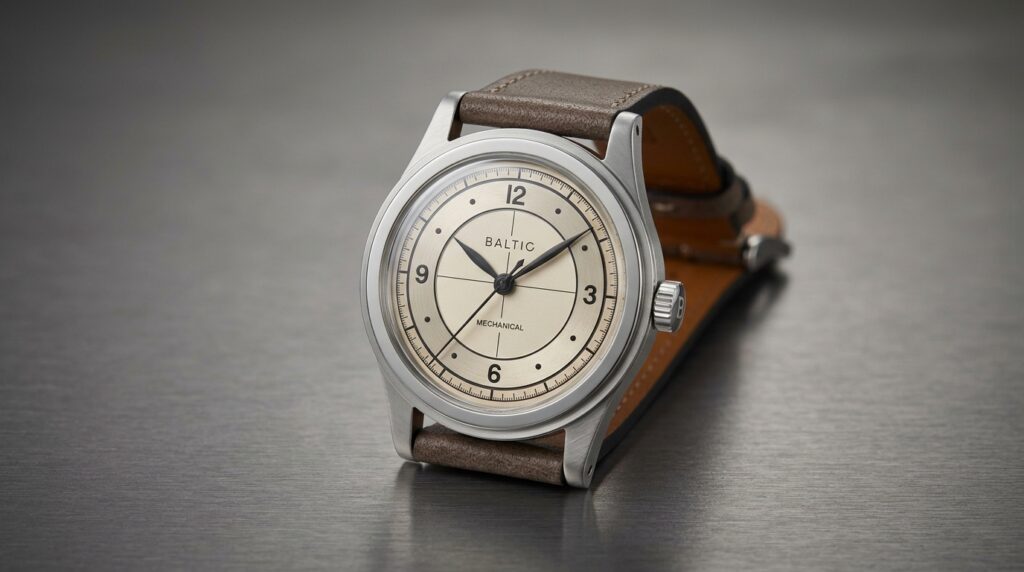
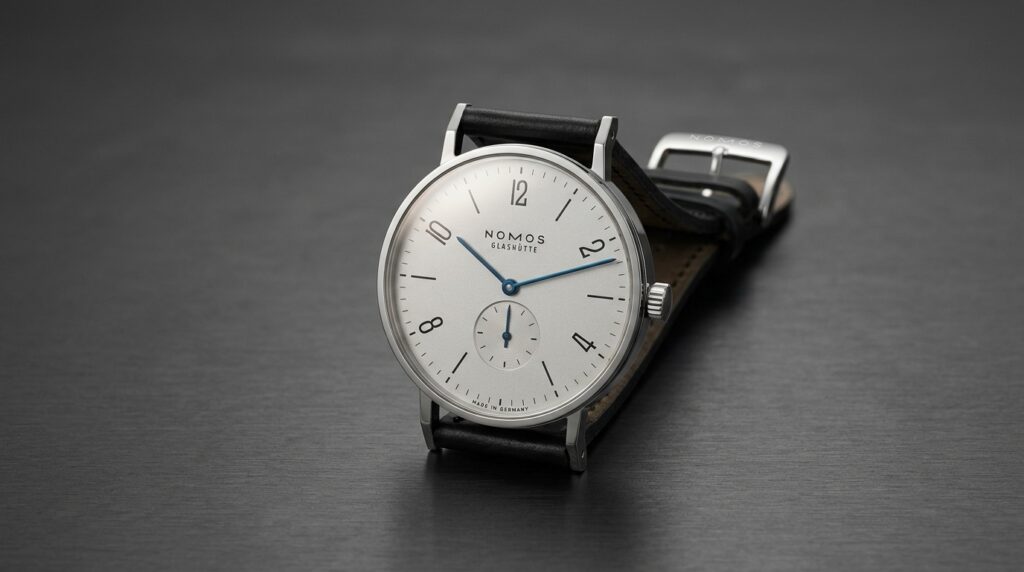
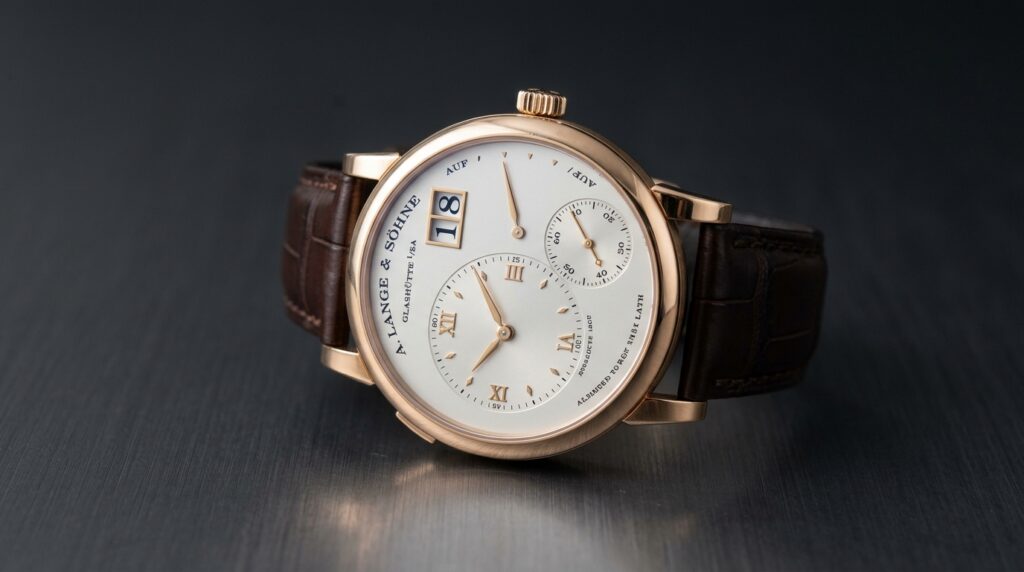
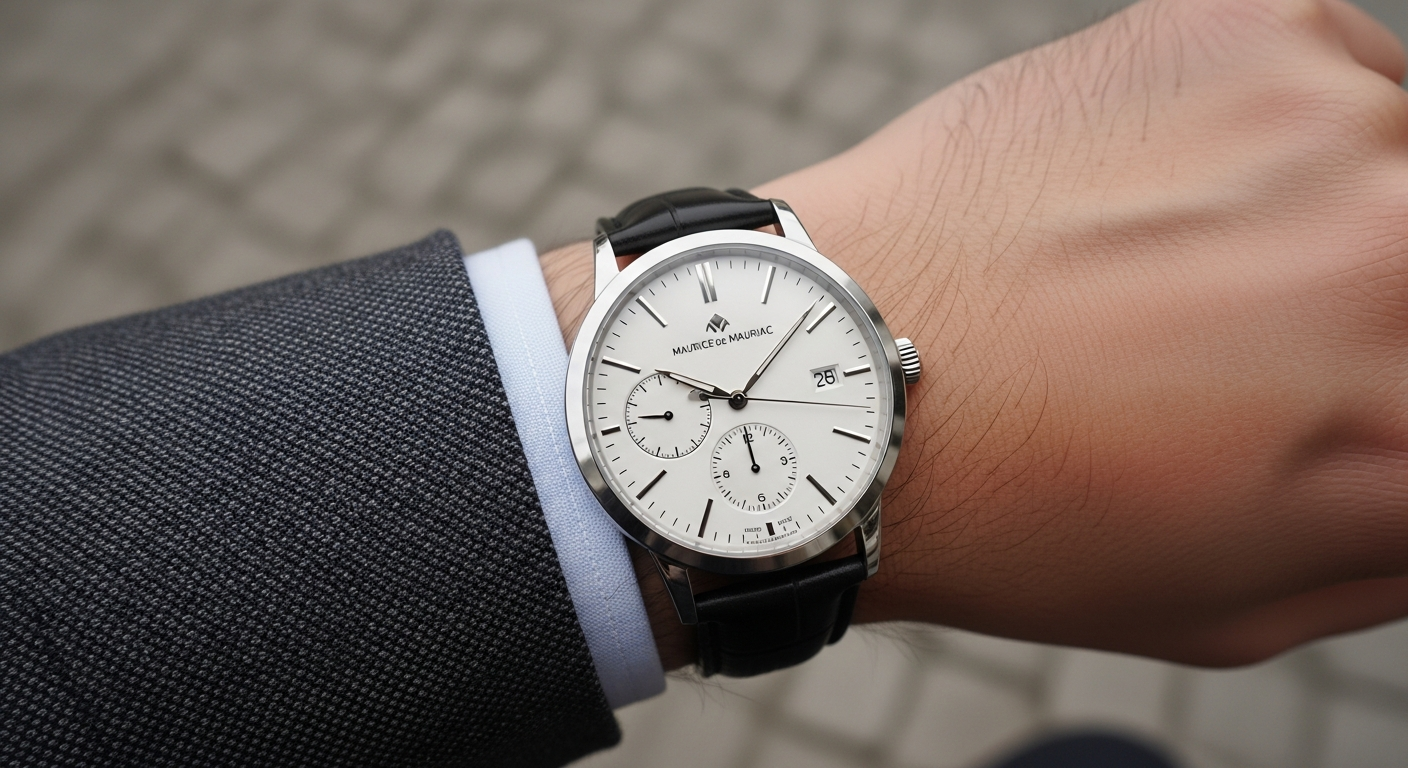
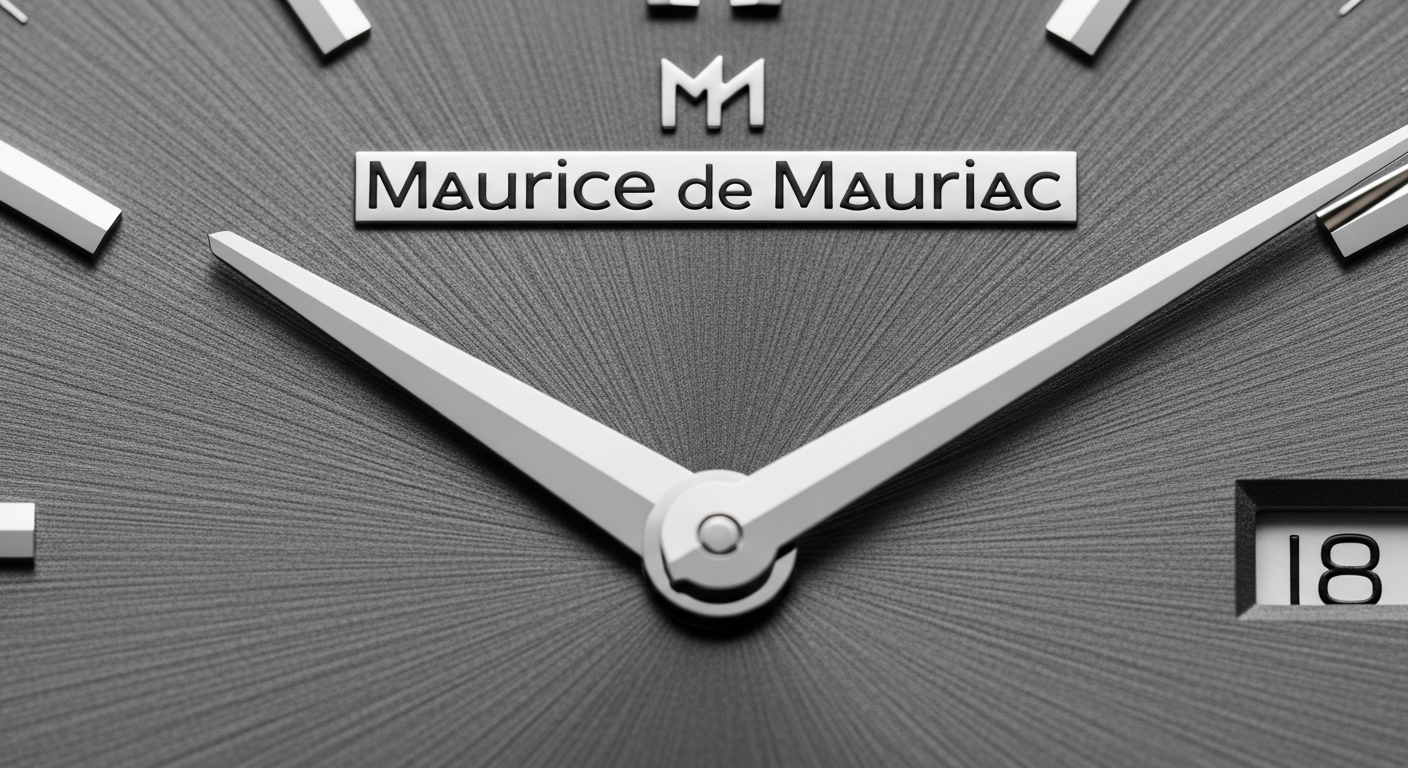
Customization only becomes luxury when it is constrained by taste. Unlimited choice produces visual noise and incoherent objects; good personalization feels like working within a strong design grammar. Maurice de Mauriac generally operates on that second plane. The watches have recognizable architecture—dial layouts that prioritize legibility, cases with a purposeful stance, and a modernist restraint that resists ornament for ornament’s sake. Within that structure, customization allows the collector to adjust emphasis.
Think of it as editing rather than inventing. The base watch is the sentence; your choices determine cadence and tone. A change in hand shape can make a watch feel more technical, more vintage, more instrument-like. A different case finishing can shift the watch from quotidian to “equipment.” Dial color can signal restraint or playfulness. None of these are radical engineering interventions, but in luxury horology the difference between a watch that feels generic and one that feels personal often comes down to these decisions.
This is also where Maurice de Mauriac’s positioning is strategically astute. In a market crowded with familiar case silhouettes and recycled mid-century cues, the brand offers a modern alternative without going avant-garde. The watches are contemporary, but not alienating. The customization is expressive, but not chaotic. That balance—design rigor with personal latitude—is its signature.

Motorsport as Credibility, Not Costume
Motorsport is one of watchmaking’s most overused associations: a ready-made aesthetic of tachymeter bezels, racing stripes, and limited editions named after circuits. The risk is obvious—motorsport becomes a costume rather than a culture. Maurice de Mauriac’s relationship to speed culture tends to read more sincere because it aligns with the brand’s broader worldview: instruments, immediacy, and mechanical empathy.
Motorsport, at its best, is about iterative improvement and sensitivity to feedback loops—the same logic that makes a customization-first watchmaker credible. In a pit lane, the point is not to admire the mythology of racing; it is to adjust the machine to the driver. That is essentially the Maurice de Mauriac pitch translated into metaphor: the watch is not a museum tribute to the past; it is a tool shaped to a person’s preferences.
For collectors, the attraction is less “racing lifestyle” and more the clarity of purpose. A watch designed with an instrument mindset tends to age well. It remains legible, functional, and honest about what it is. In an era where many Swiss mechanical watches are sold as jewelry with a movement attached, Maurice de Mauriac keeps the instrument idea alive without needing to cosplay vintage motorsport.
Where the Mechanics Sit in the Value Proposition
Any serious collector will ask the necessary questions: what powers the watches, what level of finishing is on offer, and how the brand thinks about serviceability. Maurice de Mauriac’s positioning is not based on cult in-house movements or baroque hand-finishing competitions. Instead, it leans into a pragmatic Swiss mechanical watches philosophy: robust calibres, sound assembly, and the kind of mechanical reliability that supports daily wear.
That choice is not a compromise; it is strategic. A customization-driven brand benefits from movements that are proven and serviceable, because the collector’s attention is directed toward configuration, design, and use-case. It also keeps the watches grounded as instruments rather than trophies. In collector terms, this is a “wear it, don’t worship it” approach—one that aligns with Zurich’s functional design discipline and the brand’s motorsport-adjacent identity.
There is also an honesty in not trying to compete on every axis. Maurice de Mauriac aims to be a modern indie watchmaker whose competitive edge is intimacy and personalization. Chasing the in-house arms race would dilute that focus and likely push the product toward either higher prices or lower availability—both of which would undermine the proximity thesis.
Design Rigor: The Difference Between Personal and Bespoke-Adjacent
The most interesting watches from small independents rarely win by being loud. They win by being specific. Maurice de Mauriac’s specificity shows up in proportion and graphic clarity: dials that read quickly, typography that feels deliberate, and cases that avoid unnecessary theatrics. The result is a collection that can accept personalization without losing identity.
That last point is crucial. Many brands that offer customization end up producing watches that look like one-offs in the weakest sense: unique, but not coherent. Maurice de Mauriac’s watches tend to remain recognizably Maurice de Mauriac even when configured differently. That brand integrity is what makes customization feel like modern Swiss luxury rather than a novelty.
This is also why the brand resonates with collectors who are fatigued by manufactured scarcity. Customization becomes a more substantive form of individuality than a limited edition caseback engraving. It is uniqueness rooted in design decisions, not in production arithmetic.
How to Buy: Choosing a Configuration With Collector Logic
Collectors approaching Maurice de Mauriac are often torn between two instincts. The first is to treat customization as an opportunity for maximal expression: bold colors, contrasting hands, unusual straps. The second is to treat it like a long-term wardrobe piece: neutral choices, restrained finishing, maximum versatility. Both are valid, but the best outcomes usually come from clarifying your intent before selecting options.
If the watch is meant to be daily equipment, prioritize legibility and wearability. Choose a dial and hand set that reads at a glance, and a case finishing that tolerates use. If the watch is meant to be a distinct signature piece, push one element—dial color, hand contrast, or strap material—while keeping the rest disciplined. The underlying design language is strong enough that you do not need to “design a new watch”; you need to decide what the watch should emphasize.
There is also a practical collector consideration: configurability can make resale more personal and therefore more complicated. That does not invalidate the purchase; it reframes it. Maurice de Mauriac is at its best when bought as an object you intend to keep and wear. The value is experiential and relational: satisfaction in the outcome, and in the process of getting there.
Positioning in the Indie Landscape: A Contemporary Swiss Maison Without the Costume
Among independents, Maurice de Mauriac occupies a distinctive middle ground. It is not a one-person atelier making a handful of watches per year, nor is it a scaled luxury conglomerate brand selling a fantasy of rarity. It is a Zurich-based independent that behaves like a modern maison: consistent design codes, credible mechanical choices, and a directness in how it engages clients.
That directness is the brand’s differentiator. The watches do not ask you to buy into an inherited myth. They ask you to make decisions—tasteful ones—and to accept that luxury horology can be present-tense. For collectors who already own the big heritage names, this can be refreshing. It provides a different kind of satisfaction: not the comfort of belonging to a long lineage, but the pleasure of shaping something with your own sensibility.
And for newer collectors, it offers an entry into Swiss mechanical watches that feels less like gatekeeping. You are not required to memorize reference histories to justify the purchase. You can focus on what matters: how the watch fits your life, how it reads on the wrist, and how well it holds up as a designed object.
Why the Approach Works Now
The timing of Maurice de Mauriac’s proposition is not accidental. The luxury market is saturated with retro reissues and constrained-access narratives. At the same time, collectors have grown more design-literate and less impressed by empty scarcity. They want watches that are both mechanically credible and personally meaningful, without needing to be validated by a heritage script.
Customization answers that need, but only when it is executed with discipline. Maurice de Mauriac’s version of customization is persuasive because it is anchored in a coherent aesthetic, supported by practical mechanics, and delivered through a model of proximity that feels increasingly rare in luxury horology.
If heritage is a story you inherit, Maurice de Mauriac argues luxury can be a story you co-author. In today’s market, that is not just an attractive idea; it is a strategically sound one.