
Independent Horology · Timepieces
Timepieces
Close reading of individual watches — movements, design languages, and the decisions behind them.
The collection · 111 essays
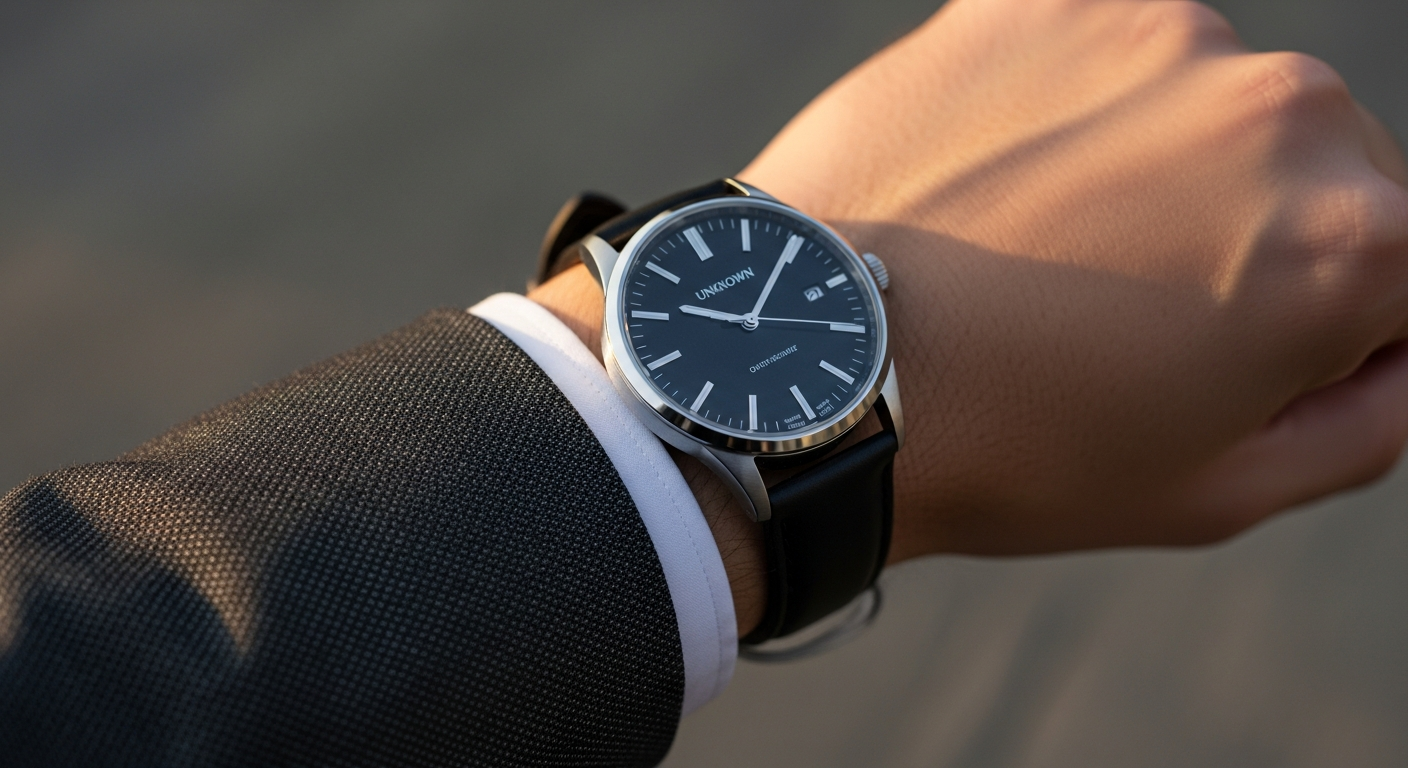
Manual vs Automatic Watches: Which One Truly Connects You to Time?
The first time I felt a watch truly speak back to me, it wasn’t through a screen lighting up with notifications, or a…
Read the essay ↗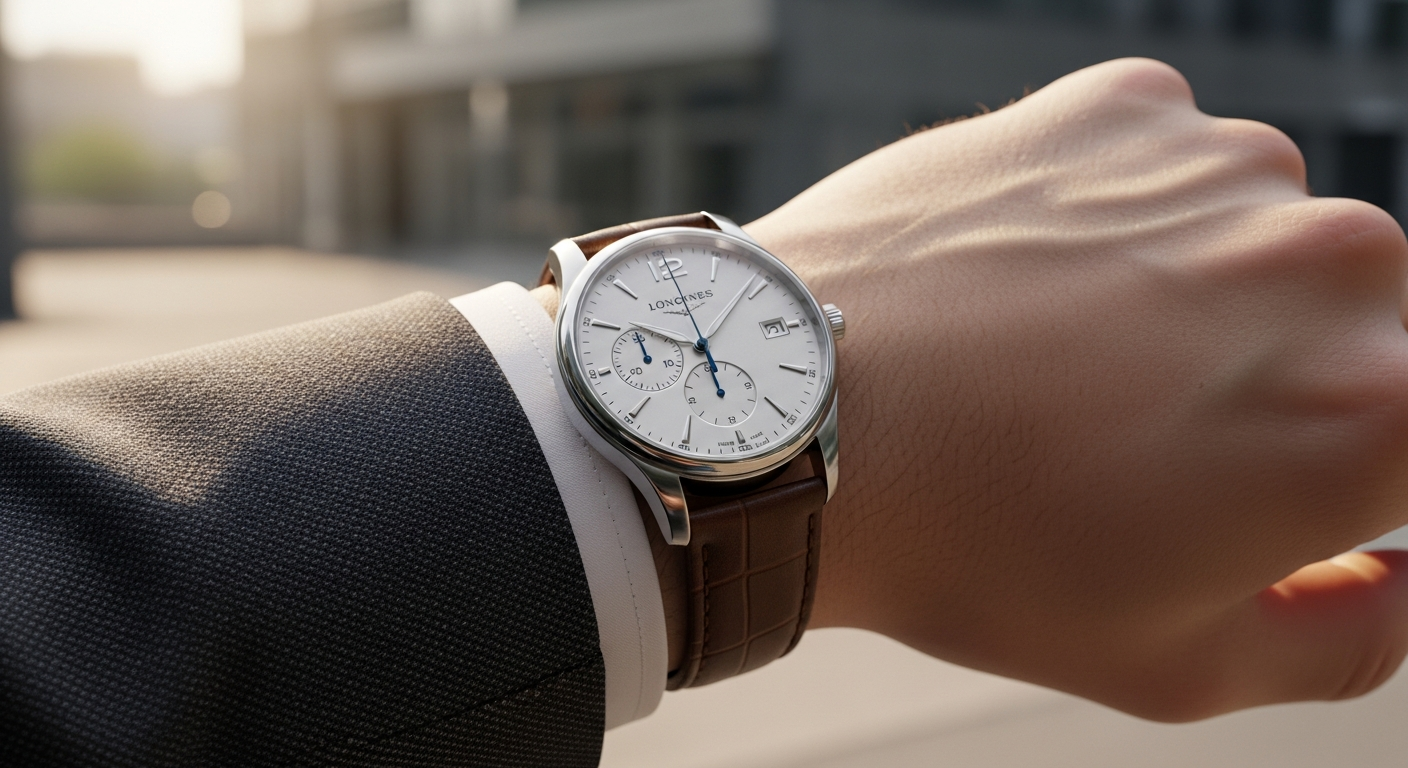
Longines Heritage: Vintage Soul in Modern Form
There’s a particular kind of quiet that settles over a room when a watch box clicks open. It isn’t silence exactly; it’s more…
Read the essay ↗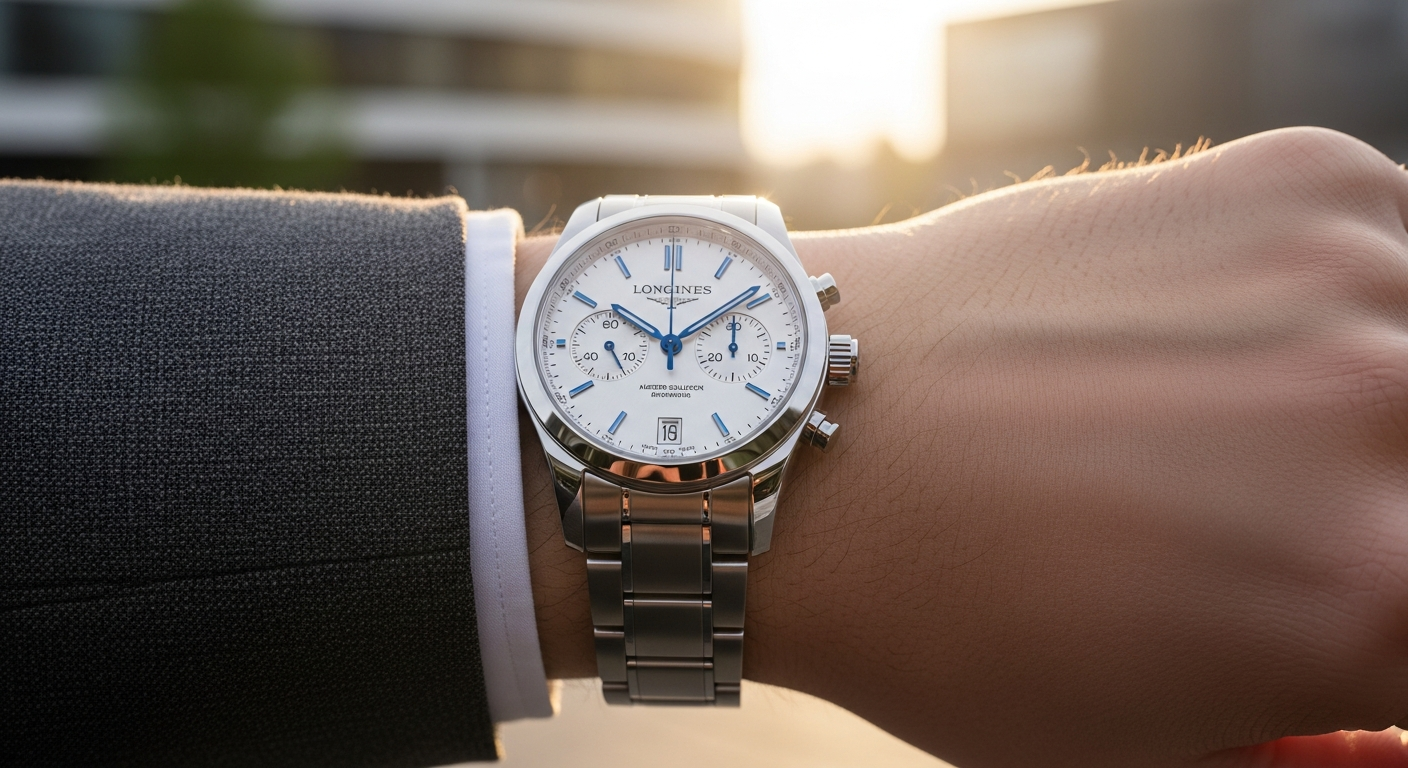
Longines Heritage and the Quiet Power of Continuity
There are brands that announce themselves the way a trumpet does, bright and immediate, demanding your attention before you’ve even decided whether you…
Read the essay ↗
Laurent Ferrier: Classical Watchmaking Reimagined
There is a particular kind of quiet that lives inside the best mechanical watches. Not silence exactly, because a watch is never truly…
Read the essay ↗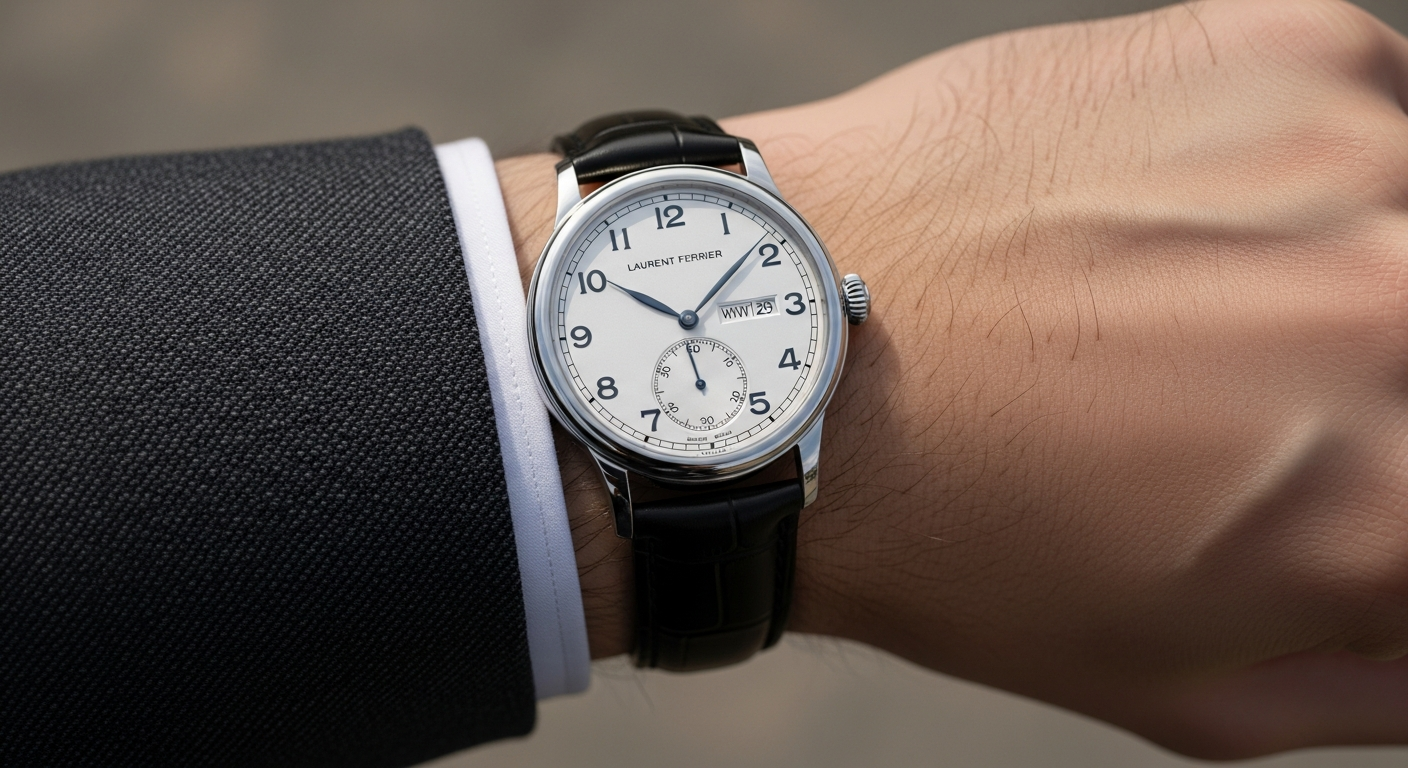
Laurent Ferrier and the Calm Intelligence of Curves
There are watches that announce themselves before you even read the name on the dial. They arrive with sharp edges, bright angles, a…
Read the essay ↗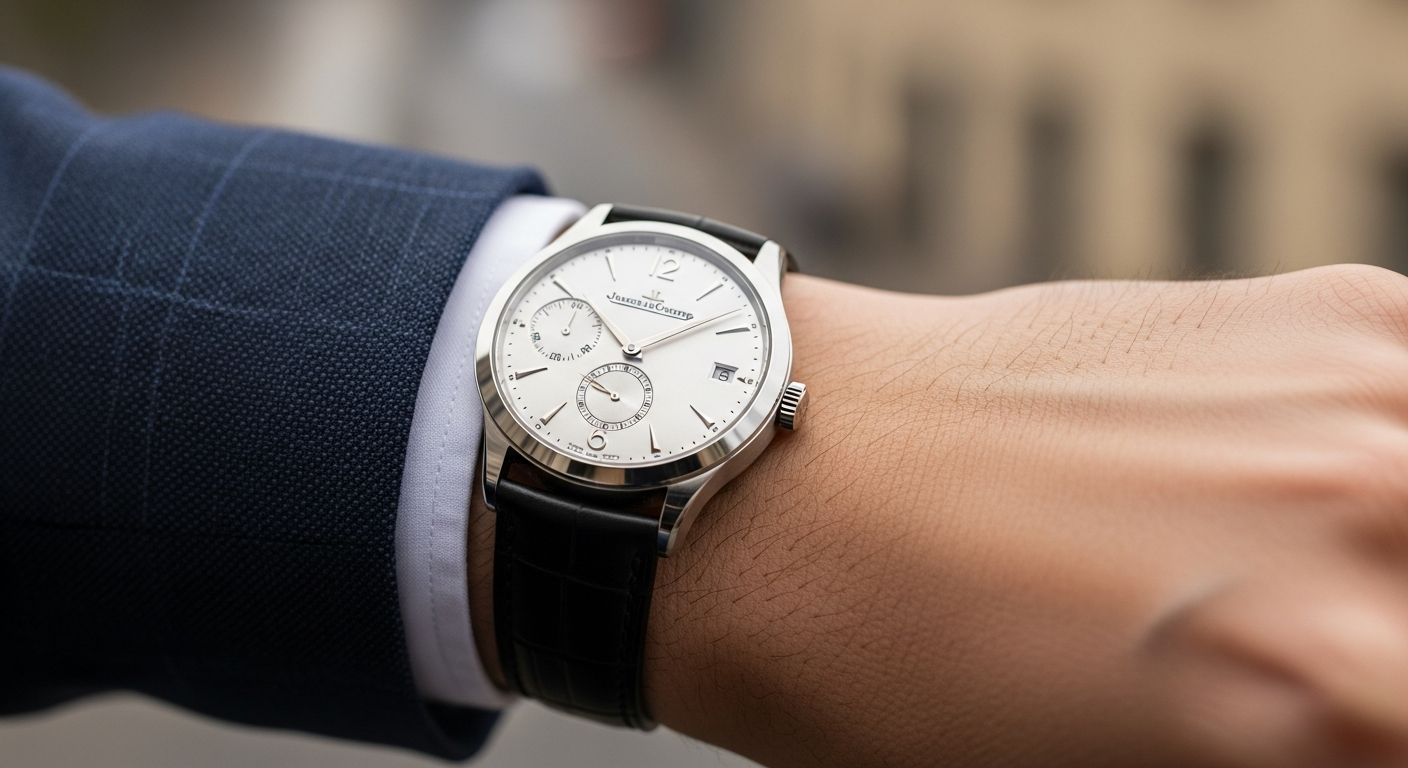
Jaeger-LeCoultre: Why the ‘Watchmaker’s Watchmaker’ Still Rules Quietly
There’s a particular kind of confidence you only notice when it isn’t trying to be noticed. It doesn’t announce itself with a billboard…
Read the essay ↗
In-House Movements vs Outsourced Calibers: Does It Really Matter?
There’s a particular kind of silence that falls over a watch boutique when someone asks the question that’s supposed to settle everything: “Is…
Read the essay ↗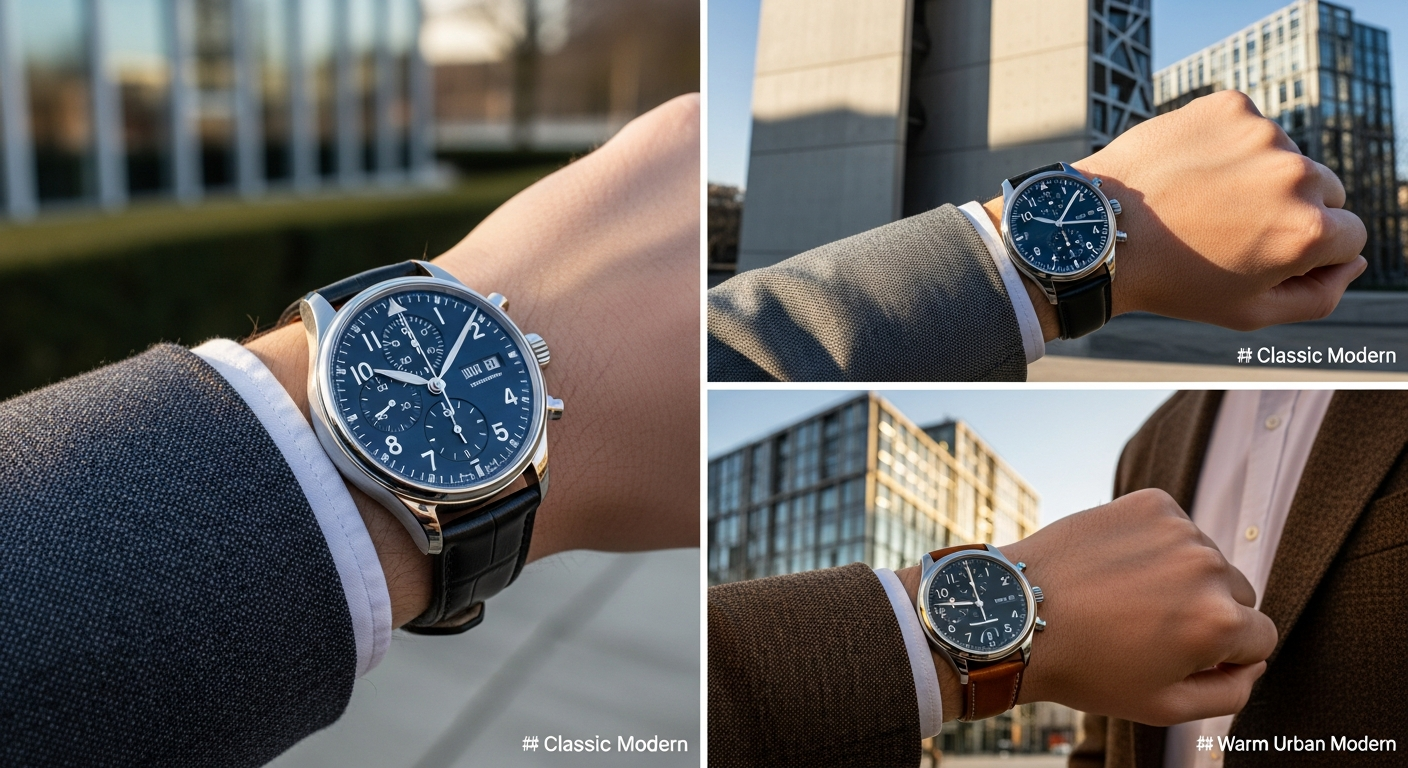
IWC Schaffhausen: Engineering-Driven Luxury for the Modern Gentleman
There are watch boutiques that feel like jewel boxes, all velvet hush and chandelier light, where timepieces sit like rare birds in glass…
Read the essay ↗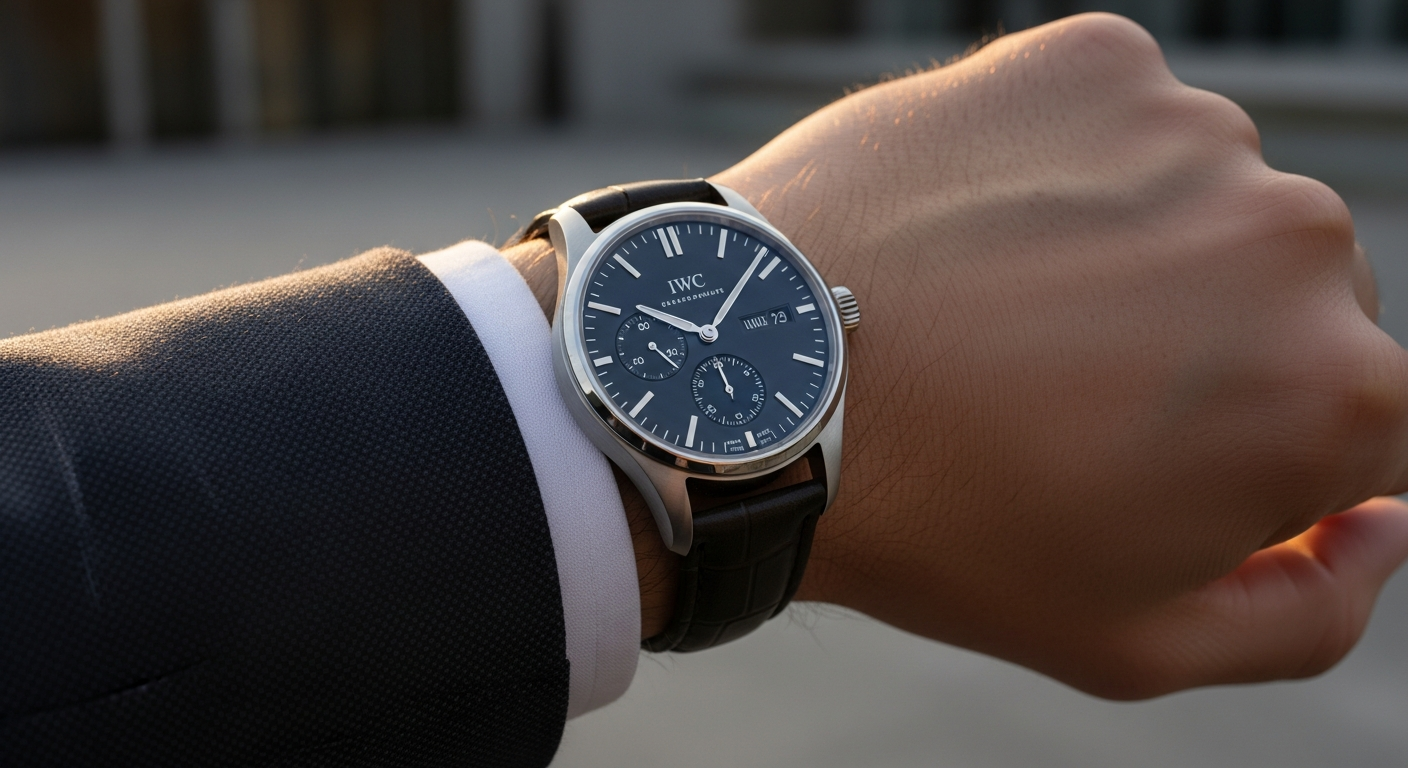
IWC Portugieser and the Return of the Oversized Idea
There’s a certain kind of size that doesn’t shout. It doesn’t behave like a billboard wristwatch from the era when “bigger” was treated…
Read the essay ↗
Hamilton: The Swiss-American Watchmaker with Hollywood DNA
There’s a particular kind of magic in objects that have lived more than one life. Not the forced, museum-glass kind of reverence, but…
Read the essay ↗