
Independent Horology · Timepieces
Timepieces
Close reading of individual watches — movements, design languages, and the decisions behind them.
The collection · 111 essays
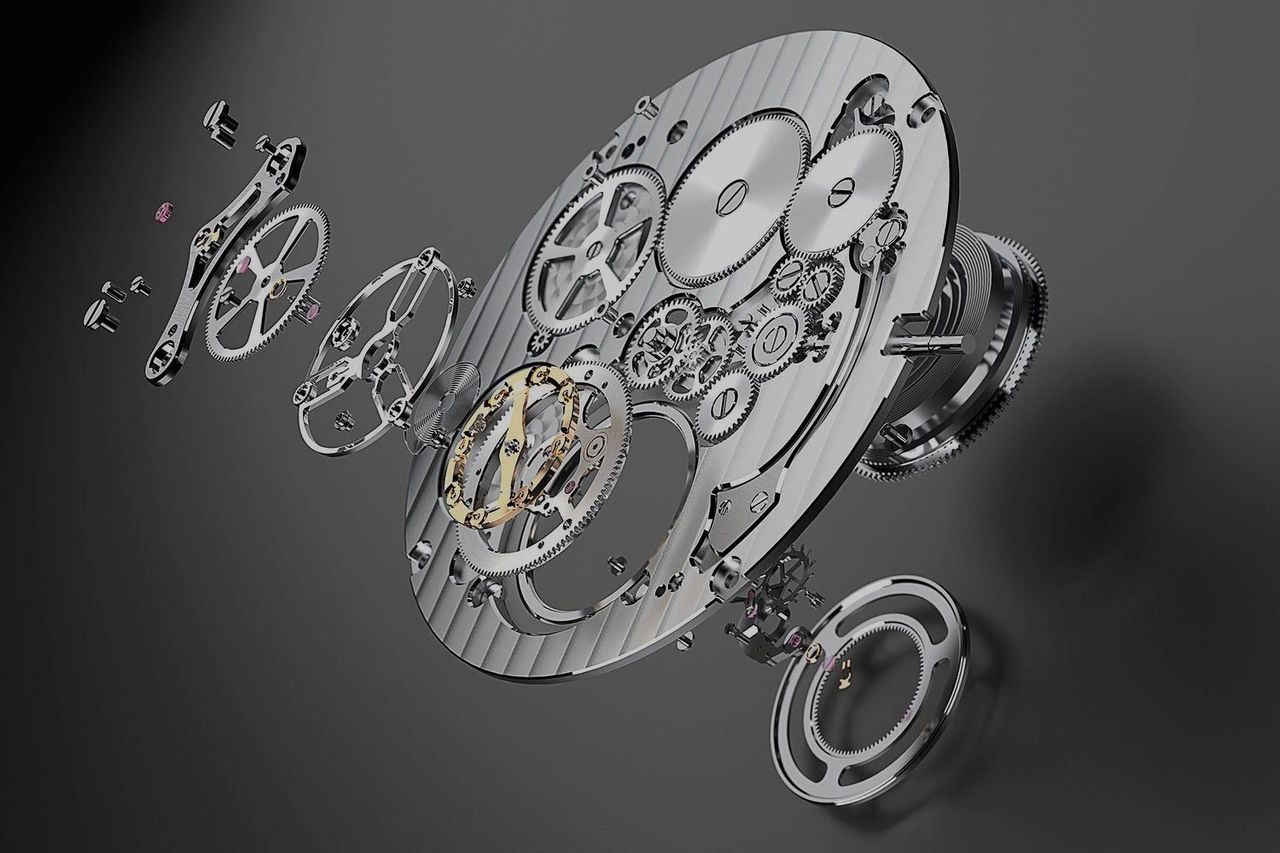
What Makes Mechanical Watches Move?
At first glance, a mechanical watch appears simple. The hands move.The seconds sweep.Time passes. But nothing in a mechanical watch moves accidentally. Every…
Read the essay ↗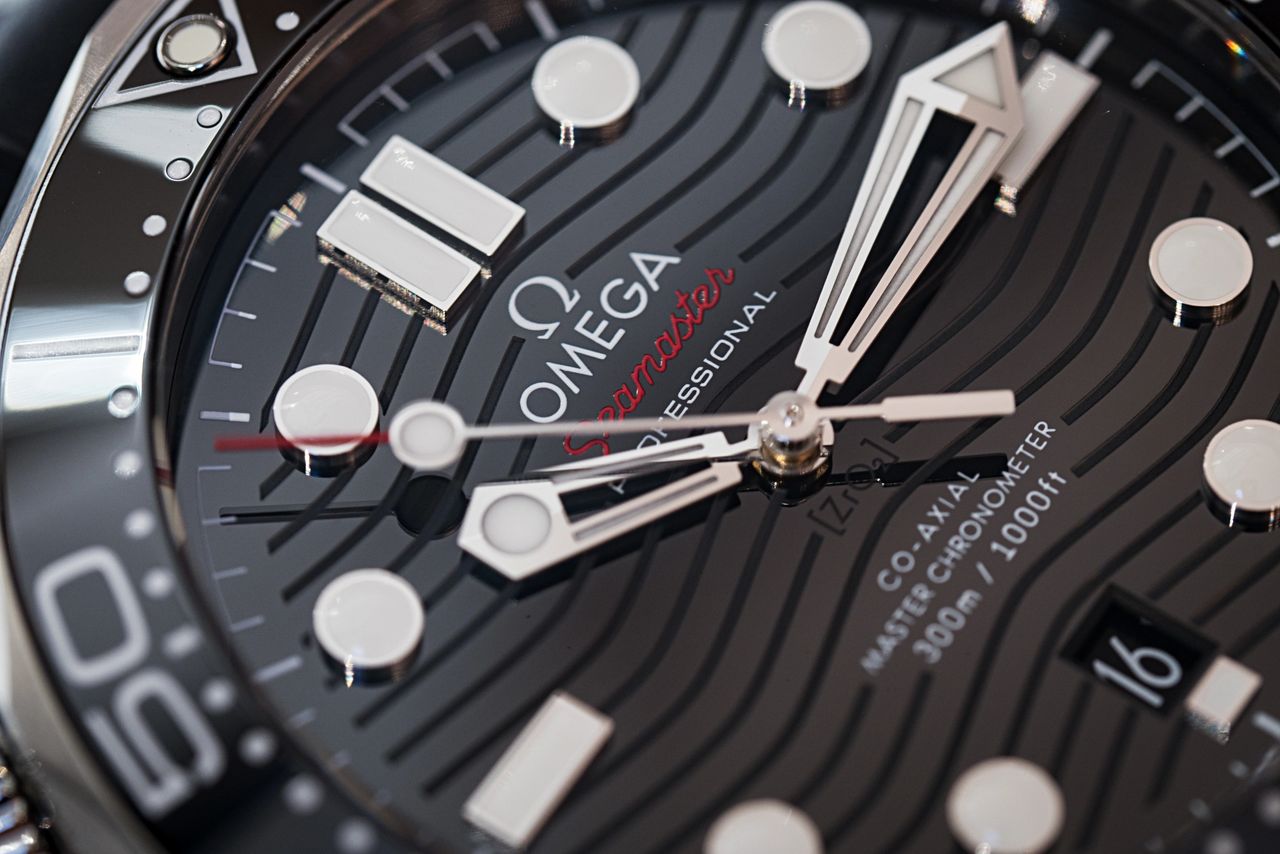
Omega and the Discipline of Being Proven
Most watch brands tell you who they are. They explain their heritage.They justify their design choices.They narrate their importance. Omega did something different. It…
Read the essay ↗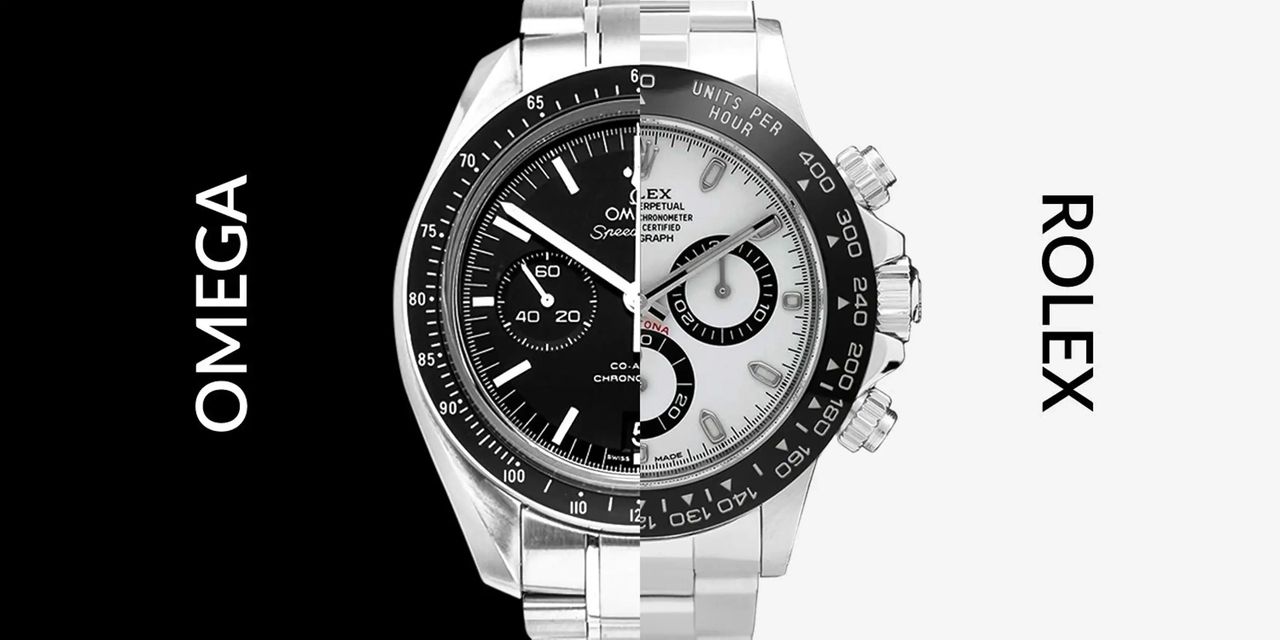
Rolex Daytona vs Omega Speedmaster: Two Ideas of Greatness
People often speak about the Daytona and the Speedmaster as rivals. They are not. They happen to share a complication — the chronograph…
Read the essay ↗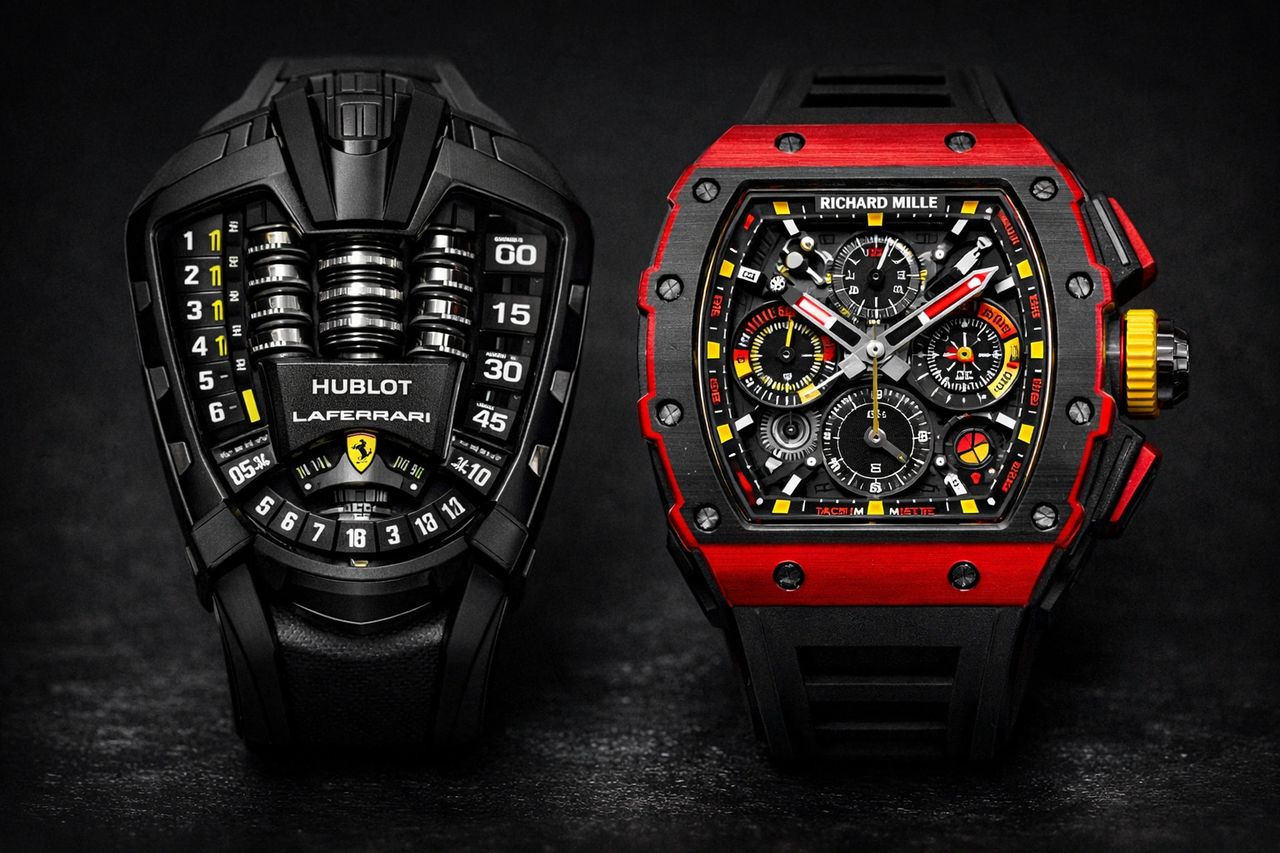
Two Ways to Wear a Ferrari, More Expensive than Driving One!
Only a few watches wear the weight of automotive identity as deliberately as those born from Ferrari collaborations. When Ferrari enters horology, it…
Read the essay ↗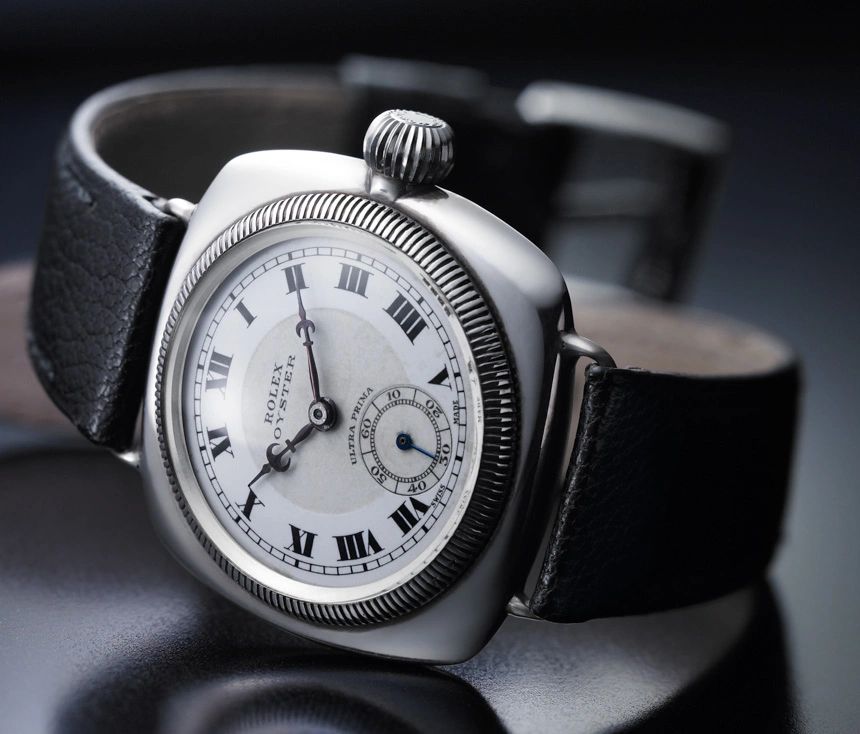
Why Rolex Stays Ahead in the Watch Wars?
Long before watch collecting became a pastime, before brand loyalty turned into tribalism, and before mechanical watches became objects of desire rather than…
Read the essay ↗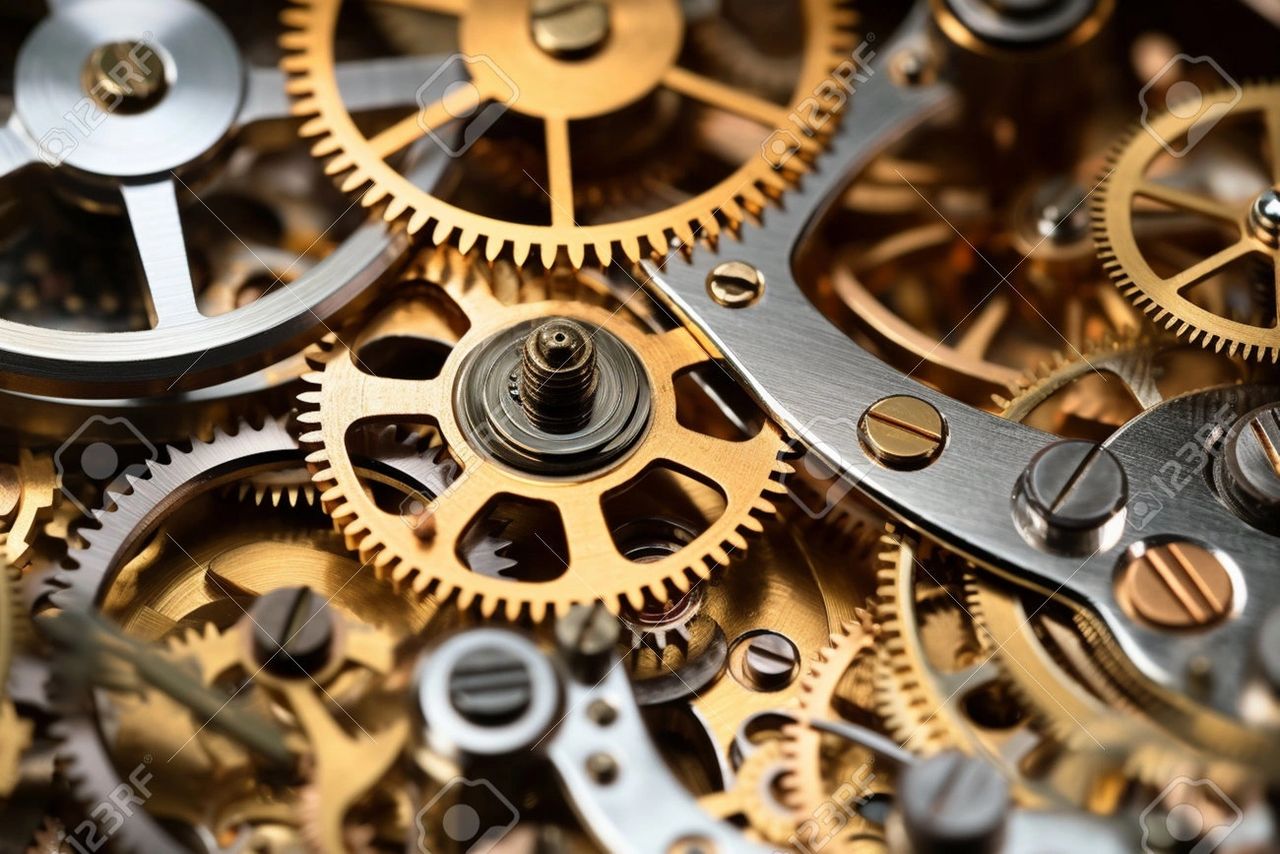
Why Mechanical Watches Refuse to Become Obsolete?
There was a time when the disappearance of mechanical watches seemed inevitable. Quartz watches were cheaper, more accurate, and required no care. Then…
Read the essay ↗
The Illusion of Innovation in Modern Watchmaking
Innovation is the most comfortable word in modern watchmaking. It appears everywhere — in press releases, launch events, brand manifestos, and collector debates.…
Read the essay ↗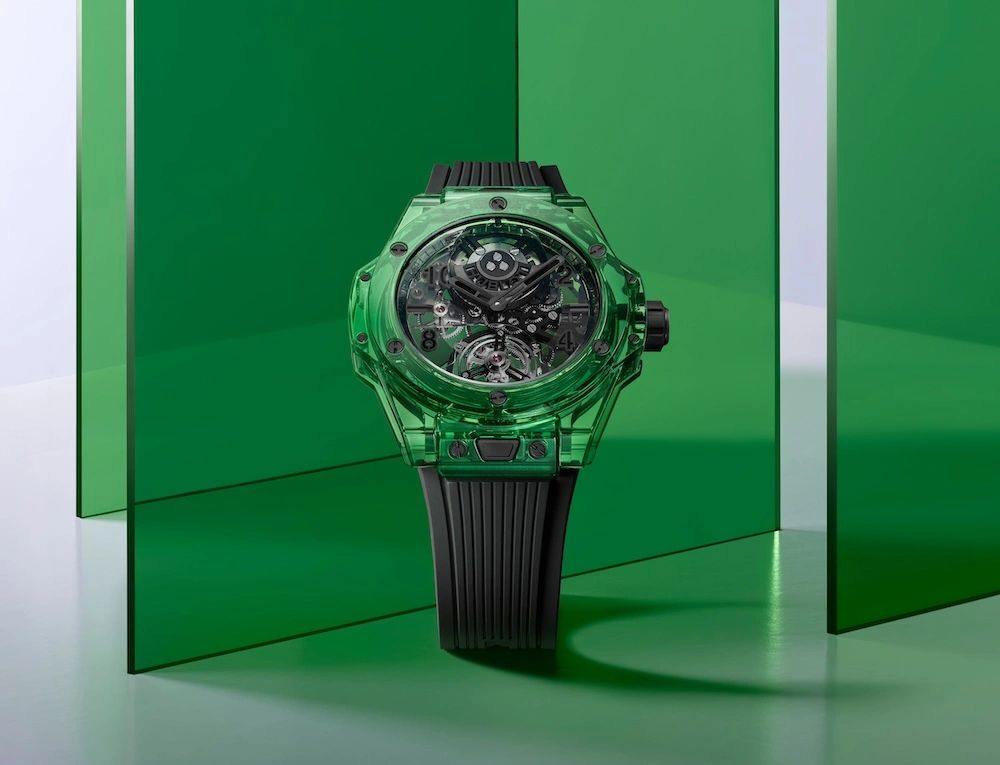
The Sanity Hublot Brings to Watches.
Few watch brands provoke reactions as instinctive as Hublot. Admiration and dismissal arrive quickly, often without reflection. For some, Hublot represents everything modern watchmaking…
Read the essay ↗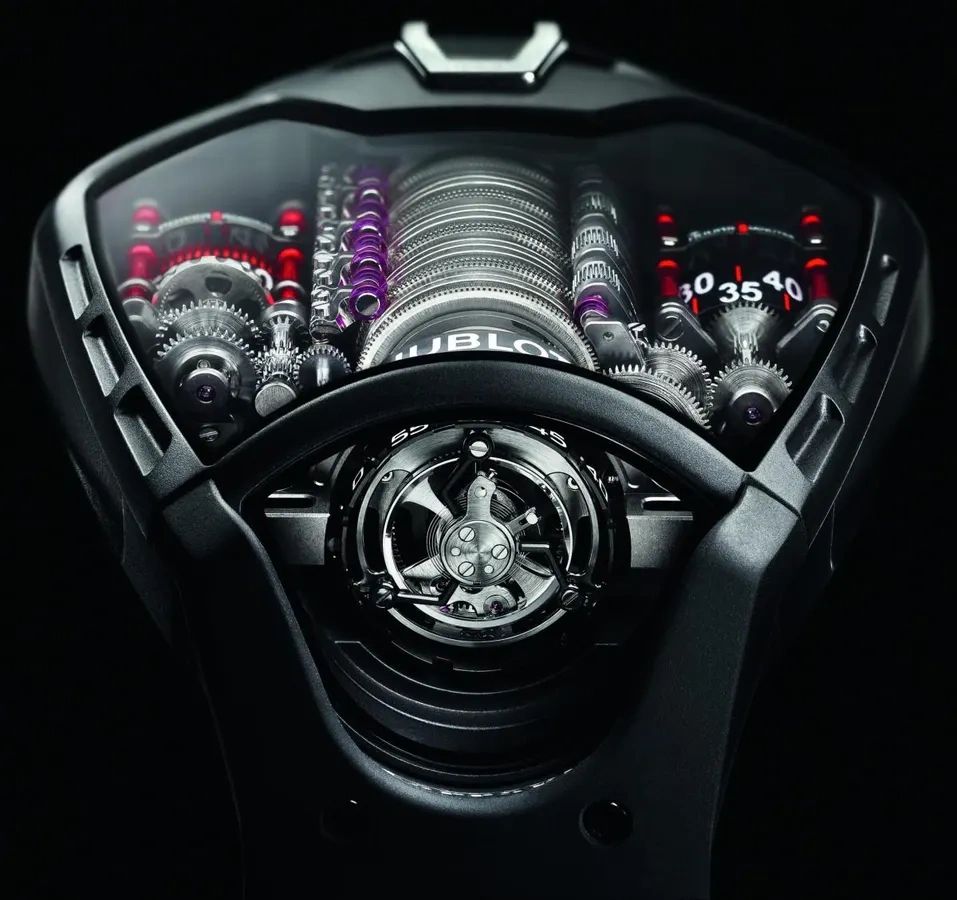
No, this is not a toy. And it certainly isn’t a car.
The Hublot La Ferrari does not attempt to be subtle, and it makes no apologies for that. From the moment it comes into…
Read the essay ↗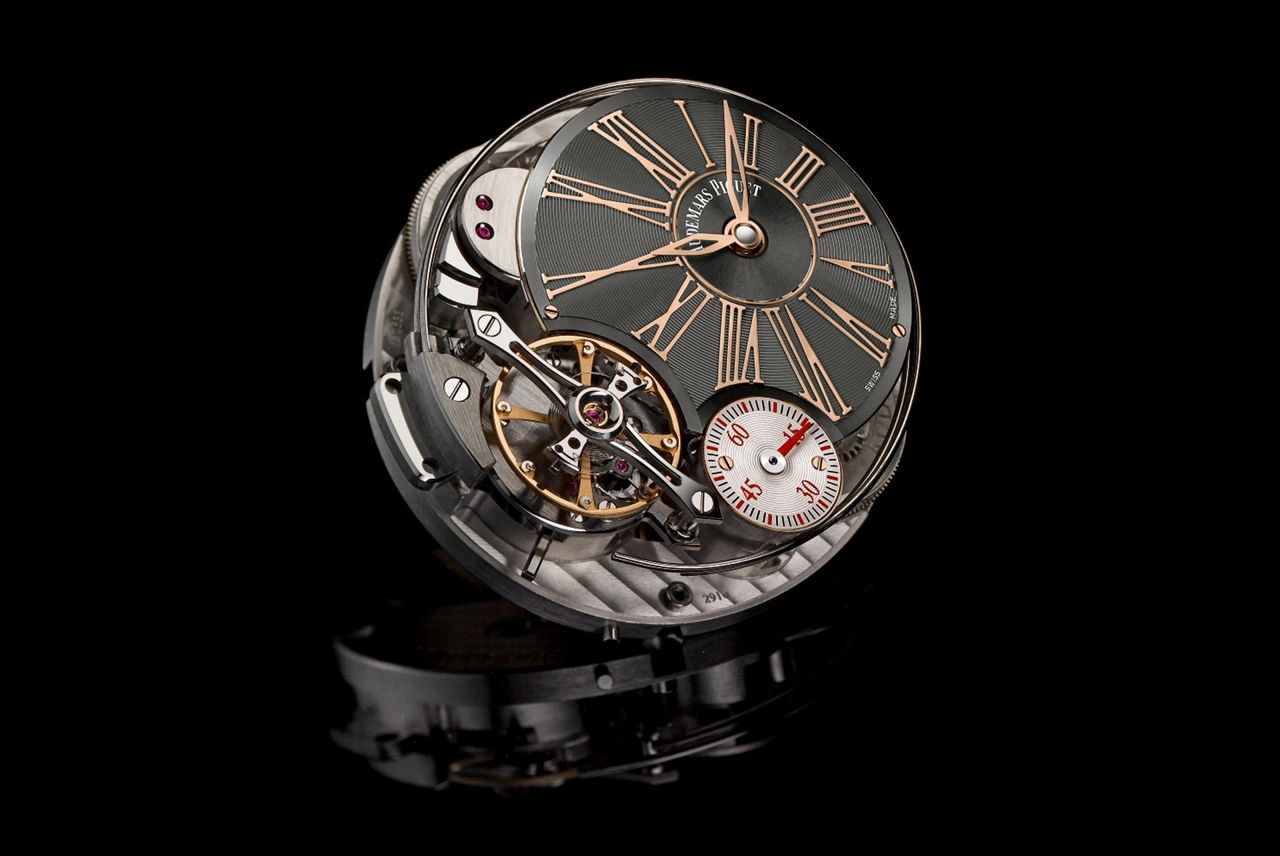
How Audemars Piguet Quietly Took Control of Modern Watchmaking?
In modern watchmaking, most brands are busy proving something. Proving relevance.Proving innovation.Proving heritage still matters. Audemars Piguet is doing something else entirely. It’s waiting.…
Read the essay ↗