
Independent Horology · Timepieces
Timepieces
Close reading of individual watches — movements, design languages, and the decisions behind them.
The collection · 111 essays

Why Rado Is Still Not at the Helm?
In conversations about the leaders of mechanical watchmaking, the same names tend to surface repeatedly. Brands known for grand complications, historic movements, and…
Read the essay ↗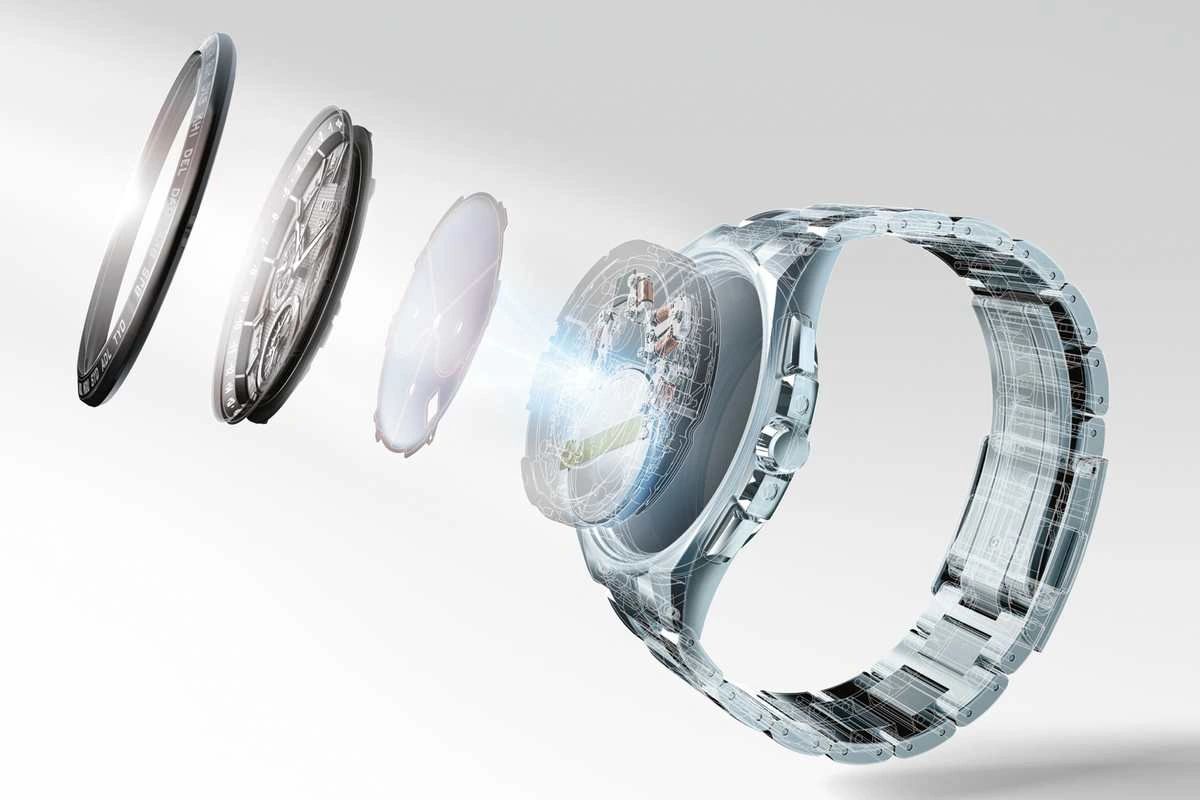
Citizen and the Engineering Ethics of Self-Sufficiency
The Watch That Refuses to Depend! Most watches, even the finest ones, quietly ask something from their owners. They ask to be wound.They…
Read the essay ↗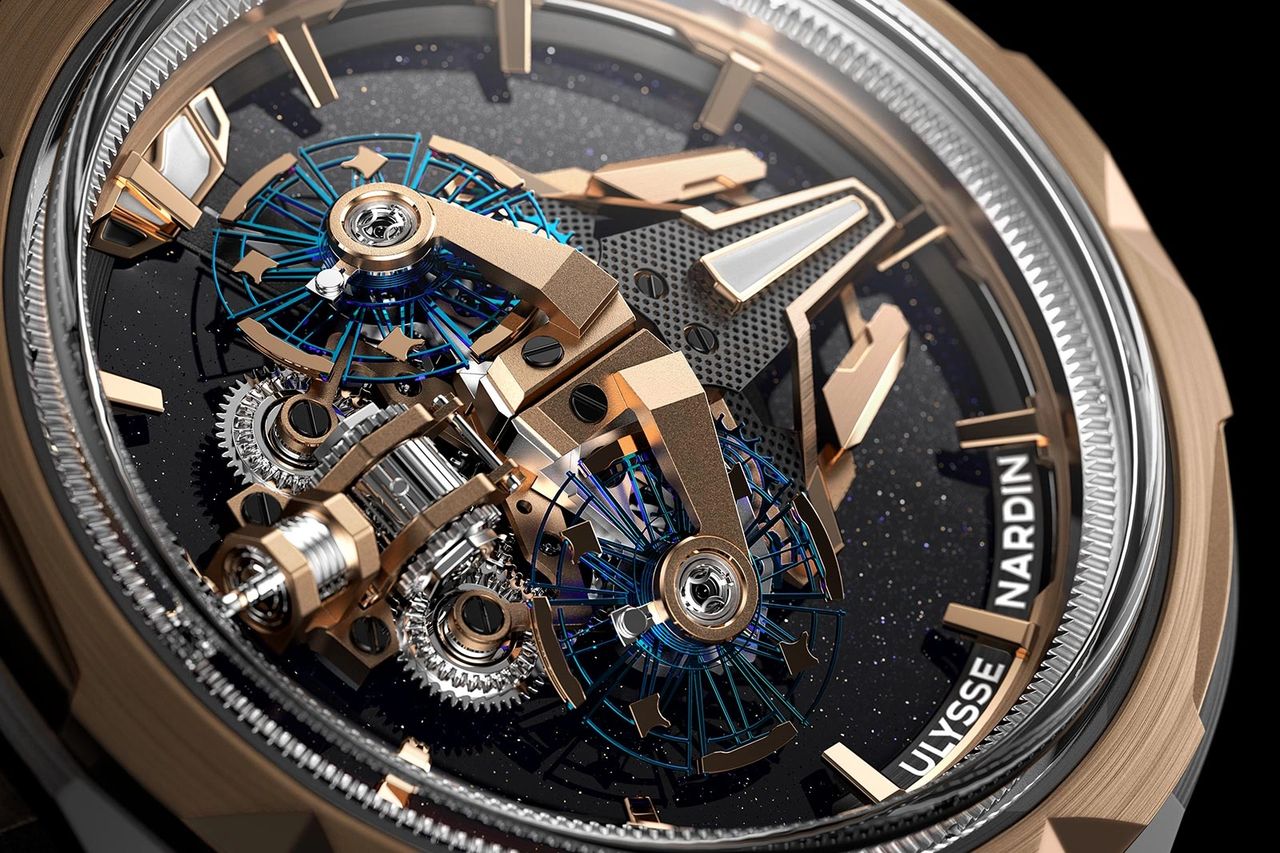
Ulysse Nardin and the Sea That Still Moves Its Watches
Long before wristwatches became expressions of taste, they were instruments of consequence. In the age of ocean navigation, timekeeping was not a matter…
Read the essay ↗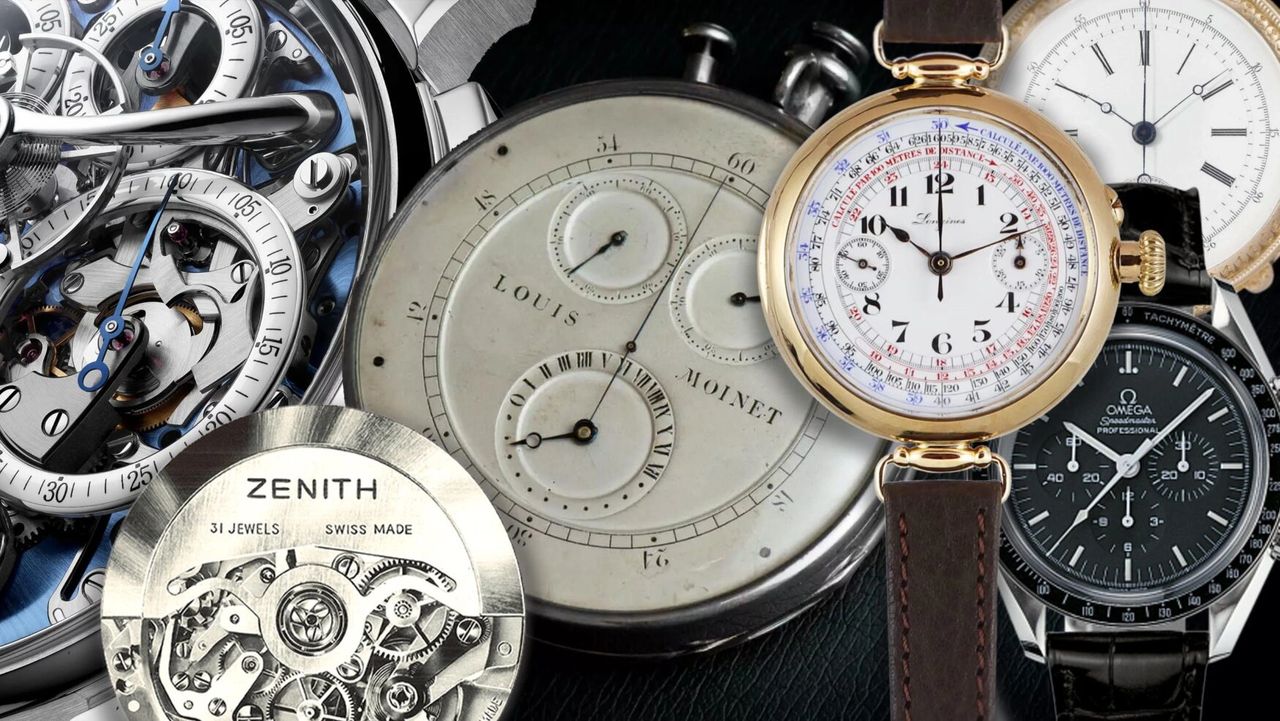
Why Chronographs Took Over the Watch World?
When Measuring Time Became More Important Than Showing It? For much of watchmaking history, a watch had a single responsibility: display the time…
Read the essay ↗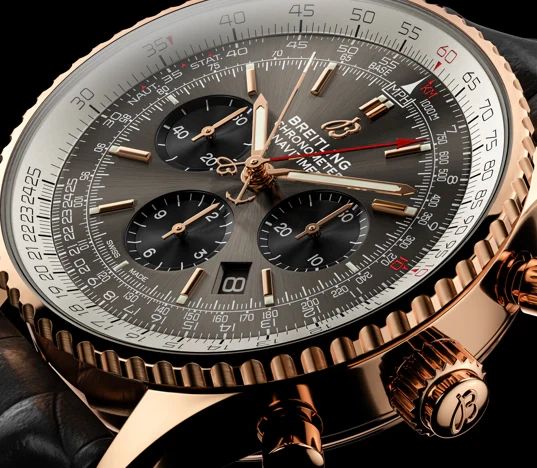
Breitling and the Love of Flying!
Before aviation became routine, it was an act of courage. Early pilots did not fly with automated navigation systems, digital displays, or satellite…
Read the essay ↗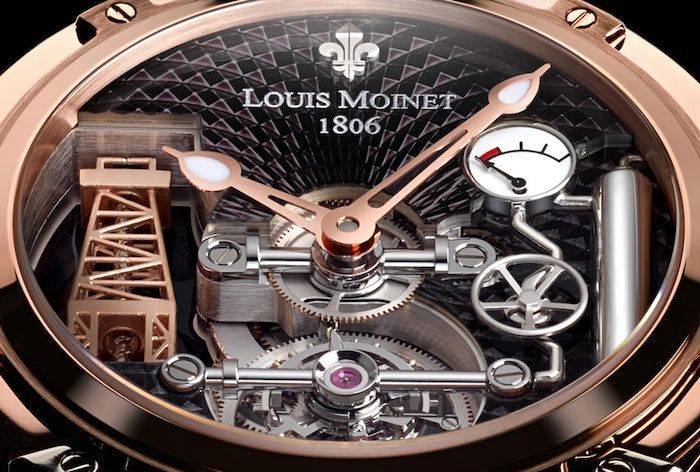
Louis Moinet Watches—When Chronographs Became Mechanical Theatre!
Some watches hide their complexity beneath the dial.Others quietly reveal glimpses of their mechanics through casebacks or skeletonized openings.Louis Moinet watches take a…
Read the essay ↗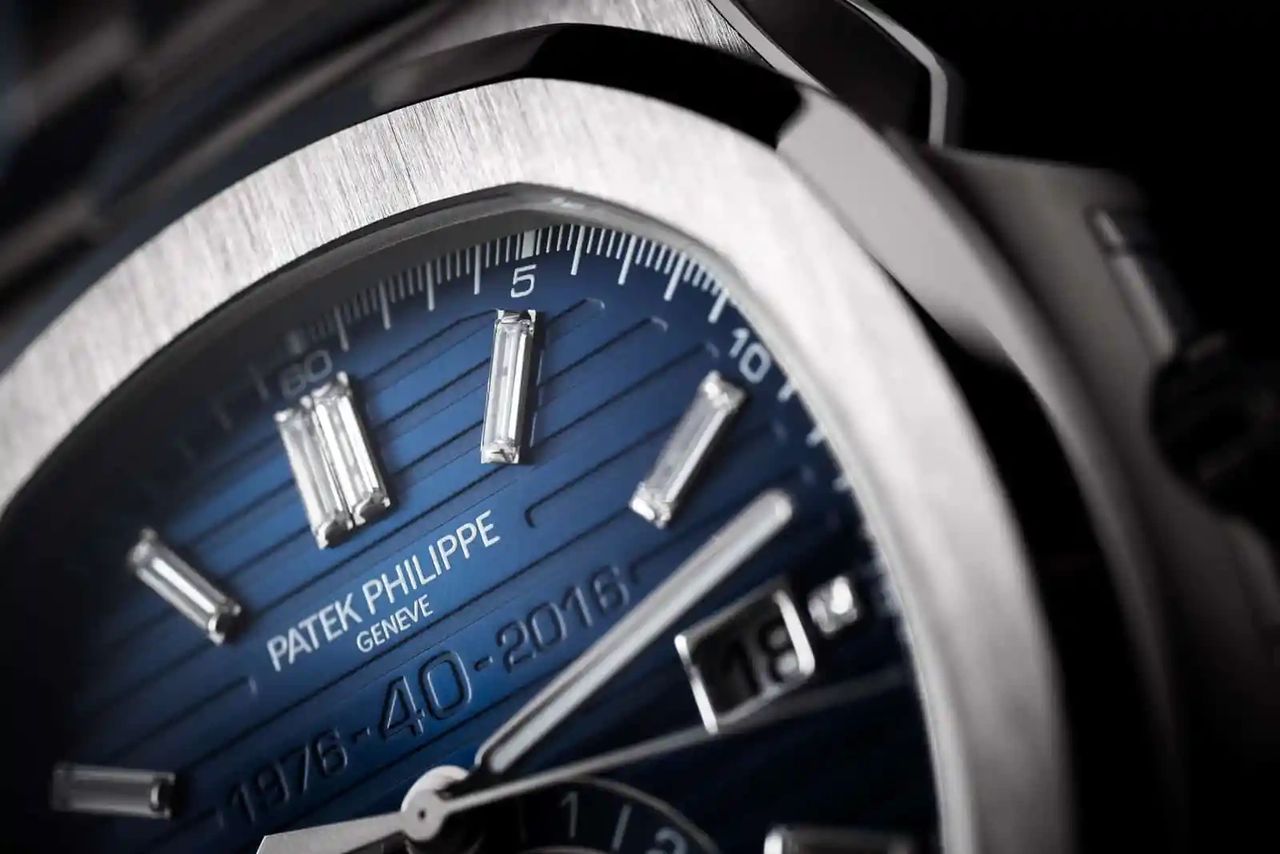
Patek Philippe and the Idea of Time That Outlives Us.
In 1925, a wristwatch was built that did something extraordinary: it knew the calendar decades into the future. It knew when February would…
Read the essay ↗
Why Panerai Is Luxury in Simplicity?
Luxury is usually explained through addition. More complications.More materials.More finishing.More stories layered on top of stories. Panerai took a different path — and for…
Read the essay ↗
Watches That Celebrate Indian Valour
Valour is rarely loud. It does not announce itself. It does not demand recognition. It exists in decisions made under pressure, in discipline…
Read the essay ↗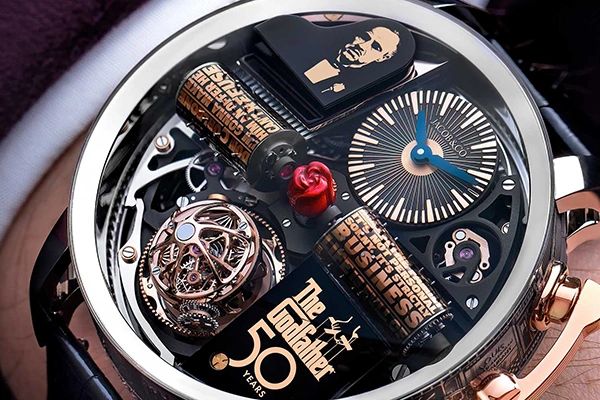
Jacob & Co. and the Courage to Treat Watches as Spectacle
Most watch brands want to be taken seriously. They speak in careful tones. They reference heritage. They reassure collectors that their watches are…
Read the essay ↗