Why Chronographs Took Over the Watch World?
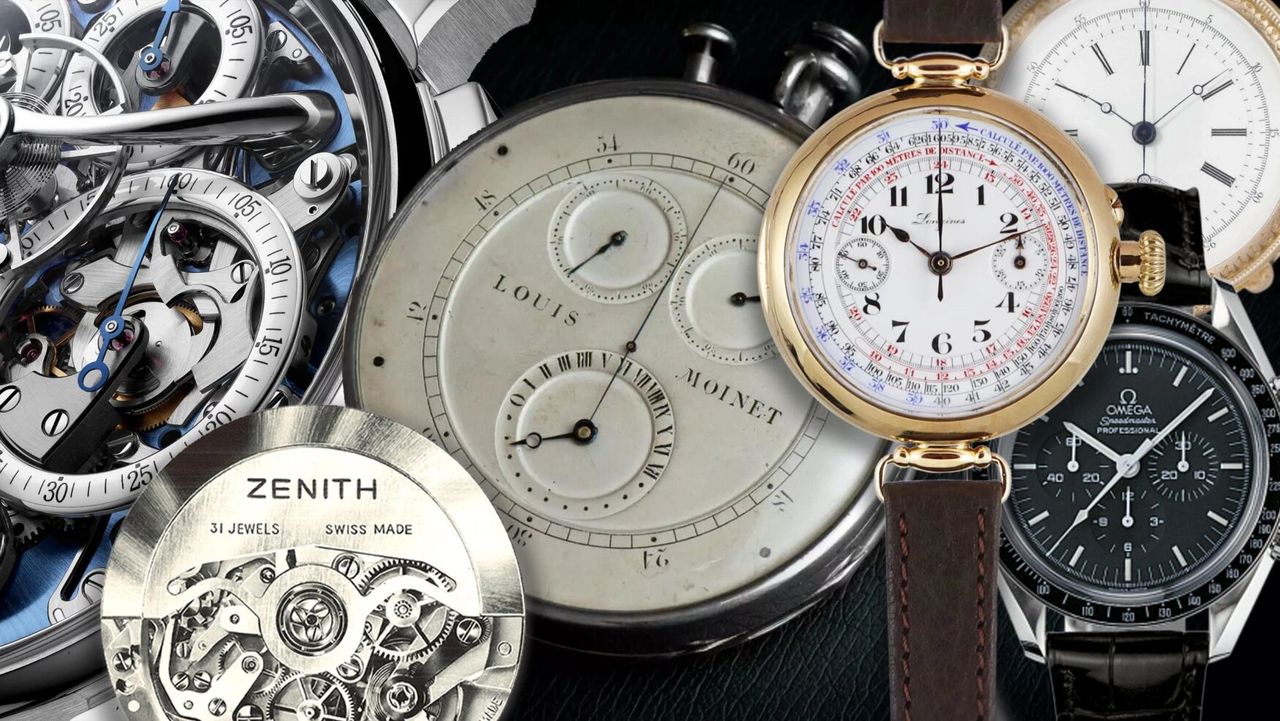
When Measuring Time Became More Important Than Showing It?
For much of watchmaking history, a watch had a single responsibility: display the time clearly and reliably. Hours, minutes, and eventually seconds were enough. Precision mattered, but interaction did not. A watch was something you read, not something you operated.
The arrival of the chronograph changed that relationship permanently.
Suddenly, a watch could do more than show time — it could capture it. It could measure speed, duration, distance, laps, or critical intervals. Pilots timed navigation legs, engineers measured production processes, doctors counted heartbeats, and racing drivers tracked performance. The chronograph transformed the wristwatch from a passive display into an active instrument, and that transformation reshaped the entire industry.
The popularity of chronographs was not driven by fashion at first. It was driven by usefulness. But over time, usefulness evolved into identity, and identity evolved into obsession.
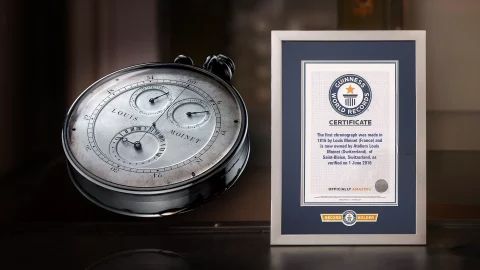
The Moment Watches Became Tools of Action
Chronographs gained prominence during the early and mid-20th century, when aviation, motorsport, and industrialization demanded accurate short-interval timing. Wristwatches were no longer just personal accessories — they became operational equipment. Timing an aircraft maneuver, a racing lap, or a medical procedure required precision that ordinary watches could not provide.
The pushers on the side of a chronograph introduced something new to watch ownership: control. Instead of observing time passively, the wearer could start, stop, and reset measurement at will. This simple act of interaction created a psychological shift. The watch was no longer merely keeping time; it was helping the wearer manage events within time.
That subtle shift changed how watches were perceived. Complications that allowed interaction felt modern, technical, and purposeful. As industries grew more dependent on precise timing, the chronograph naturally became the watch that represented progress.
Design That Changed the Face of Watches
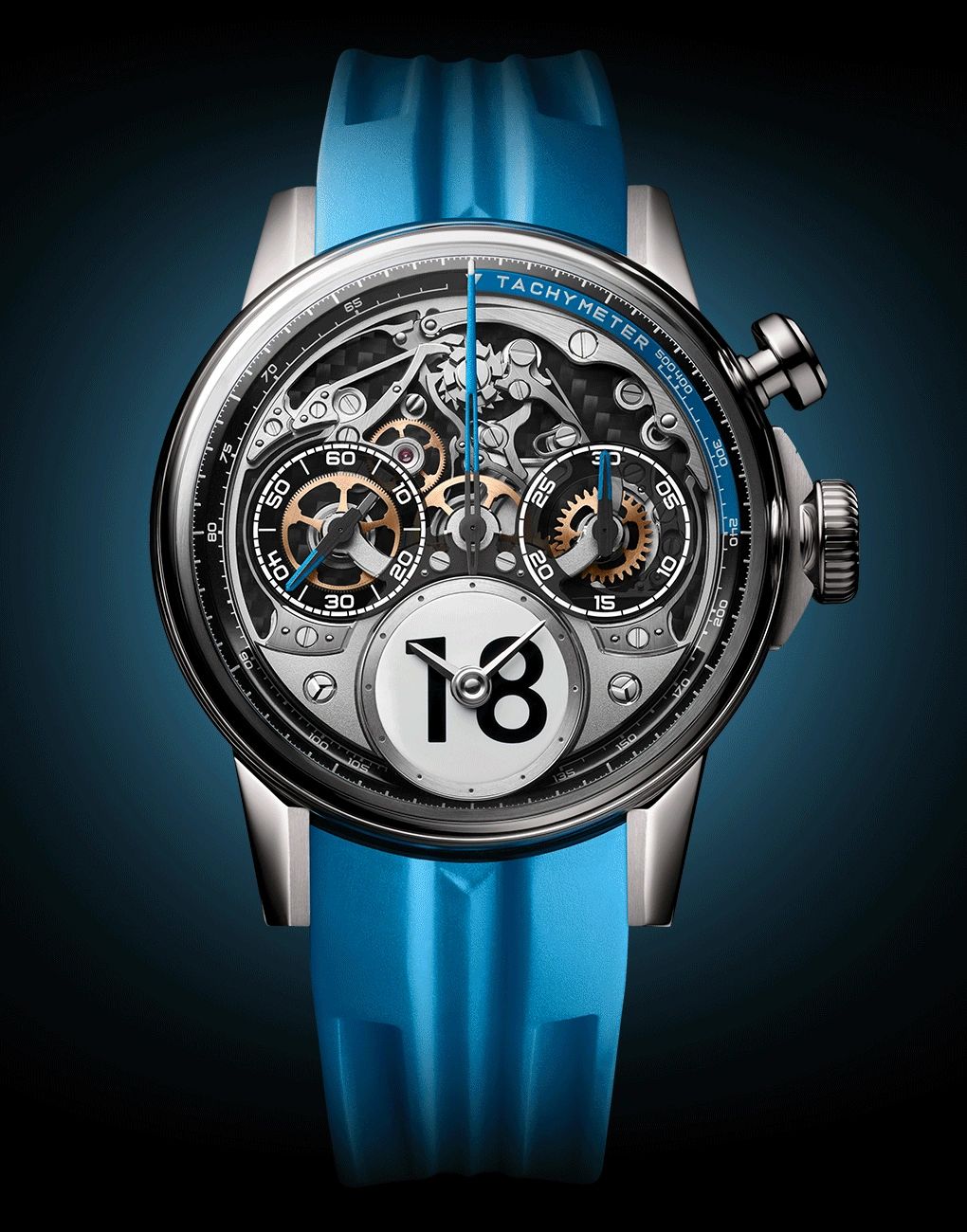
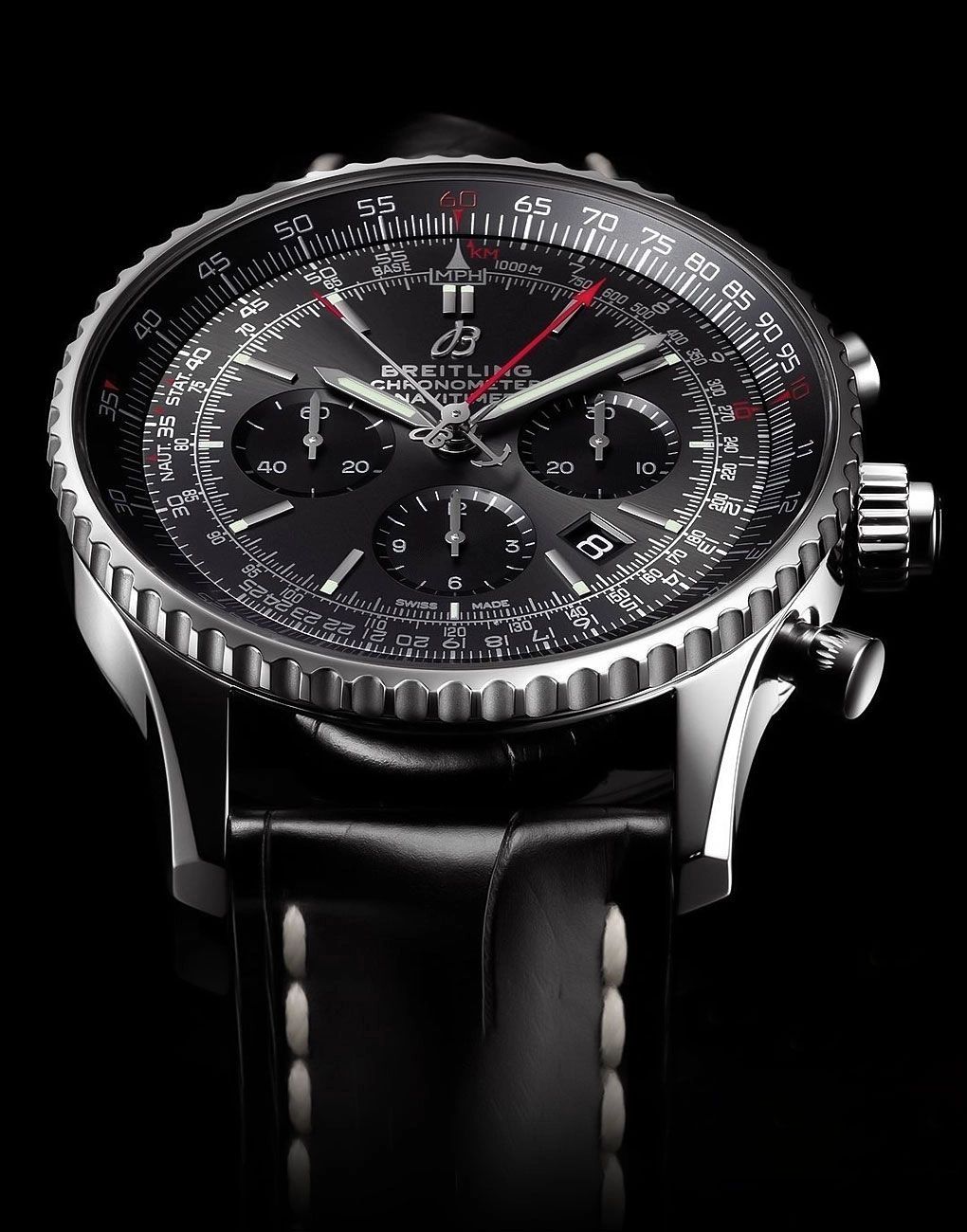
As chronographs spread, they introduced one of the most recognizable visual signatures in watchmaking: sub-dials. Multiple registers created a layered dial architecture that looked technical, purposeful, and visually compelling. Pushers added symmetry to the case, while tachymeter scales, telemeters, and pulsometer markings gave the watch an instrument-like appearance.
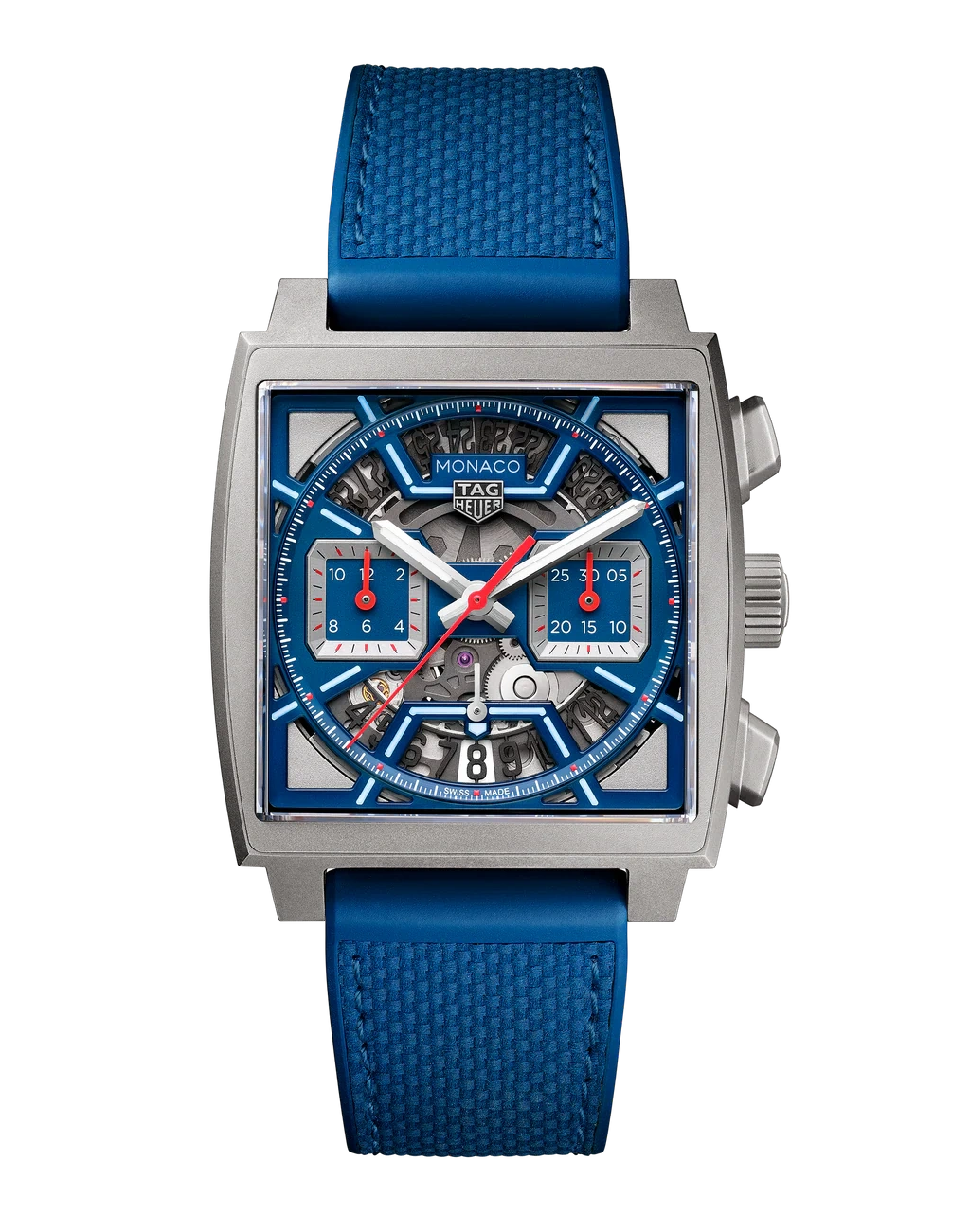
Some of the most visually celebrated watches in history emerged from this functional necessity. The Omega Speedmaster, Rolex Daytona, Heuer Monaco, and Zenith El Primero were not initially icons because of styling alone. They became icons because their design language communicated capability. Their appearance told the wearer — and everyone else — that the watch could do more than tell time.
Chronographs brought complexity to the dial without losing clarity, and that balance proved irresistible. Even people who never used the stopwatch function were drawn to the visual depth and mechanical presence the complication created.
The Mechanical Achievement Behind the Appeal
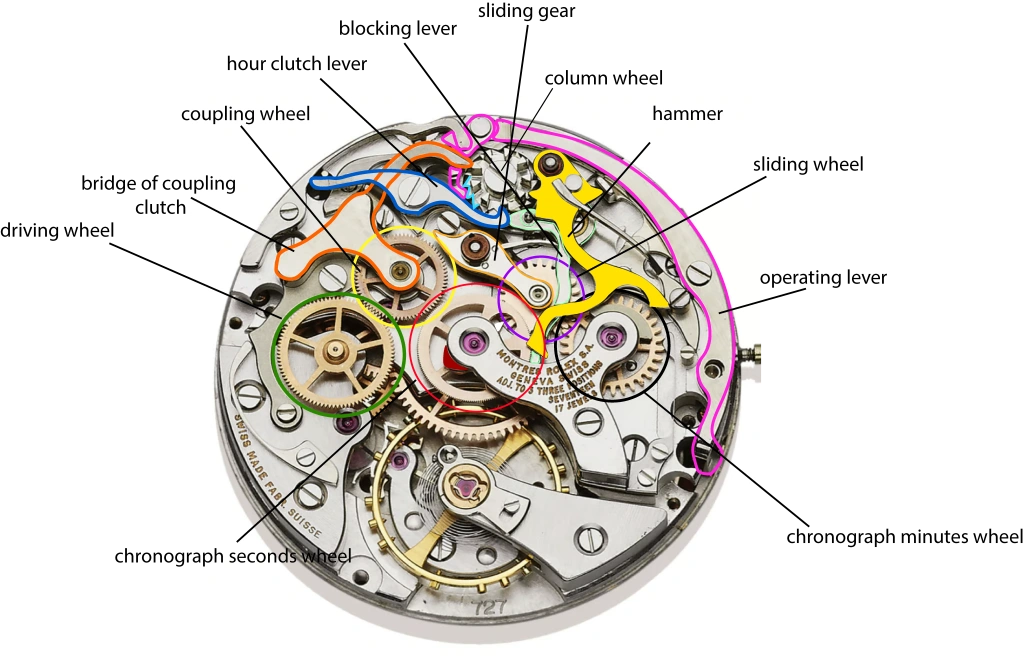
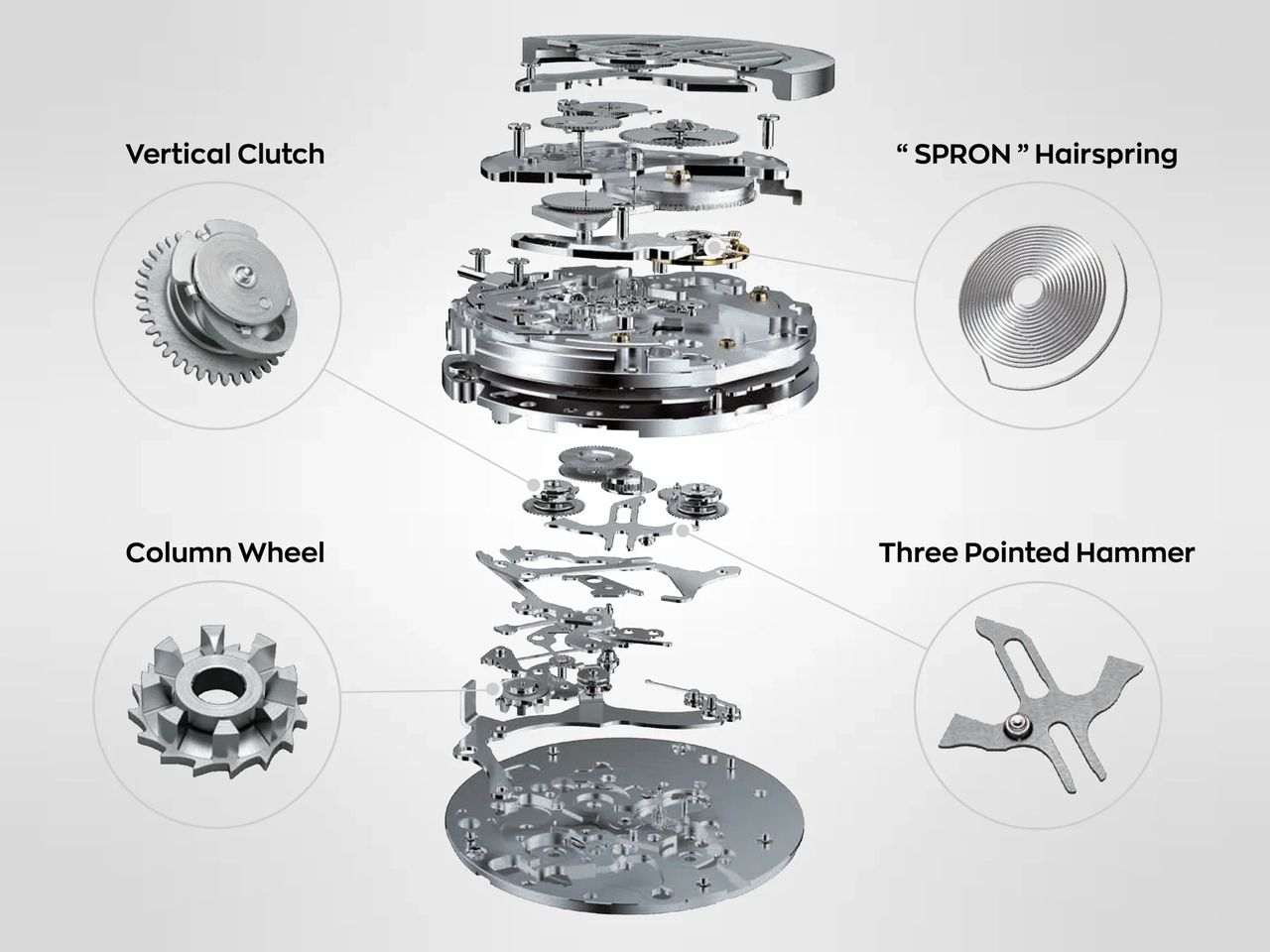
Behind the visual appeal of chronographs lies one of the most sophisticated mechanical challenges in watchmaking. Activating a chronograph requires additional gear trains, clutches, levers, and control systems that must operate without disturbing the base timekeeping mechanism. Starting the chronograph should not disrupt accuracy. Resetting it should return all hands instantly to zero. Stopping it should freeze measurement precisely.
Achieving this mechanical choreography demands extraordinary engineering. Column wheels, vertical clutches, and precisely coordinated components work together to ensure smooth operation. The wearer presses a simple button, but inside the watch dozens of parts engage simultaneously, transferring energy and coordinating movement without hesitation.
This invisible mechanical drama contributed heavily to the chronograph’s prestige. It represented watchmaking at its most intricate — not merely keeping time, but managing time dynamically.
Chronographs as Symbols of Speed and Modernity
The rise of motorsports, aviation, and space exploration further cemented the chronograph’s cultural dominance. These were industries defined by measurement: lap times, flight durations, mission intervals. The watches associated with these activities became symbols of performance itself. Wearing a chronograph was no longer just practical; it signaled participation in a modern, technological world.
This symbolic association transformed the chronograph into something more than a complication. It became an identity marker — the watch of engineers, racers, pilots, and professionals whose work depended on precise timing. Even as digital timing instruments emerged, the mechanical chronograph retained emotional authority because it represented the era when mechanical ingenuity drove technological progress.
Why Chronographs Remain Dominant Today
Today, most chronographs are rarely used for professional timing. Smartphones, onboard systems, and digital tools perform those tasks more accurately and conveniently. Yet the chronograph remains one of the most popular complications in watchmaking. The reason is not necessity — it is meaning.
Chronographs represent interaction. They remind the wearer that a mechanical watch can still be operated, controlled, and experienced rather than simply observed. They also represent complexity made visible: layered dials, mechanical pushers, and the knowledge that something intricate is happening beneath the surface.
Most importantly, chronographs carry history. They connect modern wearers to aviation cockpits, racetracks, laboratories, and early space missions — environments where time measurement mattered intensely. Wearing a chronograph is, in a sense, wearing a piece of that technological narrative.
How Chronographs Changed the Industry
Chronographs pushed watchmaking to develop more advanced manufacturing tolerances, stronger mainsprings, more stable escapements, and improved durability to handle additional mechanical stress. Entire generations of watchmakers refined their skills working on chronograph calibers, raising the technical capability of the industry as a whole. Even watches without chronograph functions benefited from these engineering improvements.
More importantly, chronographs redefined what people expected from wristwatches. After their introduction, watches were no longer judged only by accuracy and durability. They were judged by capability — what else they could do.
That shift opened the door for the modern era of complications, transforming watchmaking from pure time display into functional micro-engineering.
The Complication That Made Watches Dynamic
Chronographs took over the watch world not because they were the most necessary complication, but because they changed how people interacted with watches. They turned timekeeping into something active, measurable, and responsive. They introduced mechanical theatre — hands jumping into motion at the press of a pusher, measuring moments that mattered to the wearer personally.
In an age where most technology runs invisibly in the background, the chronograph remains one of the few mechanisms that invites direct participation. You start it. You stop it. You reset it. Each action reminds you that mechanical watchmaking is not only about precision, but about engagement.
That engagement is why chronographs continue to dominate collections, advertisements, and the imagination of enthusiasts. They are not just watches that show time. They are watches that capture it — and that simple idea changed the watch world forever.