Citizen and the Engineering Ethics of Self-Sufficiency
The Watch That Refuses to Depend!
Most watches, even the finest ones, quietly ask something from their owners.
They ask to be wound.
They ask to be serviced regularly.
They ask for attention, ritual, and maintenance.
These requests are often romanticized as part of the charm of watch ownership. They create involvement, a sense of connection between object and wearer. But beneath that romance lies a simple reality: most watches depend on you.
Citizen built its identity on a radically different question:
What if a watch did not need to depend on anyone at all?
This is not a technological question alone. It is an ethical one — an engineering philosophy centered on self-sufficiency, responsibility, and quiet reliability.
Engineering Without Ceremony
The introduction of light-powered watch technology was not designed to create spectacle. It did not exist to demonstrate complexity or innovation for its own sake. It solved a simple but persistent problem: dependency on disposable power sources.
Batteries run out.
Mechanical springs unwind.
External energy must constantly be supplied.
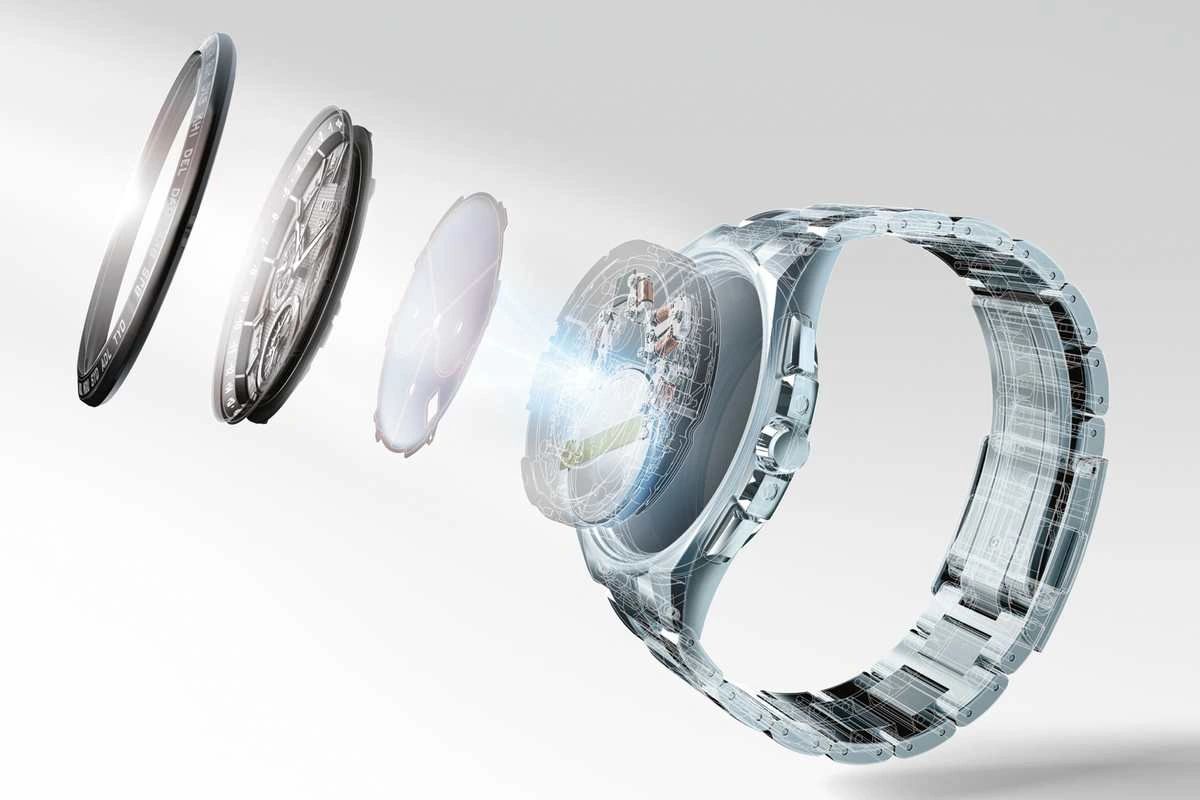
Citizen’s solar technology — most widely known through Eco-Drive — reframed the
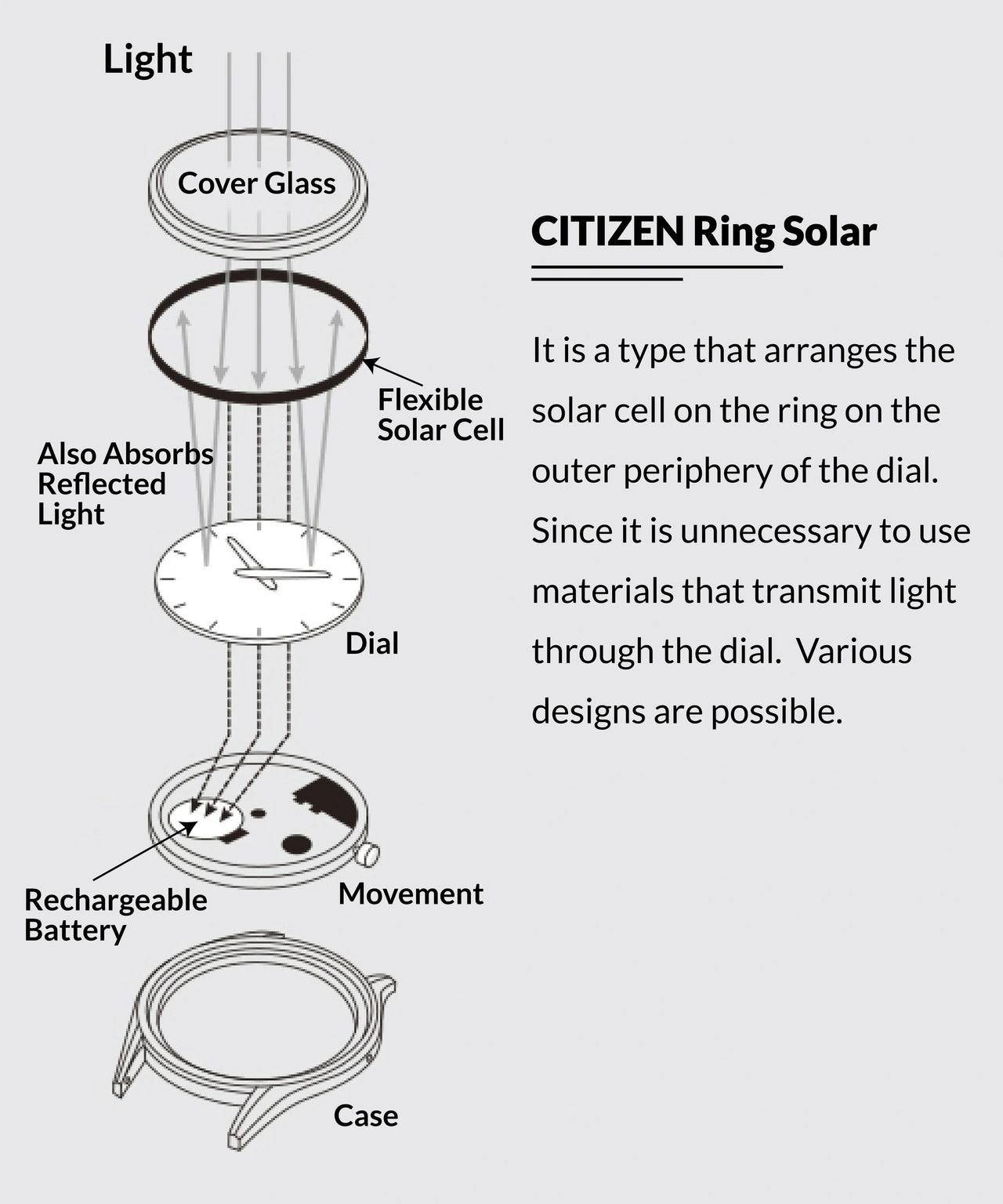
relationship between watch and wearer. Instead of requiring attention, the watch absorbs the ambient energy already present in daily life. Light becomes maintenance. Exposure becomes continuity.
The watch does not interrupt you to ask for care. It integrates itself into your environment and continues.
There is something deeply modern about this idea. Not modern in appearance, but in attitude. It reflects a belief that engineering should reduce friction between people and the objects they rely on.
The Quiet Radicalism of Reliability
Luxury watchmaking often celebrates complexity. More complications, more delicate finishing, more visible craftsmanship. Citizen rarely competes on those terms. Instead, it focuses on long-term stability — watches that continue working across years without intervention.
This philosophy can appear understated, even unromantic, in a world that prizes mechanical ritual. Yet it represents a subtle form of engineering radicalism. A self-sufficient watch challenges the assumption that ownership must involve upkeep anxiety. It suggests that precision does not need ceremony to be meaningful.
A watch that simply continues, day after day, month after month, without demanding attention, embodies a different definition of excellence — one rooted in responsibility rather than spectacle.
Time Without Interruption
There is also an environmental dimension to self-sufficient engineering. Disposable batteries, frequent replacements, and shortened product lifecycles create waste that often remains invisible to the wearer. Citizen’s solar technology was, at its core, a long-horizon decision: reduce dependency on consumables and extend functional life.
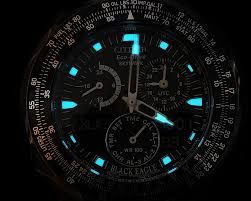
This approach mirrors a broader engineering ethic seen in fields far beyond watchmaking — systems designed to operate sustainably without continuous intervention. Satellites rely on solar arrays because maintenance is impossible. Remote scientific instruments depend on self-sustaining energy systems because access is limited. Citizen applied the same principle to everyday wristwatches.
The result is not glamorous, but it is quietly transformative: a watch designed not merely to measure time, but to endure it with minimal resource demand.
Confidence Without Ritual
Mechanical watch culture often celebrates the ritual of winding — a daily interaction that connects wearer and object. Citizen’s approach removes that ritual almost entirely. For some, this feels like a loss of romance. For others, it represents liberation: ownership without obligation.
There is confidence in a watch that does not need to remind you of its existence. It works whether you think about it or not. It performs its role in the background, allowing attention to remain on life rather than on maintenance. This quiet presence reflects a design philosophy more commonly associated with infrastructure than luxury — systems built to be trusted rather than admired.
Self-sufficiency, in this sense, becomes a form of respect. The watch respects your time by not asking for more of it.
Engineering Ethics in Everyday Objects
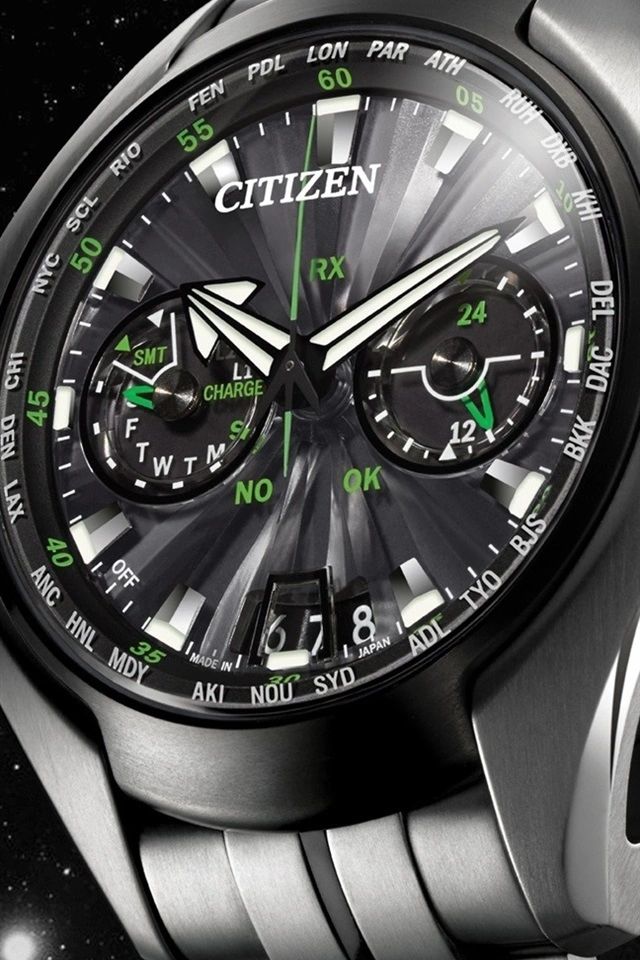
The idea of “engineering ethics” is rarely discussed in watchmaking, yet it becomes visible when we examine what a product demands from its user. Does it require constant intervention? Does it create avoidable waste? Does it introduce complexity where simplicity would suffice?
Citizen’s philosophy suggests that good engineering minimizes dependency. A watch should function reliably under normal conditions, adapt to the environment it inhabits, and avoid imposing unnecessary obligations on the person wearing it. This approach does not reject craftsmanship; it redefines responsibility.
Instead of asking, How impressive can this mechanism be? the question becomes, How seamlessly can this object serve its purpose for as long as possible?
A Different Kind of Luxury
Citizen’s watches are rarely positioned as luxury symbols in the traditional sense. Yet there is a compelling argument that self-sufficiency itself is a form of luxury — the luxury of not worrying about maintenance cycles, battery replacements, or sudden stoppages. Reliability, when sustained over years, creates a quiet trust that becomes more valuable than novelty.
This kind of luxury does not announce itself. It accumulates gradually. Each day the watch continues without interruption reinforces the original engineering promise. Over time, the absence of problems becomes its own statement of quality.
The Meaning of Self-Sufficient Time
In the broader landscape of watchmaking, Citizen occupies a unique philosophical position. Where mechanical traditions emphasize ritual, Citizen emphasizes continuity. Where luxury narratives focus on craftsmanship visibility, Citizen highlights long-term performance stability. Where many watches depend on periodic intervention, Citizen designs for independence.
This does not make one approach superior to another. It simply represents a different understanding of what a watch can be: not an object that asks for attention, but one that quietly supports the passage of time without interruption.
Self-sufficiency, in this context, is more than a technical achievement. It is an engineering value — a commitment to building systems that endure with minimal demand on the people who rely on them.
And in a world where many technologies compete relentlessly for our attention, a watch that asks for almost none may be one of the most thoughtful innovations of all.