Why Rado Is Still Not at the Helm?
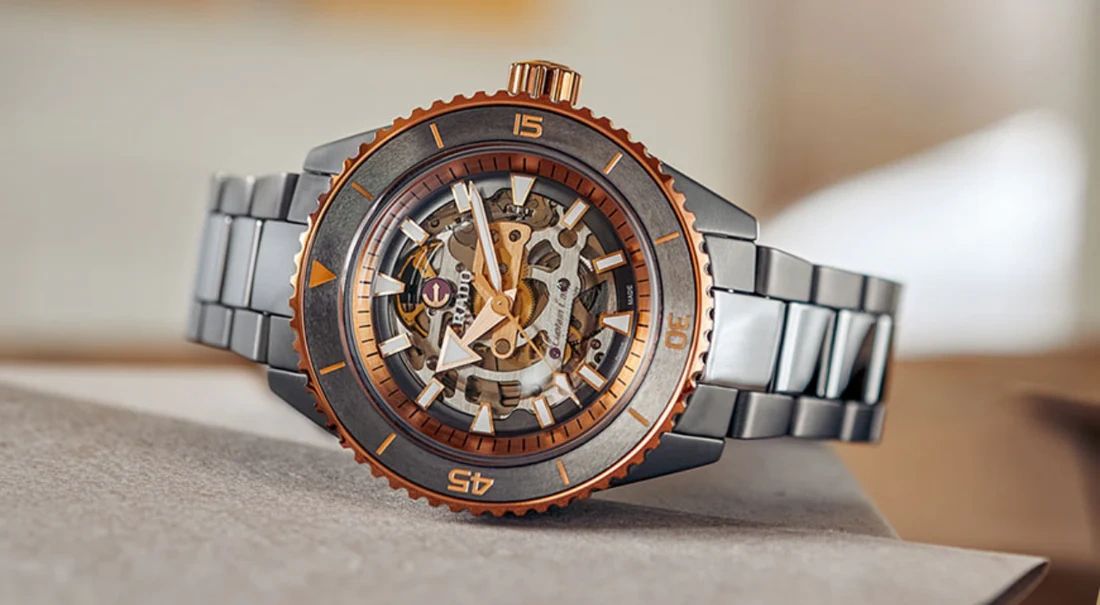
In conversations about the leaders of mechanical watchmaking, the same names tend to surface repeatedly. Brands known for grand complications, historic movements, and centuries-old prestige dominate the narrative. In that landscape, Rado occupies a curious position. It is respected, widely recognized, technologically innovative in materials, and commercially successful — yet it is rarely described as being “at the helm” of mechanical watchmaking’s highest tier.
The reason lies not in a lack of capability, but in a difference of historical direction.
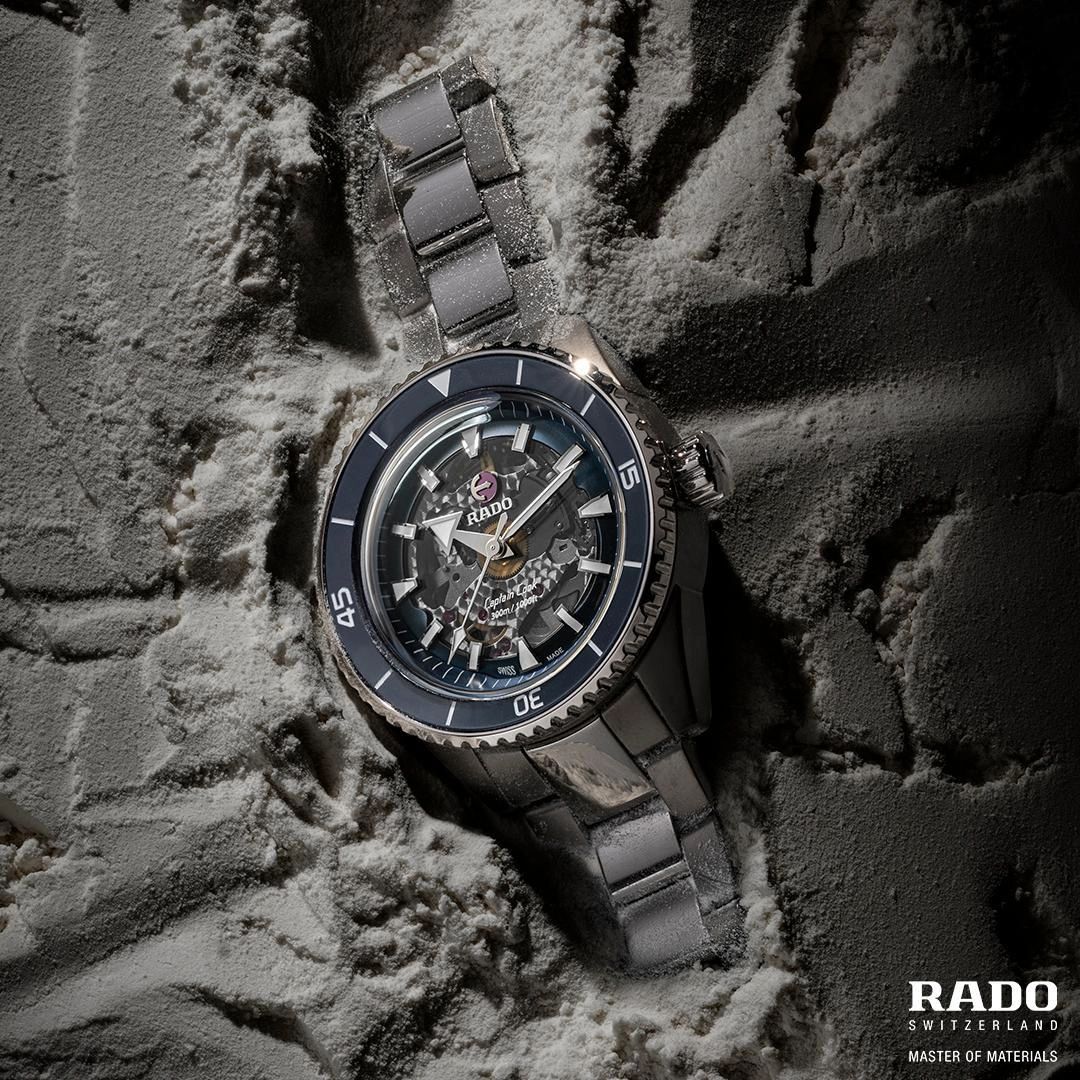
From its early decades, Rado chose to focus less on mechanical complication and more on materials engineering. While many traditional houses built their reputations around perpetual calendars, minute repeaters, and chronograph innovations, Rado concentrated on solving problems of durability — scratches, surface wear, and the aging of watch cases. The introduction of hardened materials and later high-tech ceramics was not a cosmetic exercise; it was a technical response to the reality that watches, worn daily, suffered more visibly from case wear than from mechanical failure.
This focus shaped public perception. In the world of haute horology, leadership is often associated with mechanical invention. Brands that consistently introduce complex calibers, proprietary escapements, or groundbreaking complications naturally dominate the prestige conversation. Rado’s most influential contributions occurred in case materials and manufacturing techniques, areas that quietly improved everyday watch ownership but did not generate the same symbolic prestige as mechanical breakthroughs.
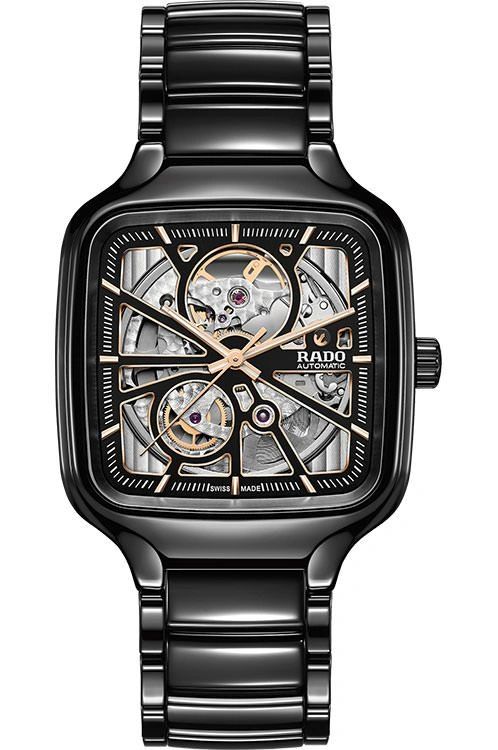
Another factor influencing the brand’s position is timing. During the late twentieth century — a period when mechanical watchmaking was redefining itself after the quartz crisis — several heritage brands reinforced their identities by emphasizing hand-finished movements and historical continuity. Collectors began associating prestige with visible mechanical craftsmanship, independent manufacture calibers, and complication-focused storytelling. Because Rado’s strongest innovations were happening in materials rather than in high complication watchmaking, the brand’s achievements were often categorized differently, sometimes outside the traditional hierarchy of mechanical prestige.
Market positioning also played a role. Rado watches have historically been positioned in a segment that prioritizes design, comfort, and advanced materials, rather than ultra-high-end mechanical exclusivity. Even when producing mechanical pieces, the brand has not consistently competed in the highest complication tiers where industry leadership narratives are often formed. Prestige in watchmaking is not determined solely by engineering capability; it is also shaped by where a brand chooses to compete and how collectors perceive that competition.
There is also an interesting paradox at work. Many modern watch brands now use ceramic cases, hardened metals, and advanced surface treatments — technologies that Rado helped pioneer decades earlier. Yet when these materials appear in watches from traditional haute horology houses, they are often interpreted as premium innovations, while the original pioneers remain associated primarily with durability rather than prestige. Material innovation, although crucial, tends to receive less cultural recognition than mechanical innovation, even when its long-term impact on the industry is equally significant.
Another reason Rado is not typically seen “at the helm” lies in narrative tradition. Watchmaking culture places enormous value on historical continuity extending back to the nineteenth century or earlier. Brands whose identities are deeply tied to classical complications and early mechanical milestones benefit from this narrative advantage. Rado, whose defining contributions emerged largely in the twentieth century through materials science and industrial innovation, built its reputation in a different historical context — one that collectors sometimes view as more modern and therefore less tied to classical horological mythology.
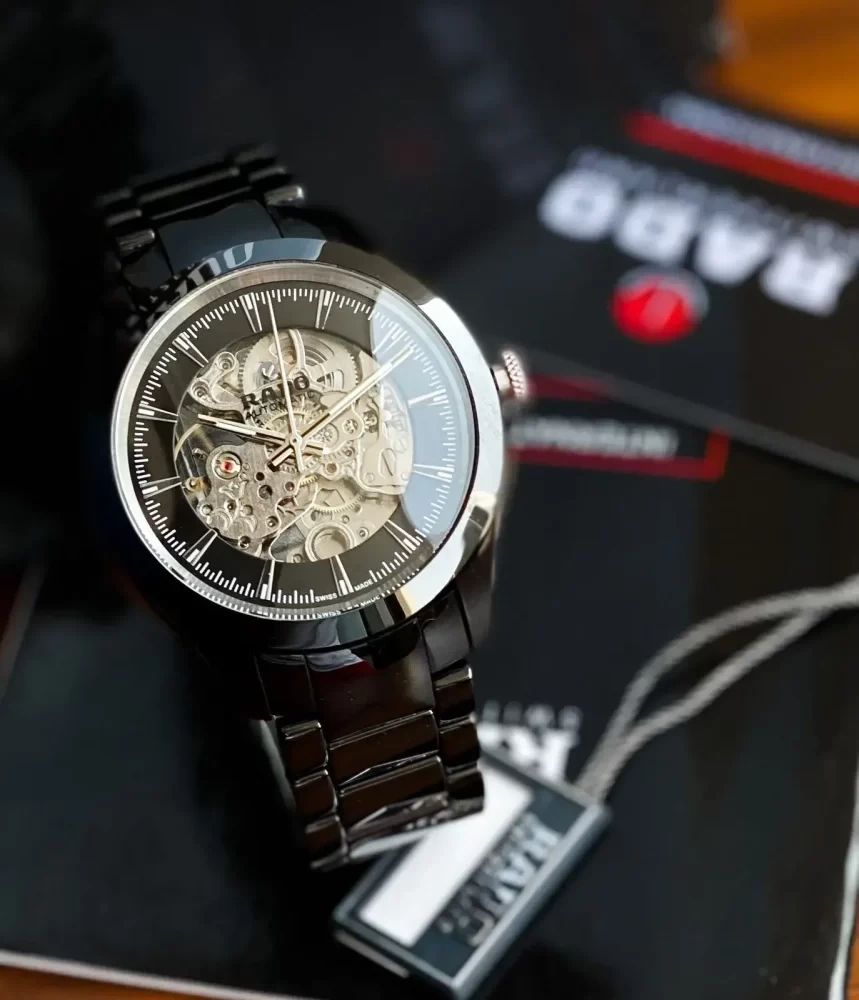
None of this suggests that the brand lacks technical depth. Modern Rado mechanical watches incorporate refined automatic movements, strong design engineering, and advanced manufacturing precision. What distinguishes the brand is that mechanical complexity was never positioned as the sole measure of excellence. Instead, Rado treated the watch as a complete object, where case durability, ergonomics, comfort, and long-term visual stability were considered just as important as the internal movement.
Ironically, this philosophy may be gaining relevance today. As watches increasingly function as daily lifestyle objects rather than purely symbolic heirlooms, durability and material performance have become more important to modern consumers. Scratch-resistant ceramics, lightweight high-tech materials, and surface engineering solutions — once considered niche innovations — are now widely valued across the industry. In this sense, Rado’s long-standing focus on material science appears less like a deviation from tradition and more like an early glimpse of where modern watchmaking was heading.
Being “at the helm” of watchmaking has never been defined by a single dimension. Some brands lead through mechanical invention, others through design language, and still others through technological manufacturing breakthroughs. Rado chose the path of material innovation, improving how watches survive everyday wear rather than competing primarily in the race for the most complicated movements. That decision shaped how the brand is perceived within traditional prestige hierarchies, even though its contributions influenced the broader industry in lasting ways.
Rado’s story illustrates that leadership in watchmaking can take different forms. Mechanical complication may dominate the cultural spotlight, but the materials that protect those movements — the cases, surfaces, and structural engineering that allow watches to endure daily life — are equally essential. The brand may not always be described as leading the classical hierarchy of mechanical horology, yet its innovations quietly reshaped expectations for durability and longevity across the entire field.
In the end, Rado is not absent from the helm because it lacks technical strength. It stands slightly outside that position because it chose a different frontier to master — one focused not on adding more complications to the watch, but on ensuring that the watch itself survives the passage of time with minimal visible change.