Omega and the Discipline of Being Proven
Most watch brands tell you who they are.
They explain their heritage.
They justify their design choices.
They narrate their importance.
Omega did something different.
It let itself be tested.
Not once. Not ceremonially. Repeatedly — in laboratories, underwater, in aircraft cockpits, and famously, beyond Earth’s atmosphere. Omega did not build its identity by insisting on relevance. It built it by surviving environments where excuses are meaningless.
That distinction matters.
Omega’s story is often told through milestones: timing the Olympics, accompanying astronauts, equipping divers. These facts are familiar. What is less discussed is what they imply.
They imply accountability.
When a watch is selected for a mission where failure has consequences, marketing disappears. Performance becomes binary. It either works, or it doesn’t. Omega’s reputation was shaped not by claims, but by outcomes.
That history created a different kind of confidence — quieter, more durable, and harder to undermine.
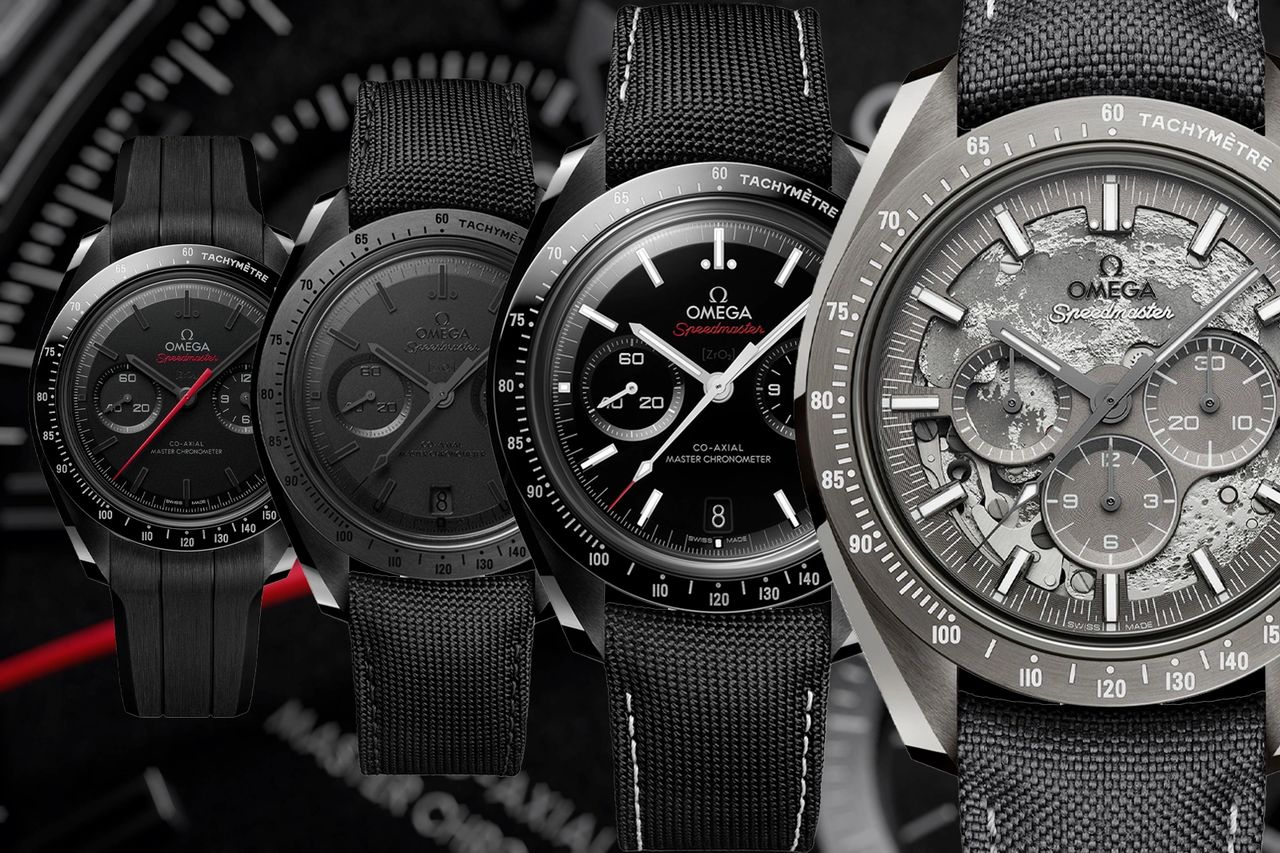
The Speedmaster did not become iconic because it looked heroic.
It became iconic because it endured scrutiny.
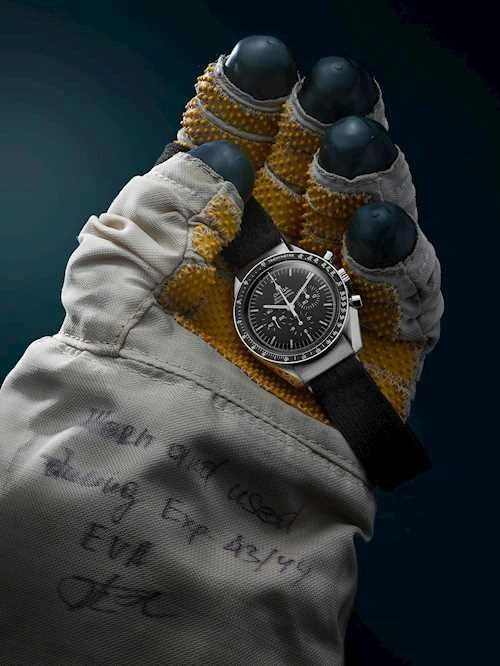
NASA did not choose Omega because of heritage or prestige. It chose the watch because it passed tests others didn’t — vibration, shock, temperature extremes, vacuum. Conditions that stripped watchmaking down to fundamentals.
The Moonwatch’s legacy is therefore not romantic. It is procedural.
That procedural success is the rarest kind of luxury. It cannot be recreated through design alone. It requires systems that hold up under indifference.
Omega applied this mindset far beyond space.
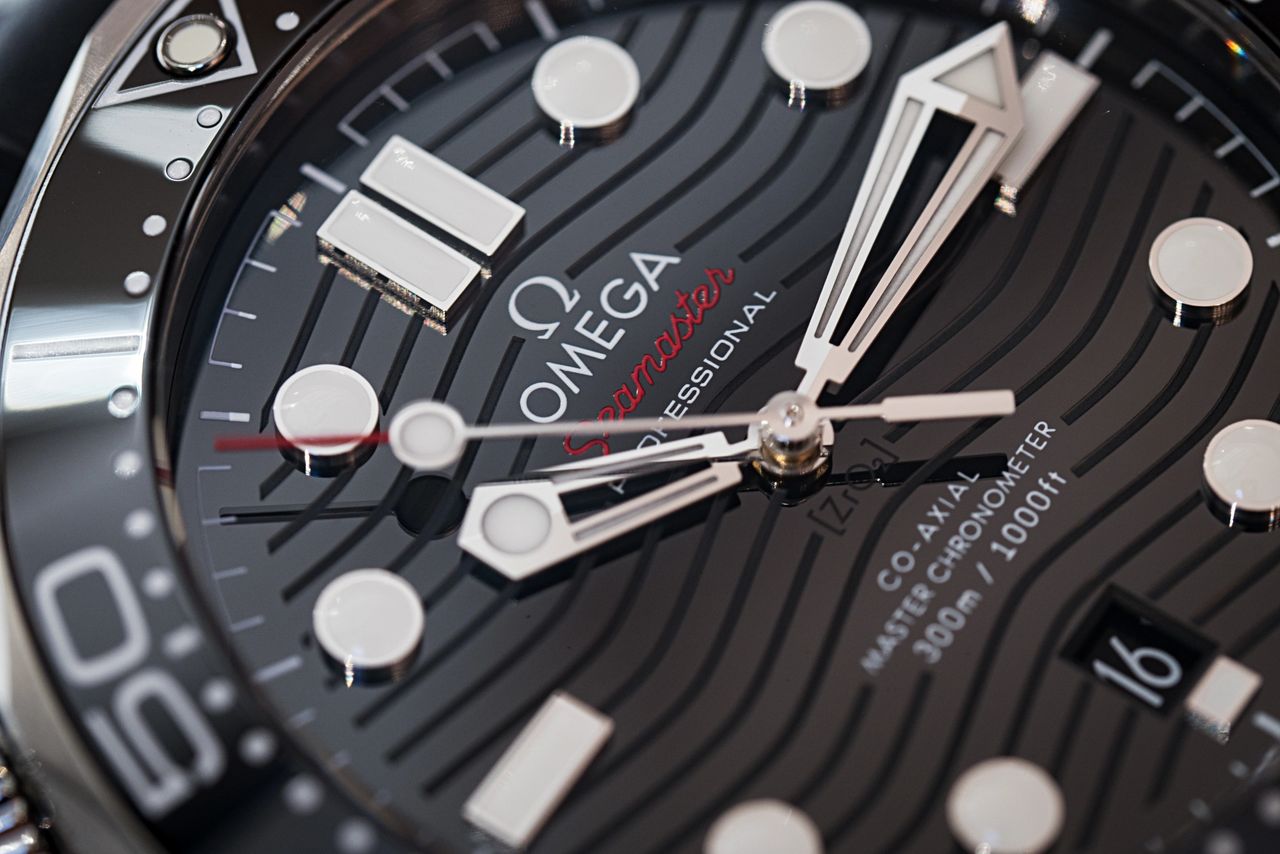
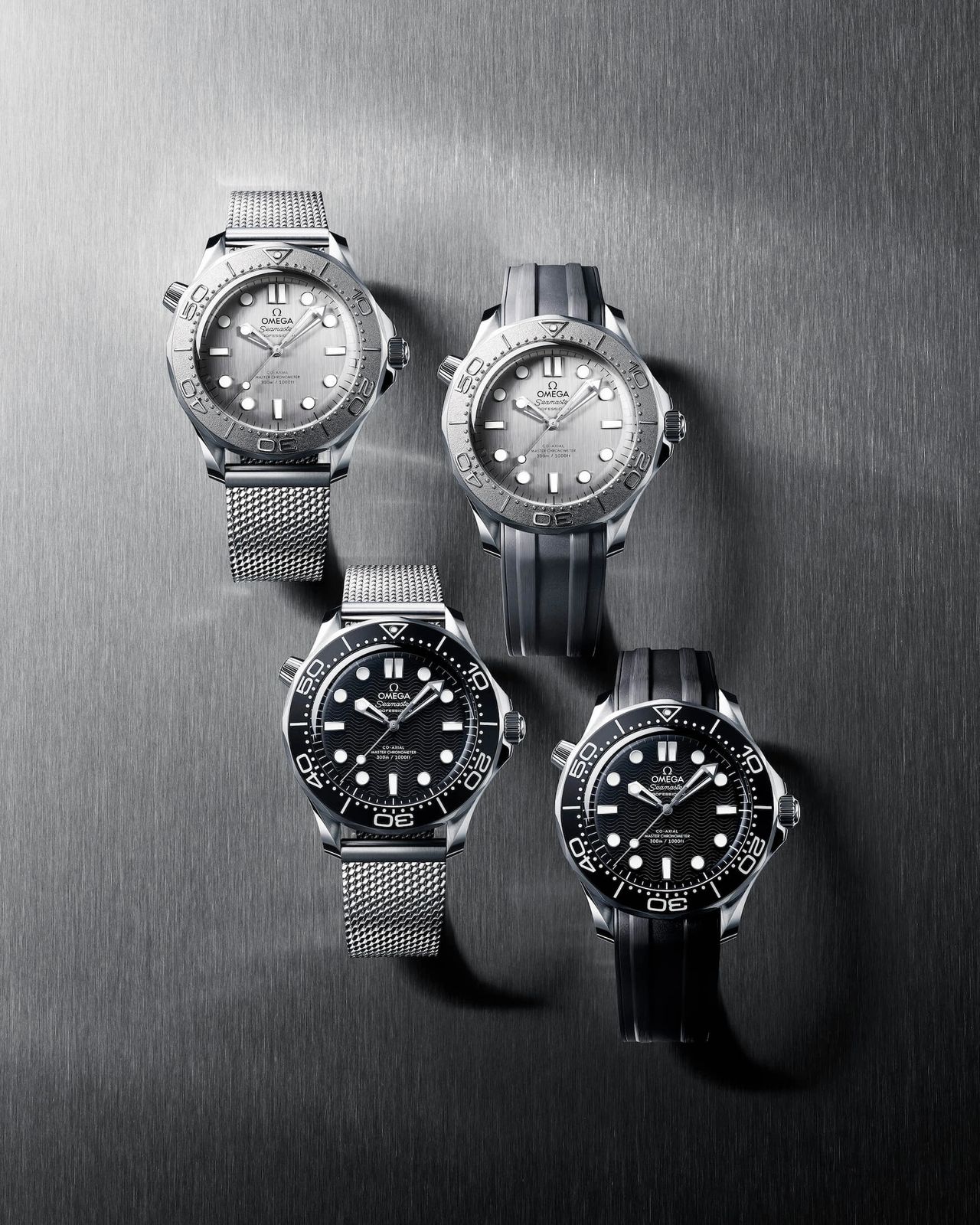
In the ocean, the Seamaster evolved not as a fashion diver, but as a functional instrument. Water resistance, legibility, sealing — all treated as engineering problems first, aesthetic ones second.
This approach gave Omega something unusual: credibility across domains.
A brand that could exist in sport, science, military history, and civilian life without feeling out of place.

What truly separates Omega from many of its peers is not where its watches have been, but how it thinks about improvement.
Omega does not chase reinvention. It refines.
The co-axial escapement is a perfect example. It wasn’t designed to look different. It was designed to reduce friction, improve long-term stability, and extend service intervals — problems that matter only if you care about decades, not launch cycles.
This is innovation that does not photograph well.
Which is precisely why it lasts.
Omega’s modern watches rarely feel radical.
They feel considered.
Design changes are evolutionary. Proportions shift carefully. New materials are introduced with restraint. There is an underlying belief that continuity builds trust — and trust compounds over time.
This is not the excitement of novelty.
It is the calm of competence.
There is also something deeply democratic about Omega.
Unlike brands that cultivate distance, Omega has always operated at scale. Its watches are widely available, widely worn, and widely understood. This accessibility is sometimes mistaken for dilution.
It is not.

It is a different philosophy of luxury — one that treats reliability as a public good rather than a private indulgence. Omega watches are not designed to be rare. They are designed to be trusted by many.
That scale forces discipline.
Mistakes cannot hide.
Weaknesses are exposed quickly.
Brands that operate at this level must be right more often than they are clever.
Culturally, Omega occupies a rare middle ground.
It is respected by engineers and enthusiasts, but recognized by the public. It appears in professional contexts without looking austere, and in popular culture without feeling theatrical.
This balance is difficult to maintain.
Too much seriousness becomes cold.
Too much spectacle becomes hollow.
Omega avoids both by anchoring itself in function. Its watches look the way they do because they had to work first.
There is also something deeply democratic about Omega.
Unlike brands that cultivate distance, Omega has always operated at scale. Its watches are widely available, widely worn, and widely understood. This accessibility is sometimes mistaken for dilution.
It is not.
It is a different philosophy of luxury — one that treats reliability as a public good rather than a private indulgence. Omega watches are not designed to be rare. They are designed to be trusted by many.
That scale forces discipline.
Mistakes cannot hide.
Weaknesses are exposed quickly.
Brands that operate at this level must be right more often than they are clever.
Culturally, Omega occupies a rare middle ground.
It is respected by engineers and enthusiasts, but recognized by the public. It appears in professional contexts without looking austere, and in popular culture without feeling theatrical.
This balance is difficult to maintain.
Too much seriousness becomes cold.
Too much spectacle becomes hollow.
Omega avoids both by anchoring itself in function. Its watches look the way they do because they had to work first.