No, this is not a toy. And it certainly isn’t a car.
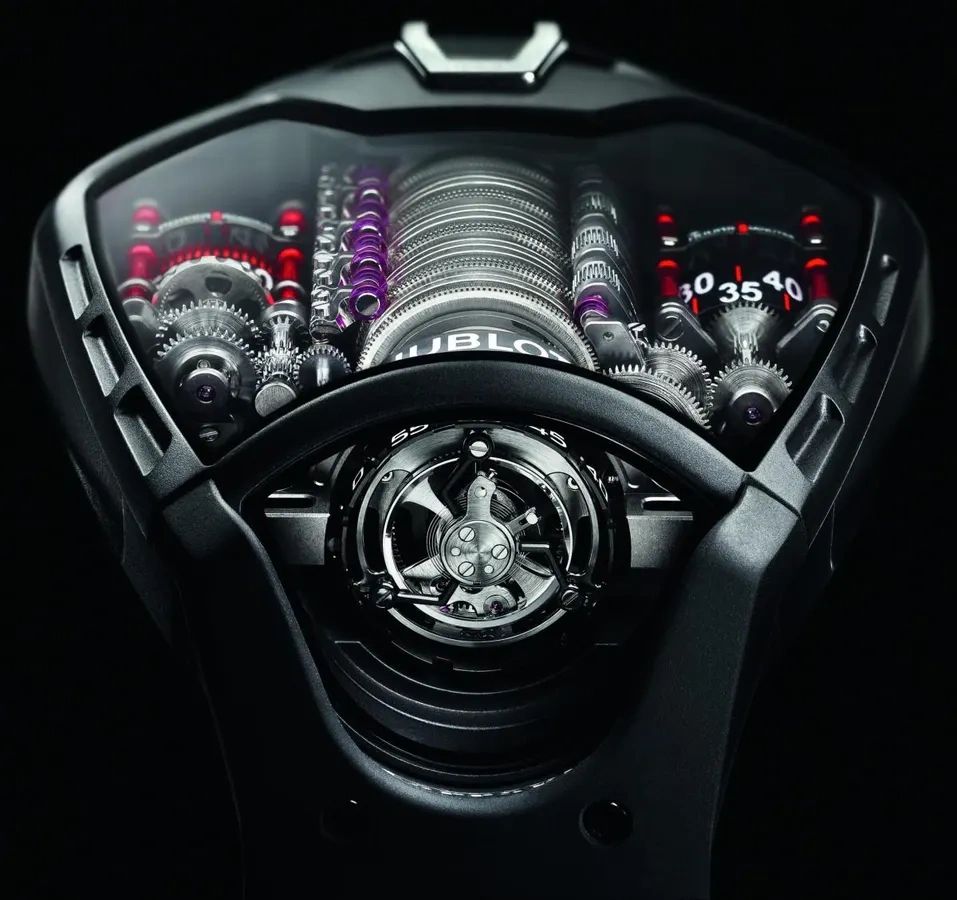
The Hublot La Ferrari does not attempt to be subtle, and it makes no apologies for that. From the moment it comes into view, it is clear that this is not a traditional mechanical watch dressed in automotive branding. It does not borrow elegance from the past, nor does it attempt to reinterpret mid-century watchmaking ideals. Instead, the Hublot La Ferrari presents itself as a modern mechanical object — engineered, exposed, and unapologetically contemporary.
In the world of luxury mechanical watches, automotive collaborations are common, but rarely meaningful. Often, the result is cosmetic: a logo on the dial, a color palette lifted from a racing livery, or a case material borrowed more for symbolism than function. The Hublot La Ferrari stands apart because it is not built around nostalgia or surface-level storytelling. Ferrari’s influence is not decorative; it is structural. The watch absorbs La Ferrari’s approach to materials, performance, and modern engineering, translating those principles into mechanical watchmaking rather than simply referencing them.
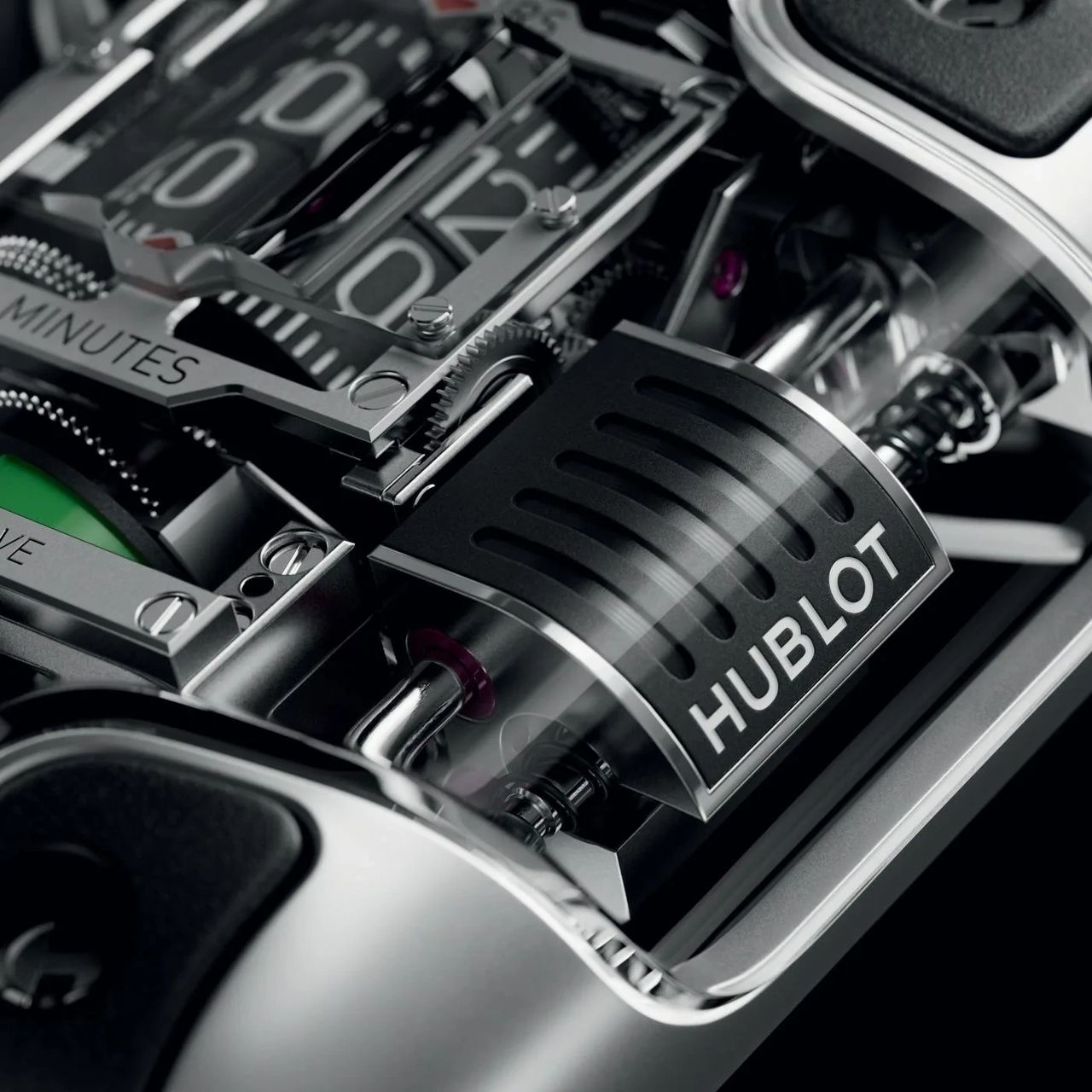
Visually, the Hublot La Ferrari feels closer to a machine than an accessory. Skeletonized dials reveal the movement in motion, much like an exposed engine bay. Sharp edges, layered construction, and bold case architecture echo modern automotive design, where every component is intentional. Materials such as carbon fiber, titanium, ceramic, and sapphire are used because they are lightweight, durable, and technically appropriate — not because they signal luxury in the traditional sense. The result is a watch that looks assembled rather than adorned, built rather than styled.
The movement is where the collaboration earns its legitimacy. Hublot’s in-house Unico and Ferrari-specific calibers reflect a performance-driven mindset. High beat rates, column wheels, long power reserves, and modular construction define these movements, prioritizing mechanical efficiency over romanticism. In certain models, the movement layout subtly references Ferrari’s V-engine architecture — a detail that may escape casual viewers but resonates with collectors who appreciate engineering logic. This is contemporary horology that draws inspiration from mechanical systems, not archival sketches.
The Hublot La Ferrari is often criticized for being too loud, too aggressive, or too unconventional. Those criticisms are not entirely wrong — but they miss the point. This watch is not designed to appeal to traditionalists who value discretion, slim profiles, and historical continuity above all else. It is aimed at collectors who see modern mechanical watchmaking as a living discipline, one that can evolve alongside advances in materials and engineering. The Hublot Ferrari does not chase universal approval, and that is precisely what gives it character.
What makes the Hublot La Ferrari important in the broader landscape of mechanical watches is not its price point or its association with Ferrari, but what it represents. It challenges the idea that legitimacy in horology must always be rooted in the past. It questions whether refinement must be quiet, or whether craftsmanship must be hidden behind conservative design. In doing so, it exposes a deeper divide within modern watch collecting — between those who seek continuity and those who embrace progress.
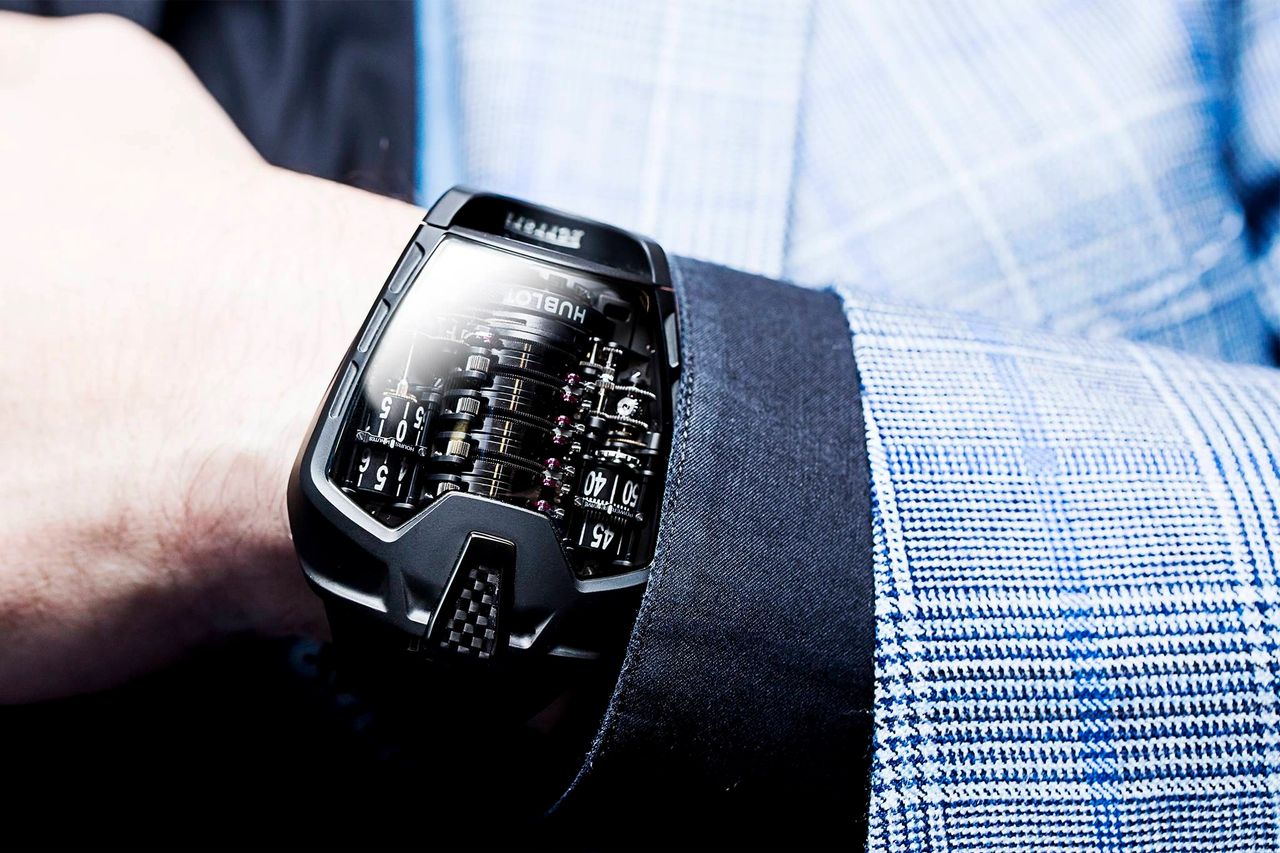
This is why the Hublot La Ferrari cannot be dismissed as a novelty. It is a serious mechanical watch built with a modern philosophy, one that values performance, structure, and material innovation over nostalgia. It does not pretend to be timeless in the traditional sense. Instead, it is firmly anchored in its era — and unapologetic about it.
No, this is not a toy. It is not a car on the wrist. It is a mechanical machine, designed for those who believe that horology, like engineering, should move forward rather than stand still.