What Makes Mechanical Watches Move?
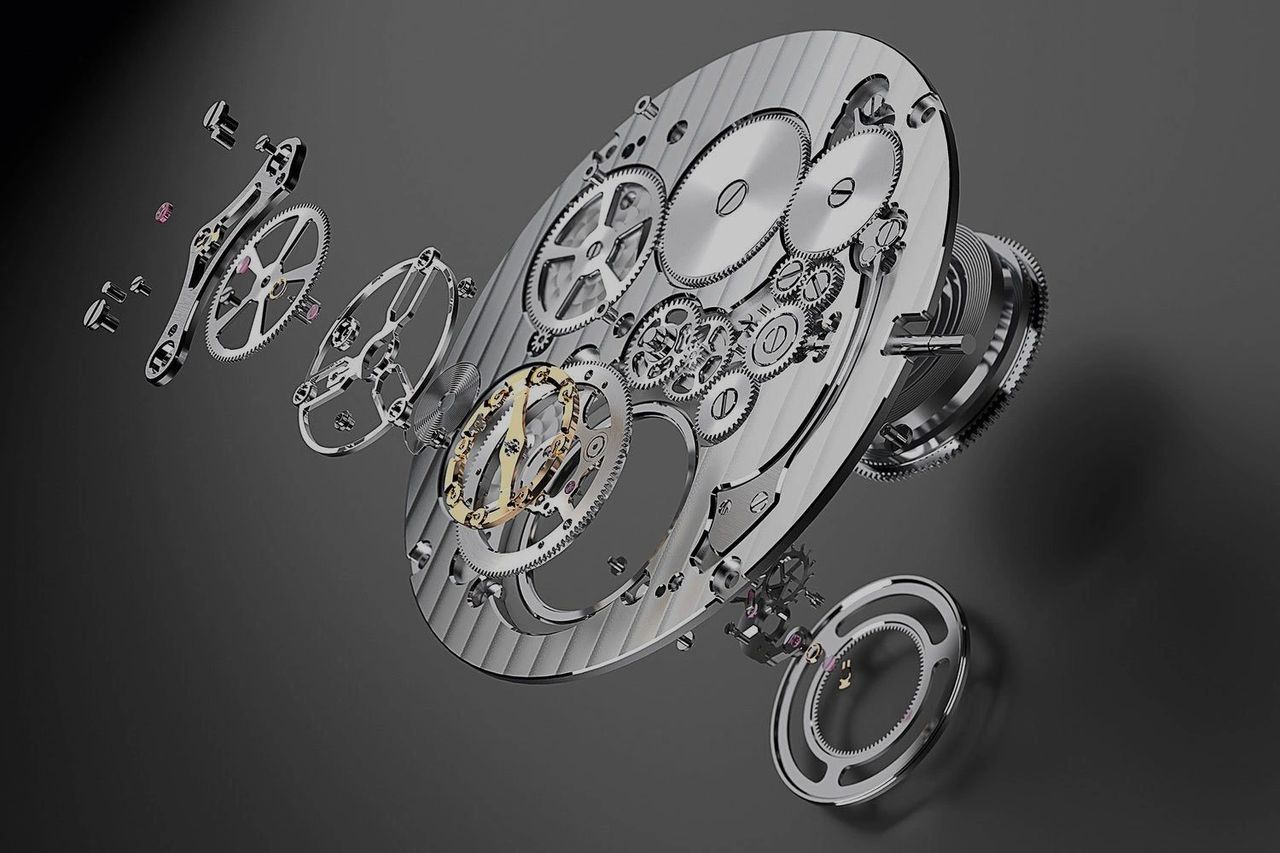
At first glance, a mechanical watch appears simple.
The hands move.
The seconds sweep.
Time passes.
But nothing in a mechanical watch moves accidentally. Every motion is negotiated, resisted, regulated, and earned. Unlike digital devices that receive time from elsewhere, a mechanical watch creates its own time — moment by moment, beat by beat.
Understanding what makes a mechanical watch move is not about memorizing components. It is about understanding how energy is controlled, and why restraint matters more than force.
A mechanical watch begins with stored effort.
Whether wound by hand or automatically by the motion of the wrist, energy is accumulated slowly. It is not drawn from a battery. It is not replenished instantly. It is stored mechanically — coiled tightly, patiently, inside a mainspring.
This is the first important idea.
A mechanical watch does not chase energy.
It conserves it.
The spring does not want to unwind politely. It wants to release everything at once. If allowed to do so, the watch would exhaust itself in seconds.
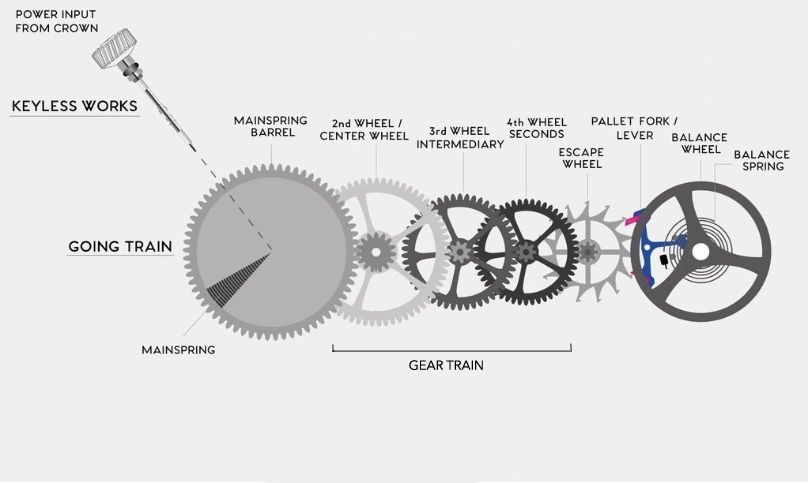
What follows is the entire purpose of mechanical watchmaking: preventing that from happening.
Between stored energy and visible time sits resistance.
A train of gears reduces force gradually, step by step. Each wheel hands off energy to the next — not freely, but reluctantly. Ratios matter. Friction matters. Precision matters. This slow transmission is not inefficiency. It is control.
If the mainspring represents potential, the gear train represents discipline.
Too much resistance and the watch stalls.
Too little and it runs wild.
This balance is delicate. Mechanical watches live permanently on the edge of failure — kept alive by tolerance measured in microns.
But even controlled energy is still too powerful.
Left alone, the gear train would still unwind continuously. Time would not be divided. It would simply rush forward.
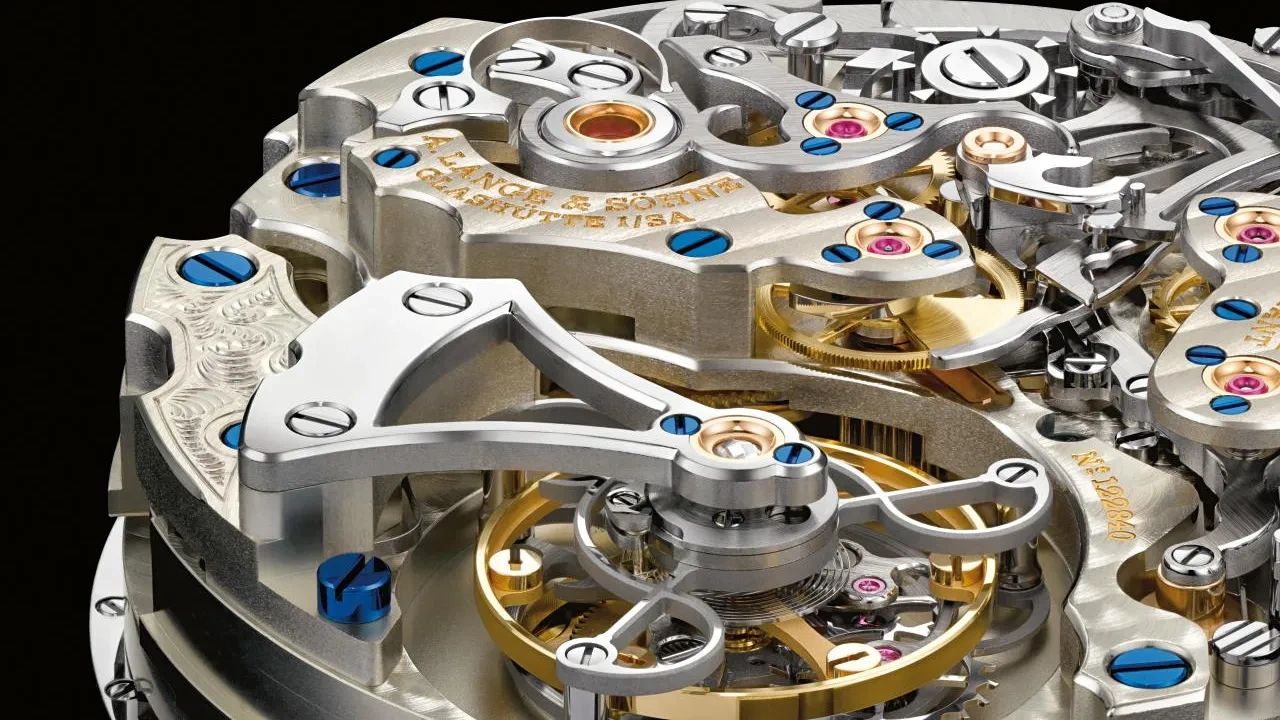
Enter the heart of the mechanical watch: the escapement.
The escapement does something profoundly strange. It interrupts energy deliberately. It allows motion only in tiny, controlled releases — locking and unlocking thousands of times per hour.
This is where time is created.
Not measured.
Created.
Each release is a decision. Each tick is permission.
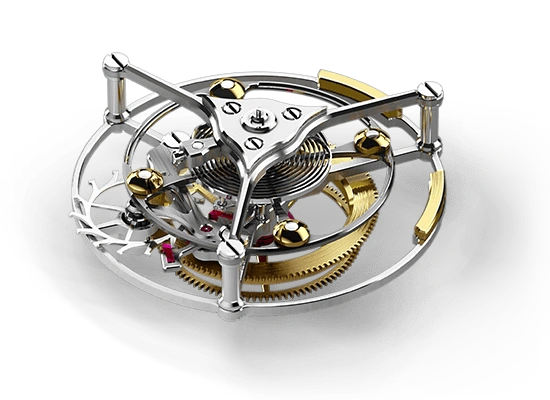
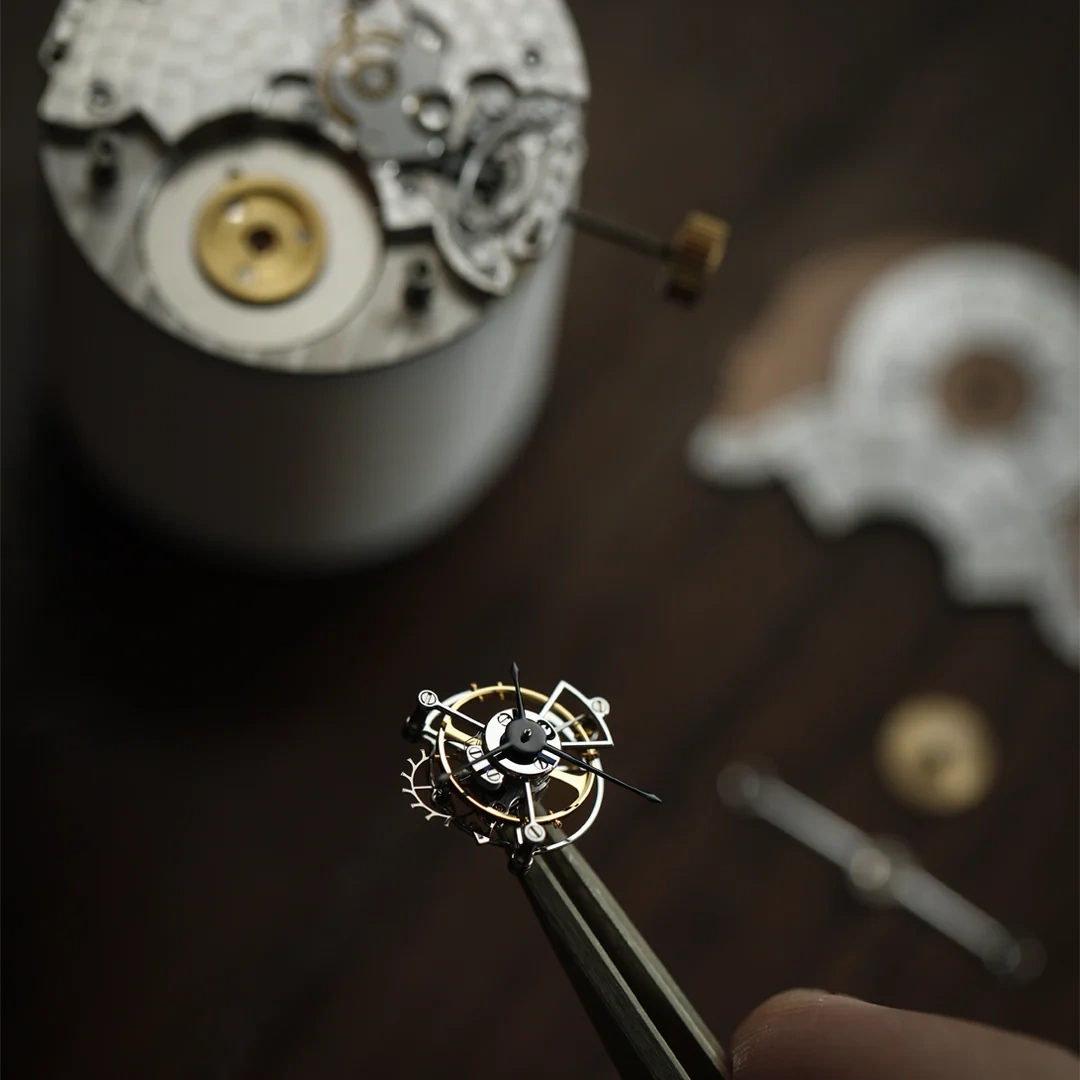
The balance wheel and hairspring form the regulating system — the metronome of the watch. They oscillate back and forth, opposing motion as much as allowing it. Their job is not to move quickly, but to move consistently.
The balance wheel does not care how much energy remains.
It cares only about rhythm.
This is why mechanical watches can continue even as power declines. As long as oscillation remains stable, time remains meaningful. Precision comes not from force, but from regularity.
In a mechanical watch, rhythm defeats strength.
Everything else — hands, complications, displays — is downstream of this negotiation.
The seconds hand moves because the escapement allows it to.
The minutes advance because enough controlled seconds accumulate.
The hours change because the system agrees, collectively, that enough time has passed.
Timekeeping here is not absolute. It is consensual — agreed upon by a system that balances energy, resistance, and rhythm continuously.
That agreement can fail.
Lubrication dries.
Friction increases.
Shock disrupts balance.
And yet, remarkably, the system often continues.
This is where human intervention enters.
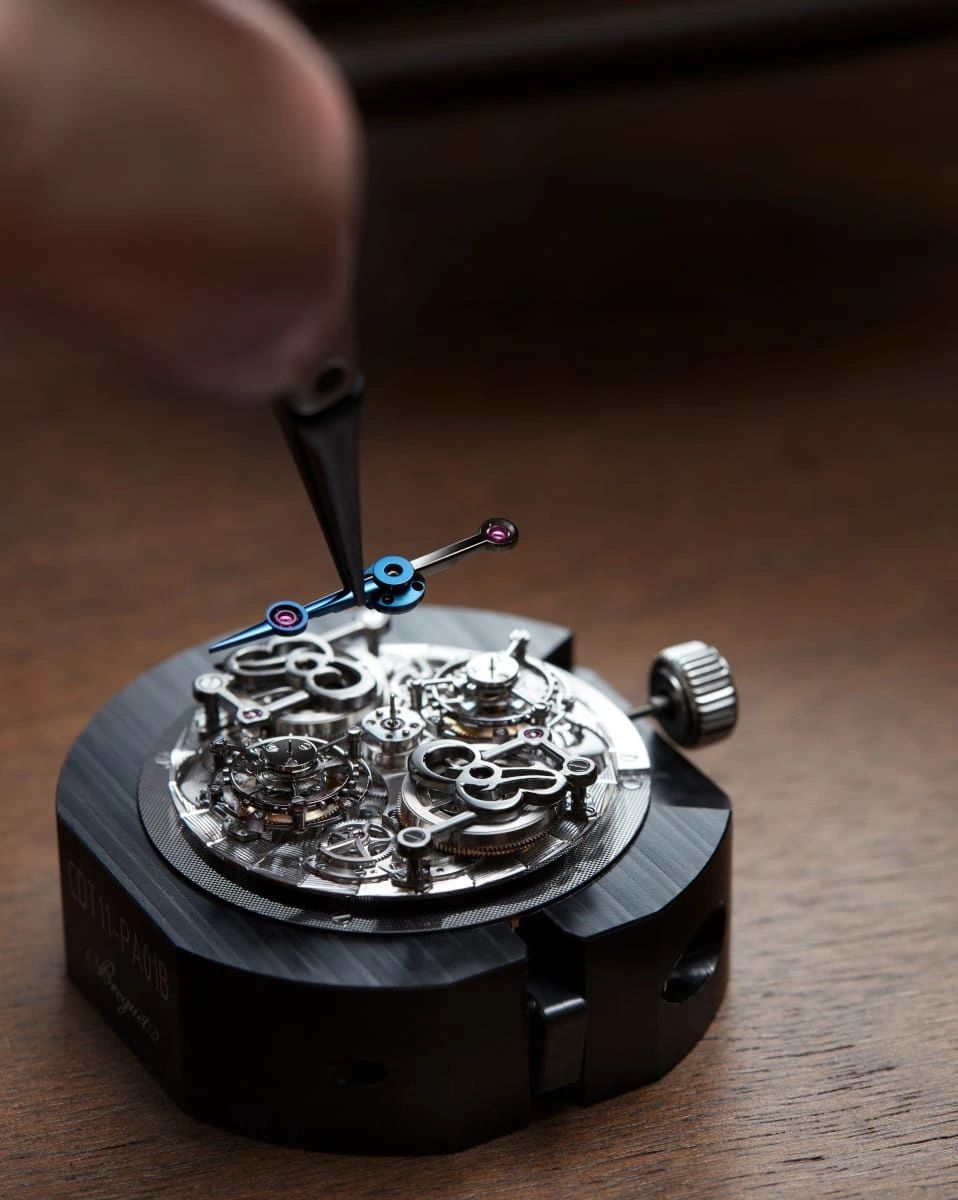
Mechanical watches are not sealed miracles. They require care. Regulation. Adjustment. Repair. A watchmaker does not simply replace parts — they restore balance.
Tiny adjustments to the hairspring.
Minuscule changes to beat error.
Corrections so small they are invisible — yet decisive.
A mechanical watch is never perfect. It is merely brought back into acceptable harmony.
This is why mechanical watches age differently from modern devices.
They do not fail suddenly.
They drift.
They complain quietly.
They tell you when they need attention — if you know how to listen.
Modern technology treats time as something external and perfect.
Mechanical watches treat time as something internal and negotiated.
They accept that friction exists.
That materials age.
That perfection is temporary.
Instead of denying these truths, they work within them.
This is what gives mechanical watches their emotional power.
They are not trying to escape physics.
They are cooperating with it.
When people say mechanical watches are “alive,” they are not being poetic.
They respond to environment.
They react to motion.
They change with age.
Two identical watches worn by different people will not behave identically. One will gain time. Another will lose. One will age gracefully. Another will struggle.
The watch becomes a record — not just of time, but of life around it.
This individuality is impossible in digital systems.
It is inevitable in mechanical ones.
What makes mechanical watches move is not innovation alone.
It is constraint.
Every part exists to slow something down.
Every system exists to prevent excess.
Every solution exists to resist chaos.
A mechanical watch does not celebrate speed. It celebrates control.
That philosophy has outlived every technological replacement thrown at it.
Mechanical watches move because they must — not because they are efficient, but because they are balanced.
They do not rush.
They do not optimize.
They do not update themselves.
They continue, one oscillation at a time, as long as physics allows.
And perhaps that is why, in a world obsessed with acceleration, mechanical watches still feel grounding.
They remind us that time is not something to conquer.
It is something to regulate.