Patek Philippe: The Independent Watchmaker That Still Controls the Game
Patek Philippe: The Independent Watchmaker That Still Controls the Game
Patek Philippe is not fascinating because it is difficult to buy at retail. It is fascinating because, after nearly two centuries, it still behaves less like a luxury group asset and more like a family-controlled institution with a long memory. The brand’s real power is not the Nautilus waiting list, nor the auction headline, nor the polite mythology around “you never actually own one.” It is control: control of production, control of distribution, control of references, control of narrative, and, increasingly, control over how much of its own past it allows the market to weaponize.
Founded in Geneva in 1839 by Antoni Patek and Franciszek Czapek, then reconstituted with French watchmaker Adrien Philippe in 1845, Patek Philippe has spent most of its modern life resisting the logic of scale. The decisive moment came in 1932, when brothers Charles and Jean Stern, dial manufacturers and suppliers to Patek, acquired the company during the Great Depression. The Stern family still owns it. That fact matters. In a sector dominated by conglomerates, Patek’s independence is not a romantic footnote; it is the operating system behind its conservative production, cautious product evolution and sometimes infuriating allocation discipline.
The Stern Model: Scarcity as Governance, Not Theatre
Patek Philippe does not publish exact production figures, but industry estimates generally place annual output around the 60,000 to 70,000-watch range in recent years. That is substantially below Rolex, Omega or Cartier, and even below what demand for steel sports references alone could absorb. The restrained volume is often mistaken for simple scarcity marketing. It is more structural than that. Patek’s catalogue includes minute repeaters, split-seconds chronographs, perpetual calendars, world timers, enamel dials and hand-finished complications that cannot be scaled without changing the character of production.
The company’s 2020 move into its vast Plan-les-Ouates manufacture, a facility reported at roughly CHF 600 million, was not a declaration that Patek would suddenly industrialize its way out of shortages. It was a defensive investment in continuity: training, casework, movement assembly, restoration capacity and quality control under one roof. Thierry Stern, president since 2009, has repeatedly argued that growth must not compromise after-sales service decades from now. That sounds conservative, but it is commercially sharp. A Patek Philippe sold today becomes a service obligation for the company in 2055. Few brands think with that time horizon because few brands are owned in a way that rewards it.
Why Patek Philippe Still Means Complication First
The market often discusses Patek through the Nautilus, but the brand’s historical authority was built elsewhere. In 1925, Patek Philippe produced one of the first perpetual calendar wristwatches, using a movement originally intended for a pendant watch. In 1941, the reference 1518 established the serially produced perpetual calendar chronograph in a wristwatch format, powered by a heavily modified Valjoux base. The reference 2499, introduced in 1951, refined the same idea across four series and remains one of the central pillars of vintage Patek collecting. When a 1518 in stainless steel sold for CHF 11 million at Phillips in 2016, the result was not just auction theatre; it confirmed that Patek’s most valuable language is complicated, rare and historically consequential.
The modern lineage is unusually coherent. The reference 3970, introduced in 1986, used the Lemania-based CH 27-70 Q and reasserted Patek’s perpetual chronograph discipline after the quartz crisis. The 5970, launched in 2004 under Philippe Stern, is widely regarded by collectors as one of the last classically proportioned perpetual chronographs before the brand moved to its first in-house chronograph base. That arrived with the CH 29-535 PS, announced in 2009 and used in references including the 5170 chronograph and 5270 perpetual calendar chronograph. Its six patented innovations were not ornamental talking points; they addressed engagement, backlash, synchronization and adjustment within a traditional lateral-clutch, column-wheel architecture.
Patek’s authority here is cumulative. The reference 5204 combines split-seconds chronograph and perpetual calendar using calibre CHR 29-535 PS Q. The 5370P, launched in 2015, placed the split-seconds chronograph into a platinum case with black enamel dial and calibre CHR 29-535 PS, becoming one of the strongest modern complicated Pateks precisely because it did not chase visual novelty. The 6300 Grandmaster Chime, descended from the 175th-anniversary reference 5175 of 2014, is technically extreme, with 20 complications including grande and petite sonnerie, minute repeater, alarm with time strike and date repeater. It is not the most wearable expression of the brand, but it is evidence that Patek still defines prestige through acoustic and calendar complexity, not merely through case shape recognizability.
The Nautilus Problem Was Created by Success
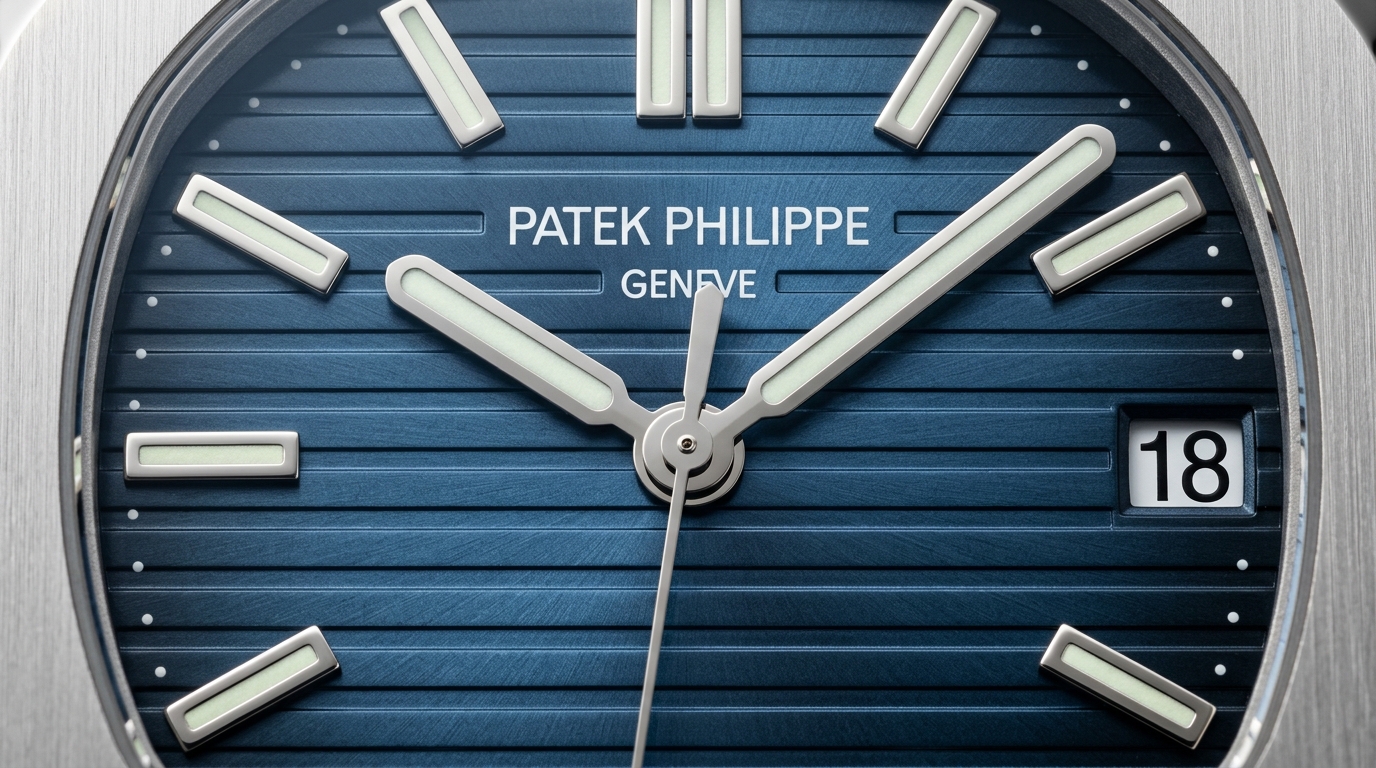
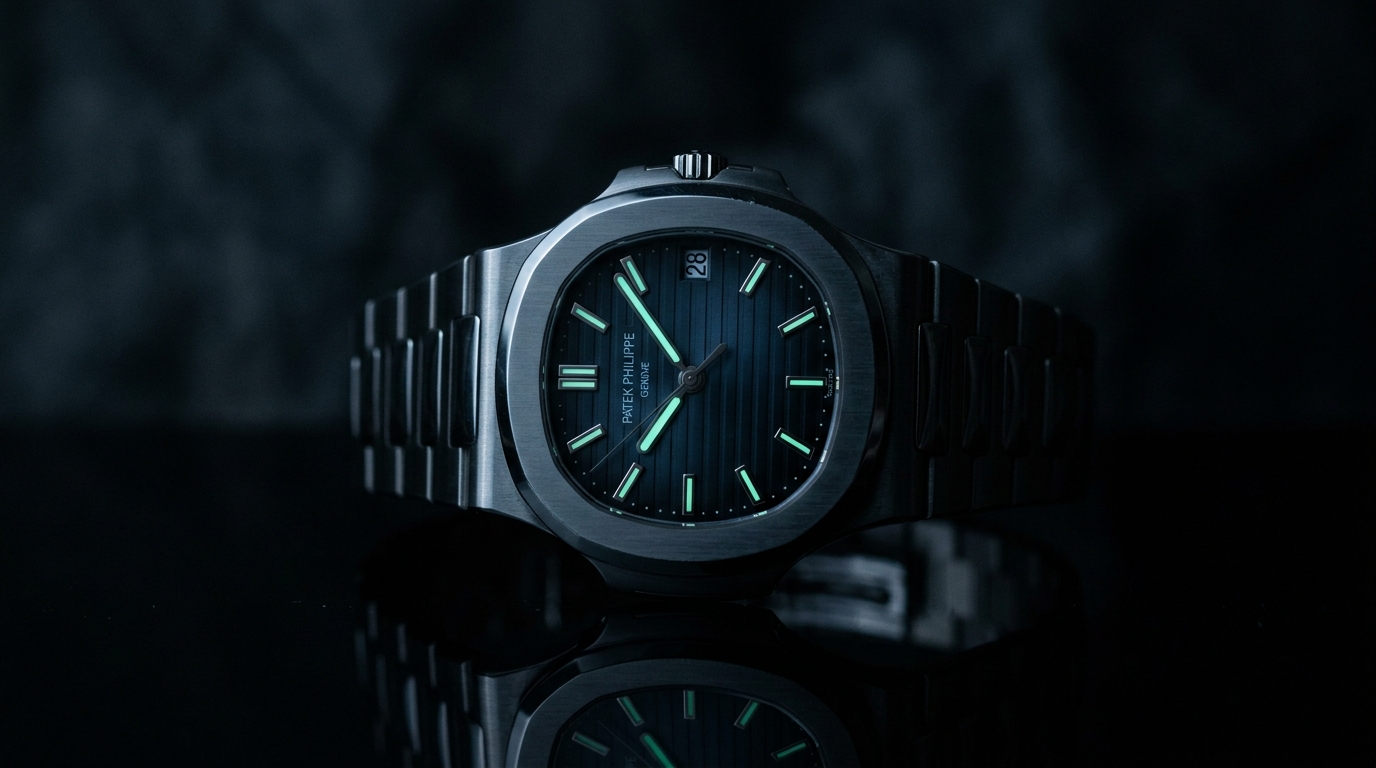
No serious account of Patek Philippe can ignore the Nautilus, but it should be treated as an exception that became too large. The original reference 3700/1A, designed by Gérald Genta and launched in 1976, used the ultra-thin calibre 28-255 C, derived from the Jaeger-LeCoultre 920 ébauche also associated with the Audemars Piguet Royal Oak. Its appeal was architectural: a slim steel watch priced like precious metal, with a porthole-inspired case and integrated bracelet. It was provocative because it challenged what an expensive Swiss watch could be after quartz had begun reshaping the market.
The later reference 5711/1A, launched in 2006 for the Nautilus’s 30th anniversary, became something different. Powered by calibre 324 SC and later 26-330 SC, it was an excellent watch, but not a complicated one. Its secondary-market rise in the late 2010s turned it into a proxy asset for the entire steel luxury sports-watch bubble. By 2021, Thierry Stern discontinued the blue-dial 5711/1A-010. The green-dial 5711/1A-014 followed briefly, and the Tiffany-signed 5711/1A-018 in 170 pieces became an auction spectacle when one example sold for $6.5 million at Phillips in December 2021.
Ending the 5711 was one of the most strategically important decisions Patek Philippe has made this century. A weaker brand would have fed the frenzy. Patek cut the reference at peak heat and accepted the frustration of clients and retailers. The message was plain: the Nautilus may be valuable, but it is not allowed to become the company. The replacement 5811/1G, introduced in 2022 in white gold with calibre 26-330 SC, was equally deliberate. Patek preserved the design while moving it out of stainless steel, distancing the flagship Nautilus from the exact formula that had become speculative shorthand.
Calatrava, Ellipse and the Quiet Centre of the Brand
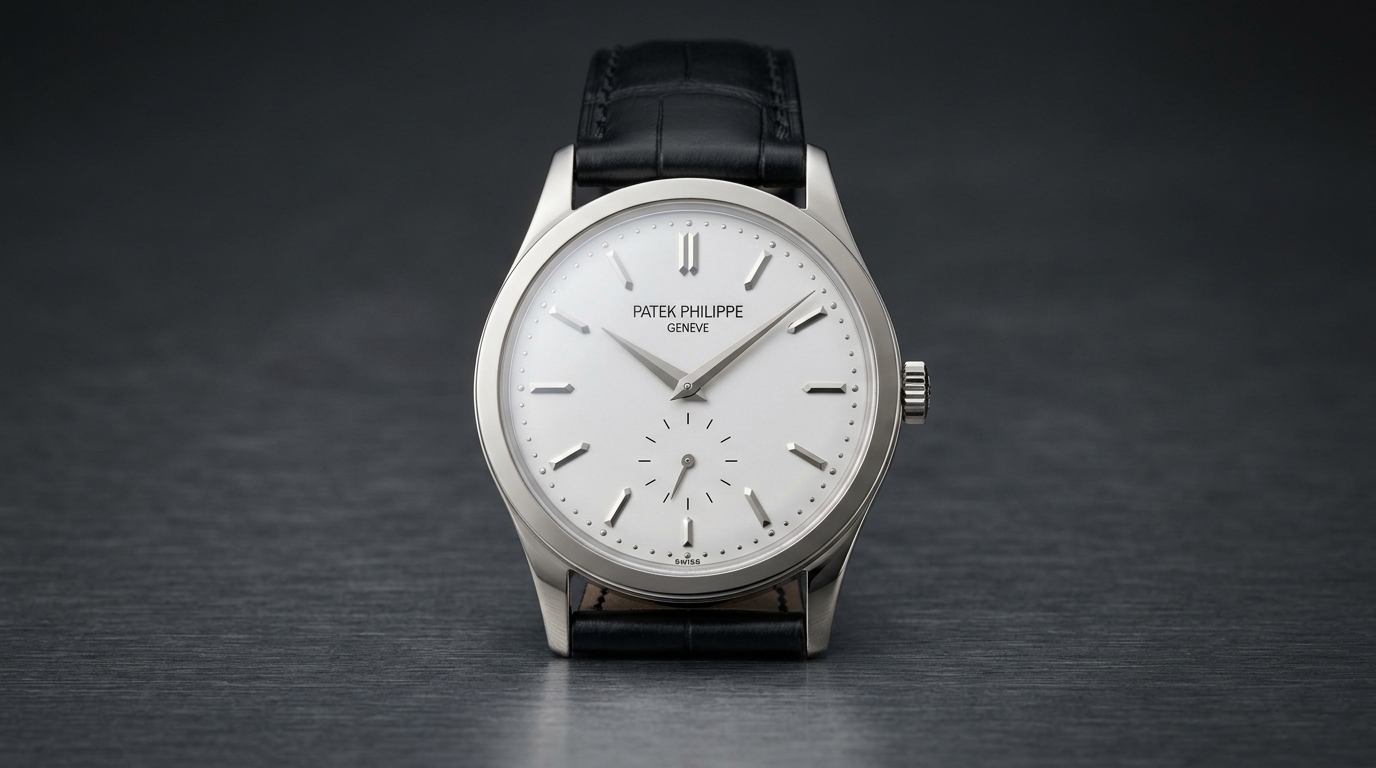
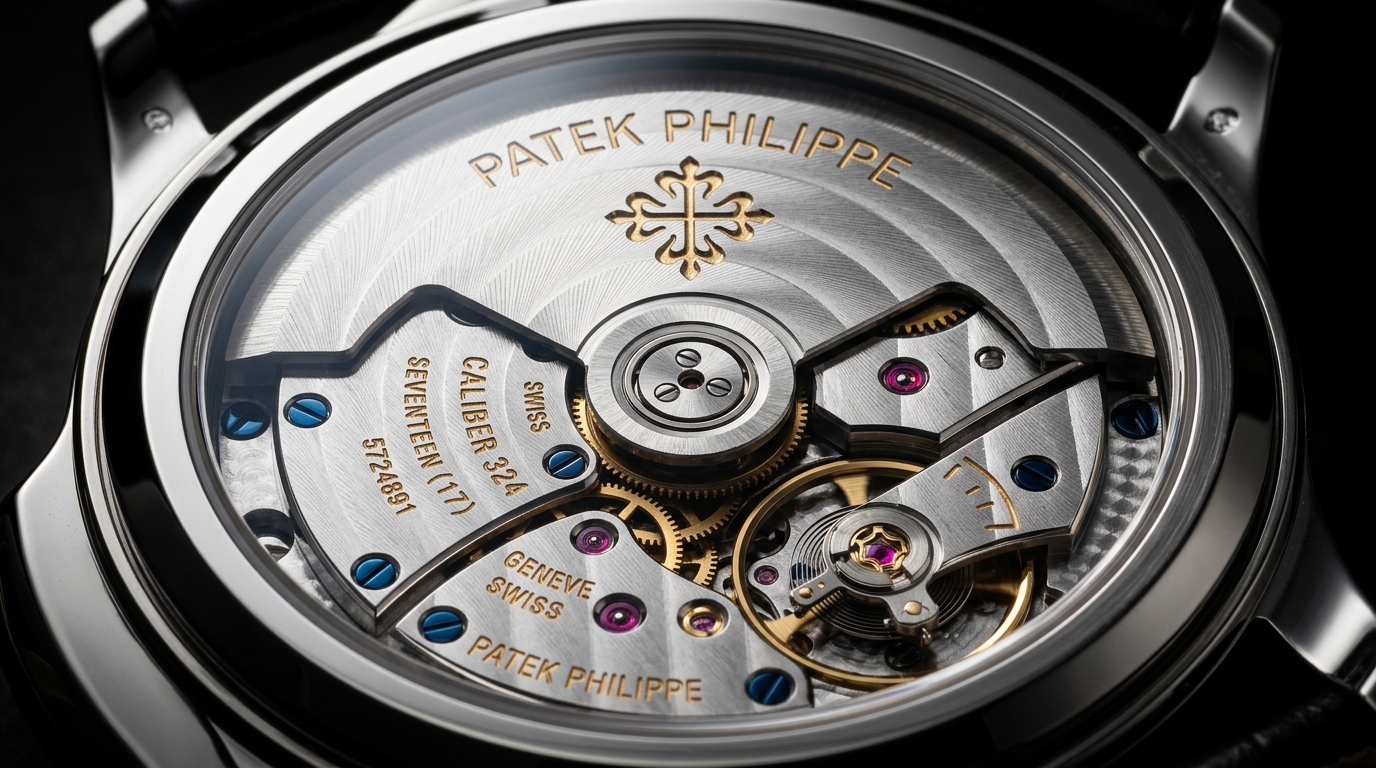
The Calatrava is commercially less loud than the Nautilus, but it is philosophically closer to Patek Philippe’s centre of gravity. The reference 96, introduced in 1932, arrived the same year the Stern family took ownership. Its Bauhaus-adjacent clarity, small seconds and restrained case geometry established the template for the modern dress watch. Later references such as the 3520 with hobnail bezel, the 3919, the 5196 and the current 6119 show how carefully Patek evolves basic forms. The 6119, introduced in 2021, matters because it paired the traditional Clous de Paris bezel with calibre 30-255 PS, a larger manually wound movement with twin barrels and a 65-hour power reserve. It corrected the small-movement-in-large-case criticism that shadowed some earlier modern Calatravas.
The Golden Ellipse, launched in 1968, is another under-discussed test of Patek’s discipline. Its elliptical case, based on the golden ratio, is not as universally wearable as a Calatrava, but it shows the brand’s willingness to maintain an idiosyncratic design over decades. In an era when much of the market equates collectability with stainless steel sports watches, the Ellipse remains a useful reminder that Patek’s catalogue has always contained formal risk, provided the risk is expressed with restraint. The 5738 in platinum or gold, with sunburst dial and ultra-thin automatic calibre 240, is more intellectually Patek than many hotter references selling above retail.
Calibre 240 itself deserves attention. Introduced in 1977, it uses a 22k gold micro-rotor and has powered everything from time-only watches to perpetual calendars, world timers and celestial displays. Its longevity is not accidental. Thinness, adaptability and reliability are strategic virtues at Patek. The calibre 240 Q in references such as the 3940 perpetual calendar helped define late-20th-century complicated elegance. The 3940, introduced in 1985, was a crucial post-quartz statement: mechanically sophisticated, thin, and discreet enough to make quartz’s functional superiority feel beside the point.
The Patek Philippe Seal and the Question of Standards
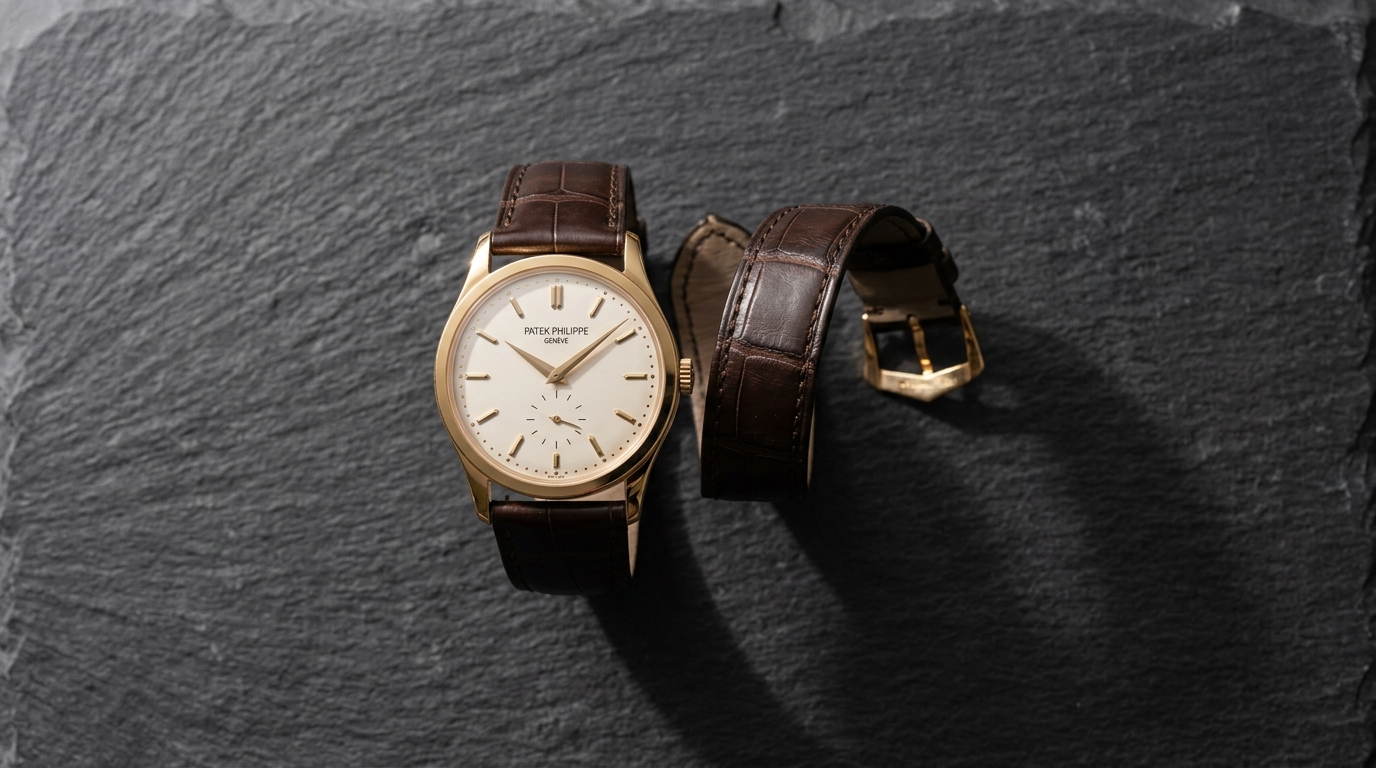
In 2009, Patek Philippe replaced reliance on the Geneva Seal with its own Patek Philippe Seal. The move was controversial because the Geneva Seal, historically tied to movement finishing and Geneva origin, carried institutional credibility. Patek argued that its own seal covered the entire watch, including case, dial, movement, accuracy and after-sales obligations. For mechanical movements with diameter above 20 mm, Patek specifies a rate tolerance of -3/+2 seconds per day; for tourbillons, the average rate must fall within tighter limits, with each watch delivered with its own timing certificate.
The sceptical view is that a self-administered seal lacks independence. That criticism is fair. But the practical issue is whether the standard is meaningful and enforceable within the company. Patek’s finishing remains identifiable: polished chamfers, Geneva stripes, perlage, black-polished steel components, sharp inward angles where architecture permits, and clean execution even on calibres hidden behind solid casebacks in certain models. The finishing is not always the most flamboyant in Switzerland; brands such as Philippe Dufour, Akrivia or Greubel Forsey can exceed it in artisanal intensity. Patek’s position is different. It delivers high-level finishing across a broader and more complicated catalogue, with institutional service continuity. That trade-off is central to understanding the brand.
Distribution, Allocation and the Modern Collector
Patek Philippe has steadily tightened distribution. The number of authorised retailers has contracted over time, and the most important clients are increasingly cultivated through long-term relationships rather than one-off purchases. This has consequences. Entry into desirable references often requires purchase history. That dynamic can feel opaque, and at times it incentivizes buying behaviour that has little to do with connoisseurship. Yet from Patek’s perspective, allocation is a defensive tool against flipping and speculative distortion.
The tension is that Patek benefits from secondary-market strength even while disliking its excesses. A watch that trades above retail reinforces brand equity, but a watch that trades at absurd multiples can damage the hierarchy of the catalogue. The 5711 episode proved this. For several years, a simple steel three-hand watch became more publicly visible than Patek’s perpetual calendars and minute repeaters. The brand has since worked to rebalance attention toward complications, precious metals and less obvious forms of value.
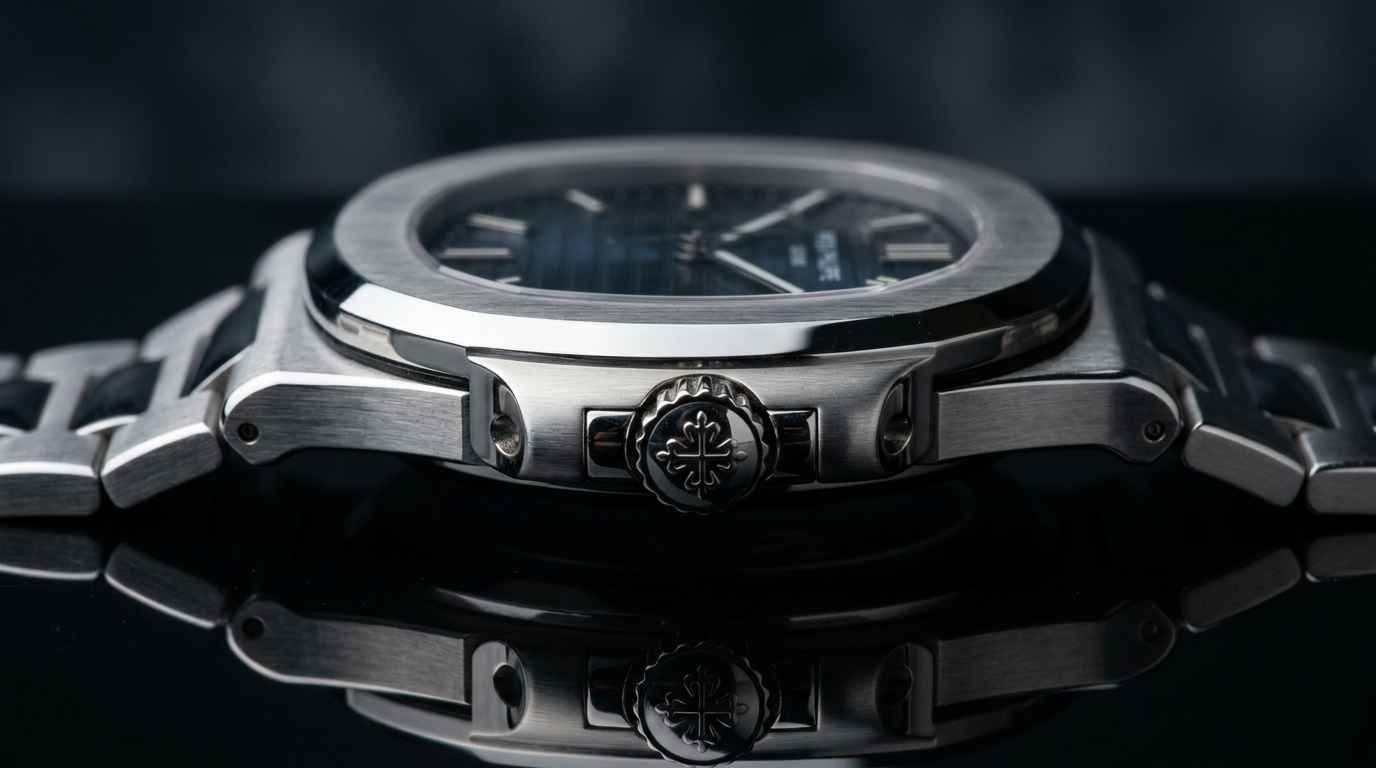
The 2024 launch of the Cubitus showed how difficult that task has become. As Patek’s first new collection in decades, the Cubitus arrived with square-case sports positioning and immediate scrutiny. The reference 5821/1A in steel, 5821/1AR in steel and rose gold, and 5822P with instantaneous grand date, day and moon phases were read by some collectors as too close to the Nautilus design language. The criticism was not baseless; the family resemblance was obvious. But strategically, Cubitus also signalled that Patek wants a second contemporary sports platform so the Nautilus is not forced to carry all demand. Whether collectors accept it over the long term will depend less on launch reactions than on disciplined evolution over the next decade.
Vintage Strength and the Burden of Comparisons
Patek Philippe’s vintage market is unusually deep because its archival continuity is unusually strong. Extracts from the Archives, available for many watches more than five years after sale, provide production and sale information that supports scholarship and pricing. This does not eliminate risk; refinished dials, replaced cases, polished lugs and incorrect hands remain serious issues. But compared with many brands, Patek collecting benefits from a documented framework.
The most important vintage Pateks are not merely old; they are reference-defining. The 1518, 2499, 3448 automatic perpetual calendar, 3450 with leap-year indication, 2526 with enamel dial and calibre 12-600 AT, and 1463 waterproof chronograph each occupy specific positions in horological history. The 2526, launched in the 1950s, is particularly instructive. Its automatic calibre 12-600 AT was among the finest early self-winding movements, and its enamel dial gave a time-only watch lasting material distinction. In a market often obsessed with complications, the 2526 proves that Patek’s greatness has also depended on execution of fundamentals.
Modern Patek must live under the shadow of these references. Not every contemporary release can or should match the purity of a 96, 2526 or 3448. Case sizes have changed, client tastes have broadened, regulation and water-resistance expectations are different, and production realities are more complex. Still, the comparison is useful because it prevents complacency. Patek Philippe is strongest when it treats its past as a standard, not as a branding asset to be endlessly recycled.
The Editorial Verdict: Patek Philippe’s Real Advantage Is Patience
Patek Philippe is not beyond criticism. Some modern dials are busier than they need to be. Some cases have grown beyond the natural proportions of the movement inside, although recent calibres such as 30-255 PS suggest the brand understands the issue. Allocation can be frustrating and sometimes socially performative. The Cubitus launch demonstrated that even Patek can misjudge how closely collectors scrutinize design lineage. And the company’s self-certification through the Patek Philippe Seal will always invite debate.
Yet none of these objections overturns the larger case. Patek Philippe remains the most strategically complete high-end Swiss watchmaker because it links ownership, production, archive, complications, finishing, distribution and service into a single long-term system. Audemars Piguet has the Royal Oak. Vacheron Constantin has older founding history and serious high complications. A. Lange & Söhne has German movement architecture of extraordinary clarity. Rolex has unmatched industrial consistency. Patek’s strength is that it operates across dress watches, grand complications, rare handcrafts, sports watches and vintage scholarship with unusual continuity.
The brand’s future will depend on whether Thierry Stern and the next generation can keep resisting the easiest money in the room. The temptation is obvious: produce more steel sports watches, let the secondary market advertise the brand for free, and allow hype to do the work of horology. Patek Philippe’s best decisions have usually moved in the opposite direction. Discontinuing the 5711, sustaining the Calatrava, investing in complicated calibres, maintaining restoration capacity and developing collections slowly are not glamorous acts. They are acts of governance.
That is why Patek Philippe remains bigger than any single reference. The company’s most important product is not the Nautilus, the Calatrava or the Grandmaster Chime. It is continuity itself, protected by family ownership and enforced through conservative choices that often look dull until the market catches up. In mechanical watchmaking, where fashion cycles are short and memory is selective, that patience is not merely elegant. It is power.