Seiko Watches: The Industrial Genius and Strategic Tension Behind Japan’s Most Important Watch Brand
Seiko Watches: The Industrial Genius and Strategic Tension Behind Japan’s Most Important Watch Brand
Seiko is not one brand in the usual Swiss sense. It is an industrial system that happens to sell watches at nearly every credible price point, from the accessible Seiko 5 Sports to hand-finished Grand Seiko and Credor pieces that compete with Europe’s best mechanical and quartz watchmaking. That breadth is the source of Seiko’s authority, but also the reason collectors argue about it. Few watch companies have contributed more to modern horology; few are more prone to confusing their own message.
The strategic question is no longer whether Seiko can make excellent watches. That has been settled repeatedly by history: the 1960 Grand Seiko, the 1965 62MAS diver, the 1969 Astron quartz, the 6139 automatic chronograph, Spring Drive in 1999, and the modern 9SA5 high-beat calibre all make the case. The more interesting question is how Seiko manages a portfolio so broad that a single name must carry department-store automatics, ISO-spec dive watches, enamel-dial Presage models, GPS solar Astron references, and reissues aimed squarely at collectors who know the difference between a 6R35 and an 8L35.
From Kintaro Hattori to a Vertically Integrated Watch Power
Seiko’s origin story remains unusually relevant because the company’s modern advantage still follows the logic established by Kintaro Hattori. Hattori opened his watch and jewellery shop in Tokyo in 1881 and founded the Seikosha factory in 1892. By 1913, Seiko had produced the Laurel, widely regarded as Japan’s first wristwatch. The point is not merely longevity. The point is the early commitment to domestic capability: cases, dials, movements, manufacturing technique, and later electronic timekeeping.
Today, Seiko Watch Corporation sits under Seiko Group Corporation, formerly Seiko Holdings, renamed in 2022. The broader Seiko world also includes Seiko Epson, whose Suwa lineage is central to quartz and Spring Drive development. This corporate architecture matters because Seiko’s watches are not the product of a single romantic atelier. They are the output of linked industrial competencies: mechanical movement production, quartz oscillator expertise, dial manufacturing, case engineering, MEMS component fabrication, and large-scale assembly. In Switzerland, vertical integration is often marketed as prestige. At Seiko, it is closer to operating doctrine.
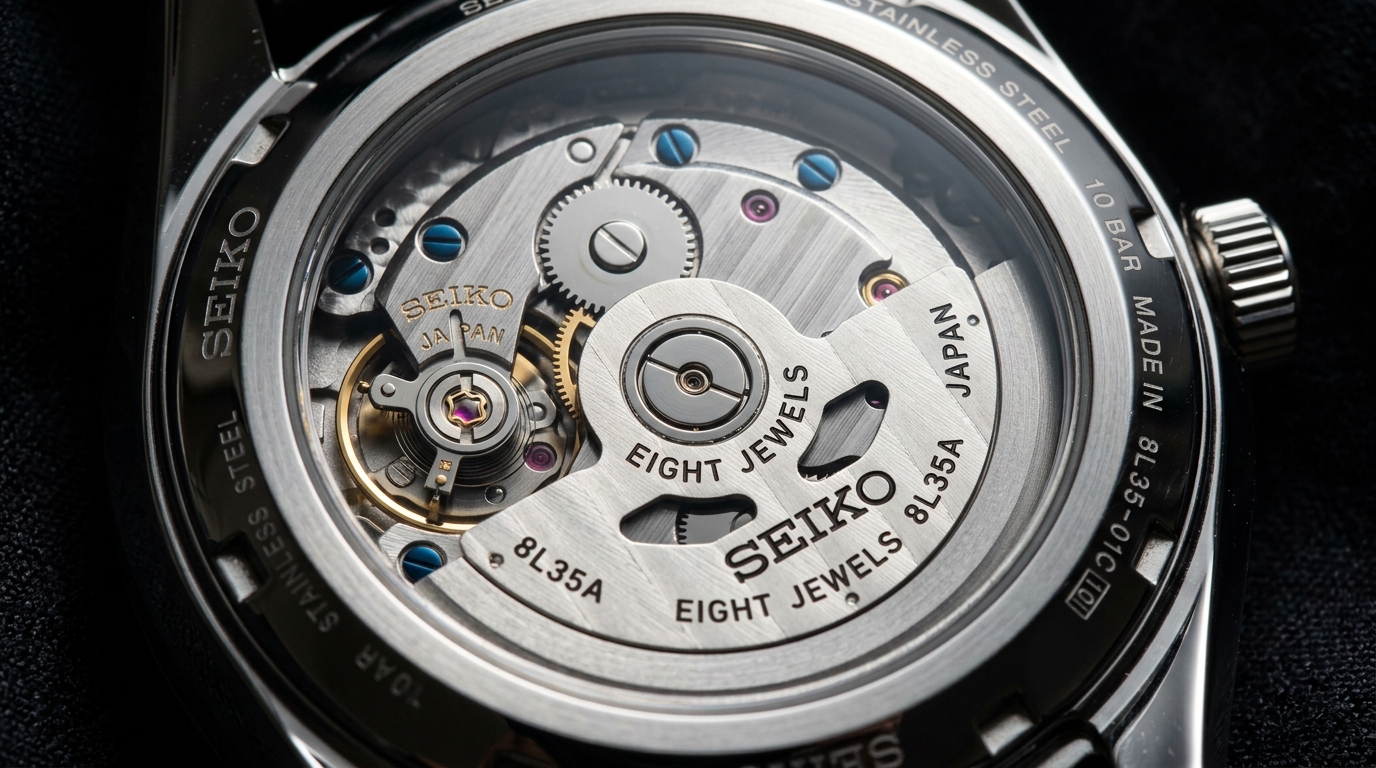
That doctrine explains why Seiko can produce both inexpensive automatic workhorses and technically distinctive high-end calibres. The long-running 7S26, introduced in the 1990s and used in watches such as the SKX007, was not refined in the luxury sense; it lacked hacking and hand-winding. But it was durable, inexpensive, and globally serviceable. The later 4R35 and 4R36 added hacking and hand-winding, making them better suited to the expectations of today’s entry-level enthusiast. At the other end of the spectrum, the 8L35 used in Marinemaster and higher-tier Prospex pieces is closely related architecturally to Grand Seiko’s 9S55 family, finished and adjusted to different standards. That is Seiko’s industrial ladder in miniature.
The Watches That Made Seiko More Than a Value Brand
Seiko’s collector credibility rests on a series of references that were not designed as retro content at the time. The 1965 62MAS, reference 6217-8000/8001, was Japan’s first professional dive watch, rated to 150 metres and powered by the calibre 6217. Its importance is not aesthetic nostalgia; it established the template for Seiko’s long dive-watch lineage. The 6105 models of the late 1960s and 1970s, especially the 6105-8110 cushion-case diver associated with military use in Vietnam and later popular culture, pushed Seiko’s tool-watch reputation well beyond Japan.
The 1968 reference 6159-7001 was just as consequential. With a monobloc case, 300-metre rating, and high-beat calibre 6159 running at 36,000 vibrations per hour, it demonstrated that Seiko could apply Grand Seiko-level movement thinking to a professional diver. The modern SBDX001 Marinemaster 300 and its descendants owe much to that watch, even when the contemporary line has been fragmented into SLA and SBDX references with varying calibres, crystals, and price positions.
Seiko was equally formidable outside diving. In 1969, it released the Astron 35SQ, the first commercially available quartz wristwatch. It was expensive, disruptive, and strategically devastating to the Swiss industry because it proved electronic timekeeping could be miniaturised at the consumer level. That same year, Seiko also launched the 6139 automatic chronograph, placing it in the same historical contest as Zenith’s El Primero and the Chronomatic consortium’s Calibre 11. Arguments over “first” often obscure the bigger point: Seiko reached serial production with a robust, integrated automatic chronograph at a moment when mechanical chronographs still mattered commercially.
This is the contradiction at the centre of Seiko’s image. Enthusiasts often discovered the brand through affordable watches, but Seiko’s historical record is not primarily about budget pricing. It is about technical disruption.
Grand Seiko, King Seiko, and the Problem of Internal Hierarchy
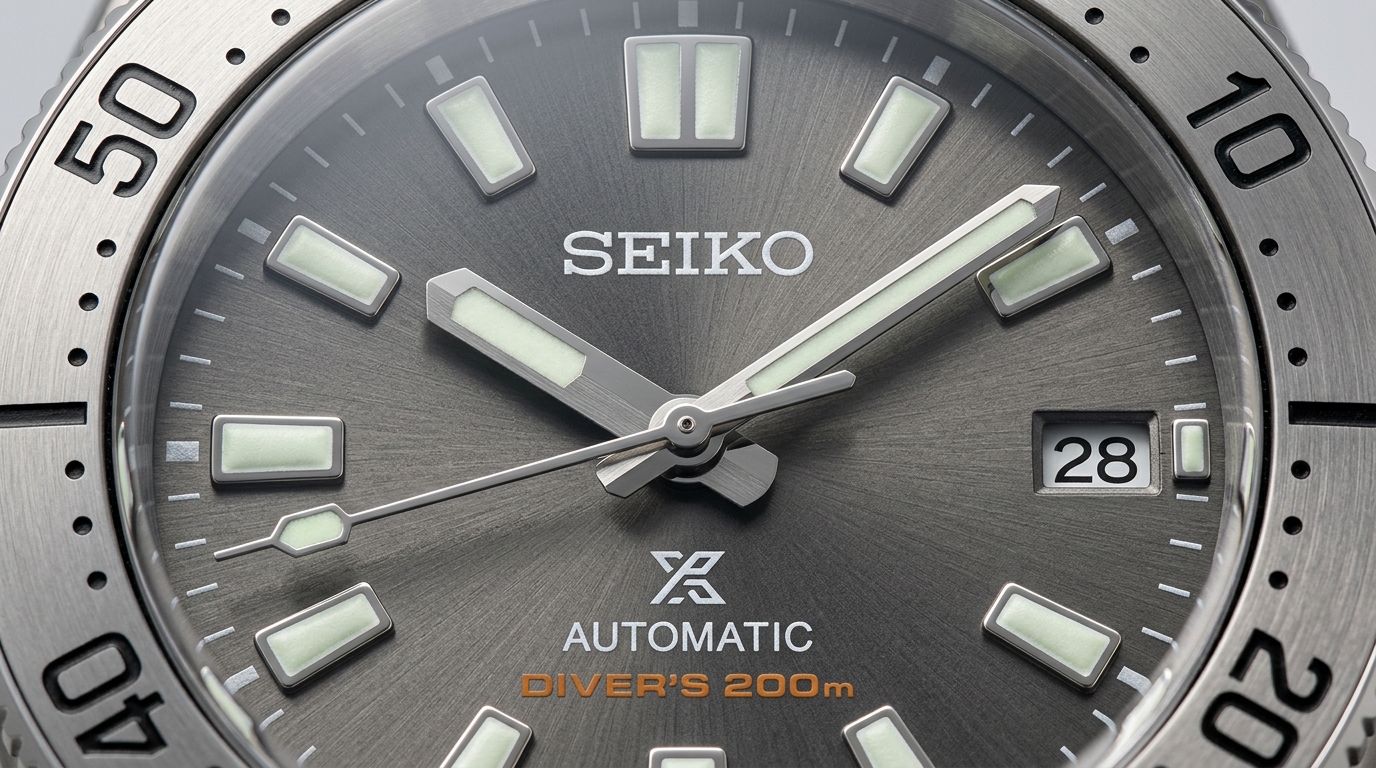
No analysis of Seiko can ignore Grand Seiko, even though Grand Seiko has operated as an independent brand identity since 2017. The first Grand Seiko, released in 1960 and powered by calibre 3180, was created to compete with the best Swiss chronometers. In the 1960s, the internal rivalry between Suwa Seikosha and Daini Seikosha produced some of Seiko’s most important watches: Grand Seiko on one side, King Seiko on the other, and a relentless improvement cycle that culminated in high-beat mechanical movements and disciplined case design.
The 44GS case from 1967 established what Grand Seiko now calls its grammar of design: flat planes, sharp ridges, broad polished surfaces, and legibility through distortion-free finishing. That design language was not decorative; it was a manufacturing and finishing challenge. Modern Grand Seiko watches from the Shizukuishi and Shinshu studios continue the idea through Zaratsu polishing, precise dial textures, and calibre families such as the 9S mechanical, 9F quartz, and 9R Spring Drive.
Spring Drive is the most Seiko technology Seiko has ever produced. Commercially introduced in 1999 and now widely associated with Grand Seiko, it uses a mainspring for energy, a gear train for transmission, and a quartz-regulated Tri-Synchro Regulator for control. It is neither conventional mechanical nor conventional quartz. Collectors who dismiss it as battery-adjacent usually misunderstand the architecture; collectors who call it purely mechanical overstate the case. Its significance lies precisely in its refusal to obey Swiss categories.
King Seiko’s modern revival is more complicated. The contemporary King Seiko line references the 1960s rivalry but occupies a difficult price band. A watch such as the SPB279 or later King Seiko releases with 6R-series movements competes in a segment where buyers expect sharper movement performance, better regulation, or stronger finishing distinction. The design language is credible; the strategic positioning is less convincing. Seiko revived an important name, but has not always given it movement content proportionate to its historical weight.
The Modern Seiko Catalogue: Strength, Segmentation, and Friction
Contemporary Seiko is organised largely around Seiko 5 Sports, Prospex, Presage, Astron, and the revived King Seiko line, with Grand Seiko standing apart. This structure makes sense on paper. In practice, the boundaries blur because Seiko often uses similar movement families across watches with sharply different prices, while finishing, case quality, and limited-edition strategy vary widely.
Seiko 5 Sports replaced the discontinued SKX generation as the accessible automatic entry point. The SRPD series, launched after the SKX007 and SKX009 exited the catalogue around 2019, kept the familiar case silhouette but removed the ISO-certified dive-watch status and screw-down crown. It gained the 4R36 movement, hacking and hand-winding, and a lower-pressure lifestyle brief. Enthusiasts were divided, correctly. As a modern casual sports watch it works; as a successor to the SKX as a true budget diver, it does not.
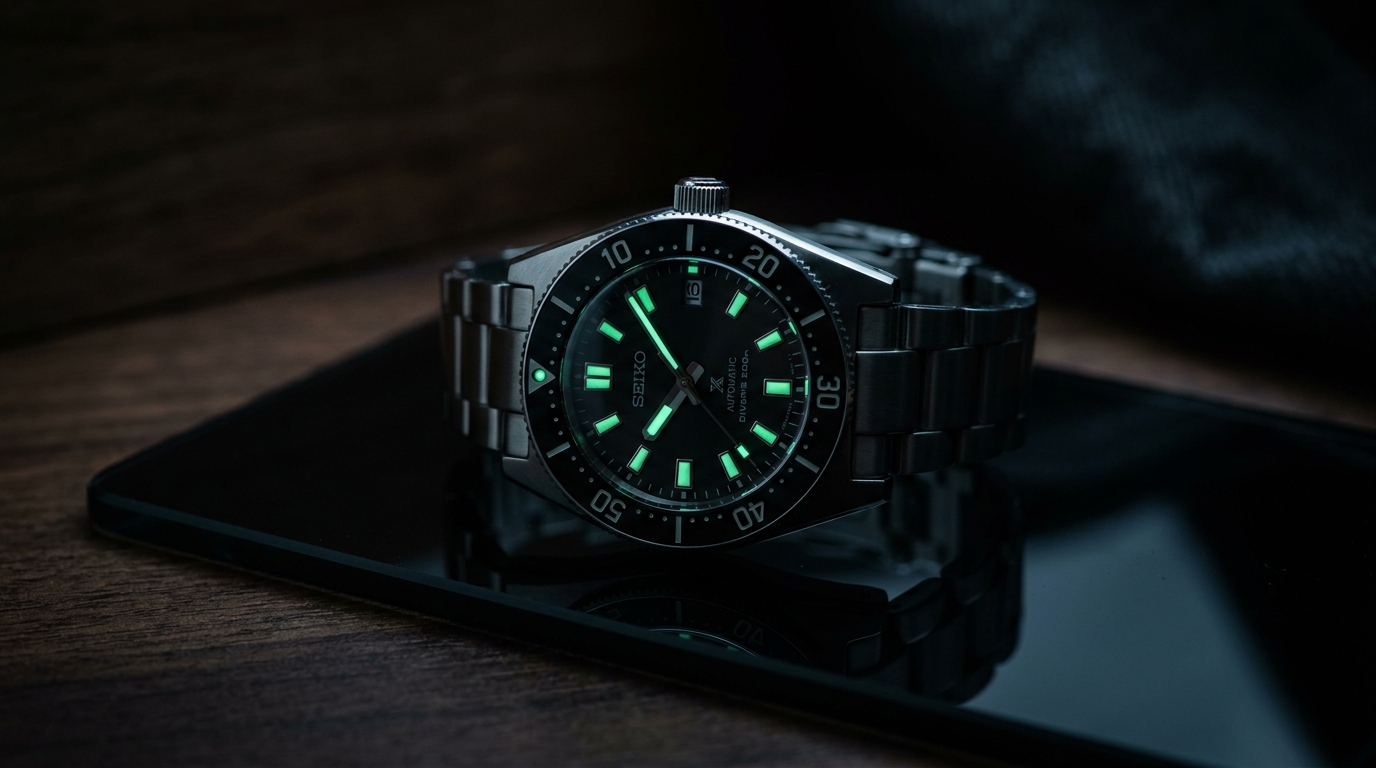
Prospex is where Seiko’s current collector business is strongest. The SPB143, introduced in 2020 as part of the modern 62MAS-inspired series, showed that Seiko could deliver a compact, historically informed diver without falling into costume design. Its 6R35 movement offers a stated 70-hour power reserve, though real-world regulation often varies more than its price bracket should permit. Higher-tier references using the 8L35, such as SLA models derived from the 62MAS or 6159 lineage, make a stronger mechanical argument, but their pricing places them close to Tudor, Longines Ultra-Chron, Oris, and pre-owned Omega options. At that level, Seiko cannot rely on goodwill; it must win on execution.
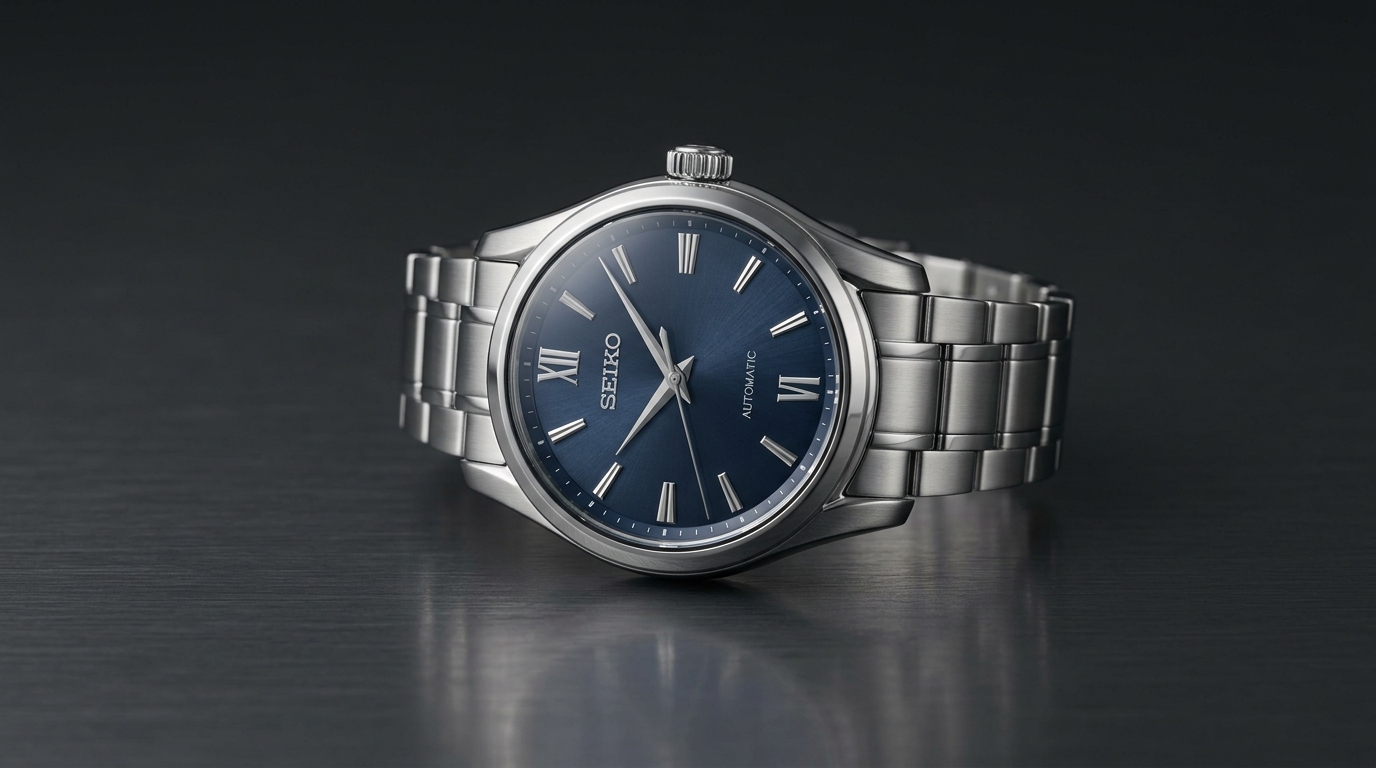
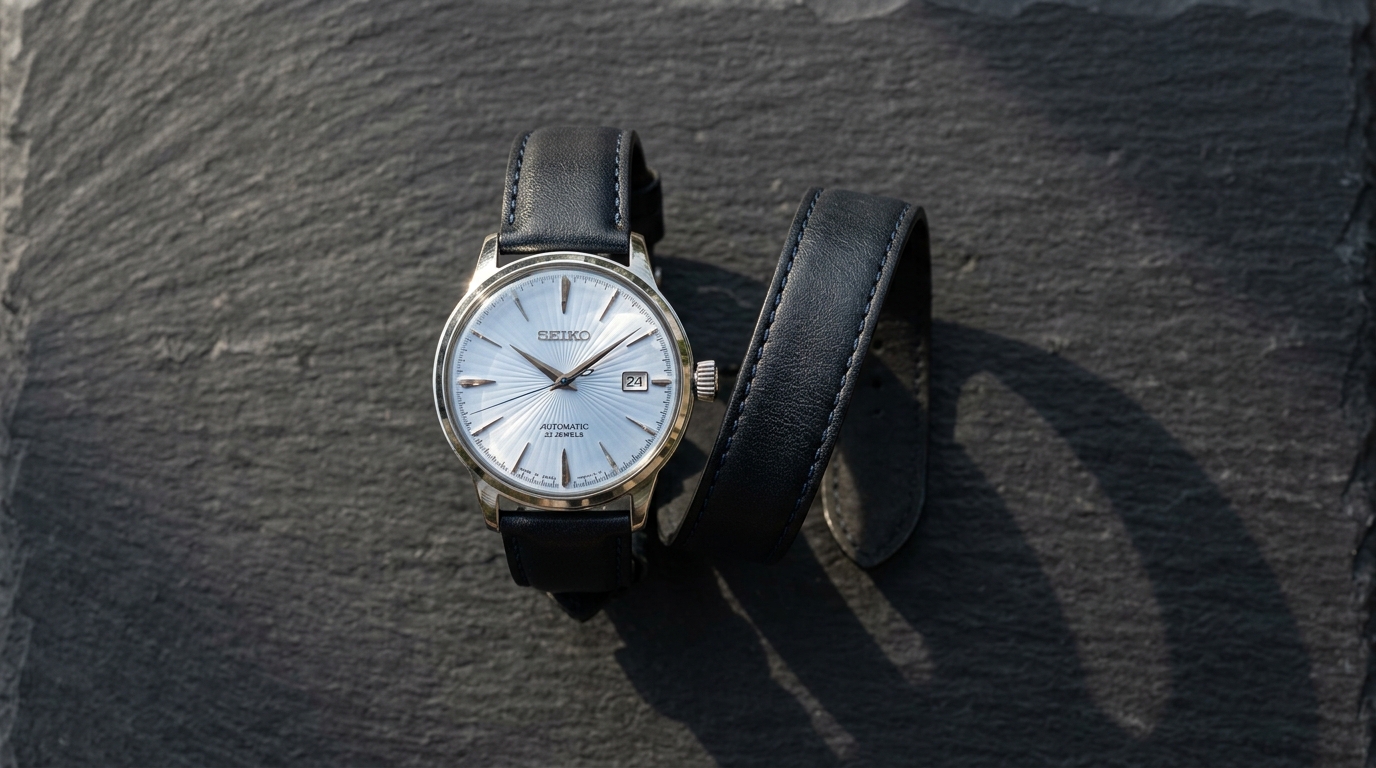
Presage has carried Seiko’s craft message into dress watches, especially through enamel, urushi lacquer, Shippo enamel, and sharp cocktail-time dial work. The line’s best pieces offer Japanese material culture at prices below comparable Swiss artisanal dials. Its weakness is case thickness and movement consistency. A Presage with a 6R35 can be visually compelling and mechanically ordinary at the same time. That tension is central to modern Seiko ownership.
Calibres Matter: The Collector’s View of Seiko Movements
Seiko’s movement hierarchy is one of the most important ways to understand the brand. The 4R family is practical and appropriate in affordable watches. It is not glamorous, but it is honest when priced correctly. The 6R family, including the 6R15 and newer 6R35, promises a higher tier, most visibly through longer power reserve. Yet accuracy specifications remain broad, and owner reports frequently show variance that would be less controversial if prices had not risen significantly.
The 6L family is more interesting. Thinner than the 6R and used in selected Presage and higher-end references, it gives Seiko a more elegant mechanical platform, though it remains less common. The 8L family is the serious enthusiast territory within Seiko-branded mechanical watches. Assembled to a higher standard and used in professional divers, it demonstrates the benefit of Seiko’s shared architecture with Grand Seiko without fully entering Grand Seiko pricing.
Chronographs follow a similar pattern. The 8R series, including column-wheel and vertical-clutch architecture, gives Seiko a technically respectable automatic chronograph base. This matters because many competitors at similar prices rely on Sellita or ETA-derived cam-actuated alternatives. Seiko’s chronograph capability is historically deep, but the company has not always communicated that advantage clearly. A Prospex Speedtimer with a solar movement and one with an 8R mechanical calibre are very different propositions carrying similar family language.
Quartz deserves equal seriousness. Seiko’s role in quartz history is not a footnote but a pillar. The 9F quartz calibre in Grand Seiko, introduced in 1993, remains one of the finest quartz movements ever serially produced, with backlash auto-adjustment, high torque for substantial hands, instant date change, and thermocompensation in many references. Seiko-branded Astron GPS Solar watches, particularly modern 5X and 3X calibre models, occupy a different niche: global practical accuracy, solar charging, and satellite time-zone adjustment. Mechanical purists may not care, but Seiko’s technological identity is broader than escapements.
Pricing, Limited Editions, and the End of the Old Seiko Bargain
The collector market still talks about Seiko as if the SKX007 can be bought new for modest money and the SARB033 is sitting in Japanese domestic market catalogues. That era is over. The SARB033 and SARB035, discontinued years ago, became shorthand for Seiko’s old value proposition: restrained design, 6R15 movement, compact case, and pricing that made Swiss alternatives look complacent. Their secondary-market premiums now say as much about nostalgia as quality.
Seiko has moved upmarket across much of its catalogue. Some of that shift is rational. Swiss watch pricing has risen sharply, supply chains are more expensive, and Seiko’s finishing, bracelets, crystals, and casework have improved in many lines. The SPB and SLA Prospex ranges are materially better than the cheapest Seiko divers of previous decades. But price movement has exposed weaknesses that were easier to forgive at lower levels: inconsistent regulation, bracelets that lag behind cases, and a habit of producing limited editions at a pace that can dilute significance.
Limited editions are now one of Seiko’s most obvious strategic crutches. Some are justified by historical reference: the SLA017 62MAS re-creation from 2017, limited to 2,000 pieces, was an important modern collector watch even if expensive at launch. Others feel less essential, differentiated by dial colour and regional allocation more than substance. The market has become more disciplined since the pandemic-era watch boom cooled. Collectors are less willing to absorb every boutique edition simply because the case shape is familiar and the dial is attractive.
This is where Seiko must be judged firmly. Its heritage is strong enough that it does not need artificial scarcity as often as it uses it. A tighter catalogue, clearer movement-price alignment, and fewer cosmetic editions would strengthen the brand more than another seasonal dial execution.
Why Seiko Still Matters
Seiko remains indispensable because it offers something rarer than romance: technological range with genuine historical proof. It helped define the modern dive watch outside Switzerland, industrialised quartz wristwatches, produced important automatic chronographs, maintained serious mechanical watchmaking through periods when mechanical prestige was not guaranteed, and created Spring Drive, a regulating system no Swiss competitor has truly matched in concept.
The best Seiko watches today are not necessarily the cheapest, nor are they always the most expensive. A well-chosen Prospex diver with coherent case proportions, a properly regulated 6R or 8L movement, and restrained historical influence can be a serious long-term watch. A Presage with an exceptional dial can deliver craft value that Swiss brands rarely offer at the same price. An Astron can be the most practical travel watch in a collection. A Grand Seiko, though now separate, remains the fullest expression of the same industrial culture.
The weakest Seiko watches are those caught between price and specification: watches that ask for premium money while relying on middling regulation, average bracelets, or heritage language doing too much work. Collectors should be selective. Seiko rewards knowledge more than brand loyalty.
That, ultimately, is the correct way to understand Seiko. It is not merely Japan’s answer to Swiss watchmaking, because that framing gives Switzerland too much control over the terms. Seiko’s importance lies in its alternative model: vertically capable, technologically plural, historically disruptive, and occasionally strategically untidy. The company’s challenge is to impose sharper discipline on one of the richest catalogues in watchmaking. Its achievement is that, after more than 140 years from Hattori’s first shop, the catalogue is still worth arguing about in detail.