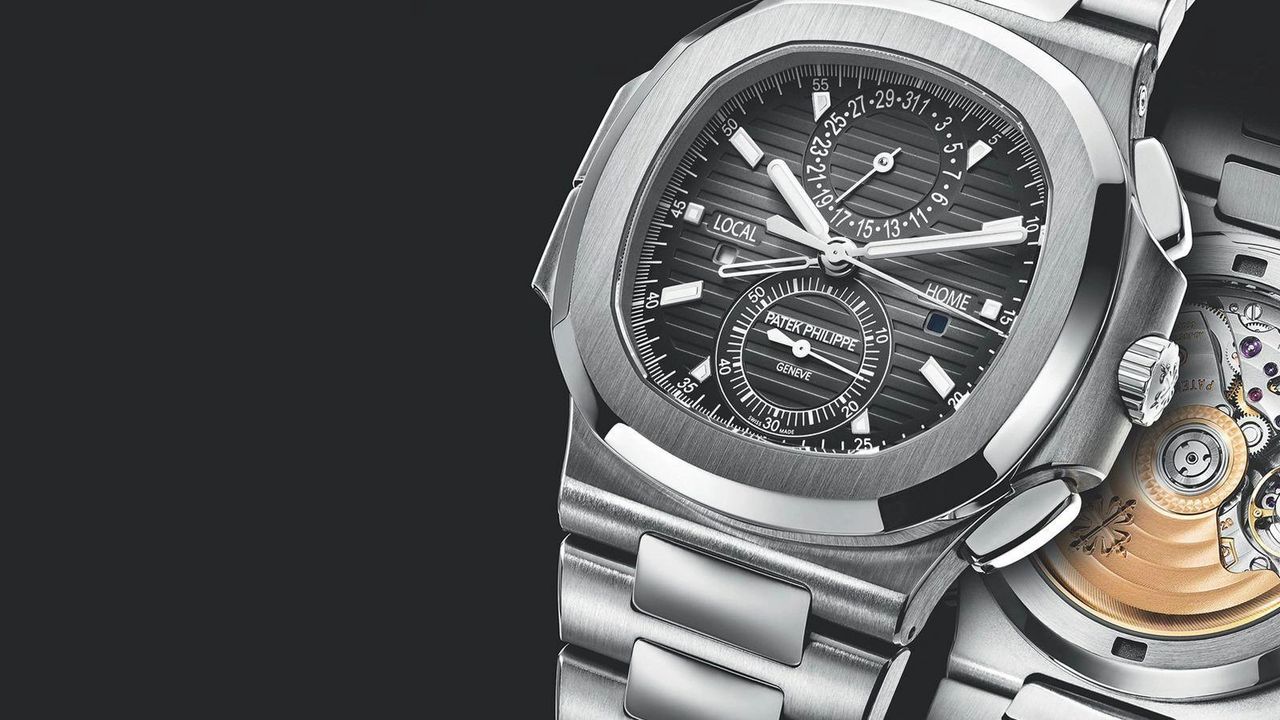
Patek Philippe and the Idea of Time That Outlives Us.
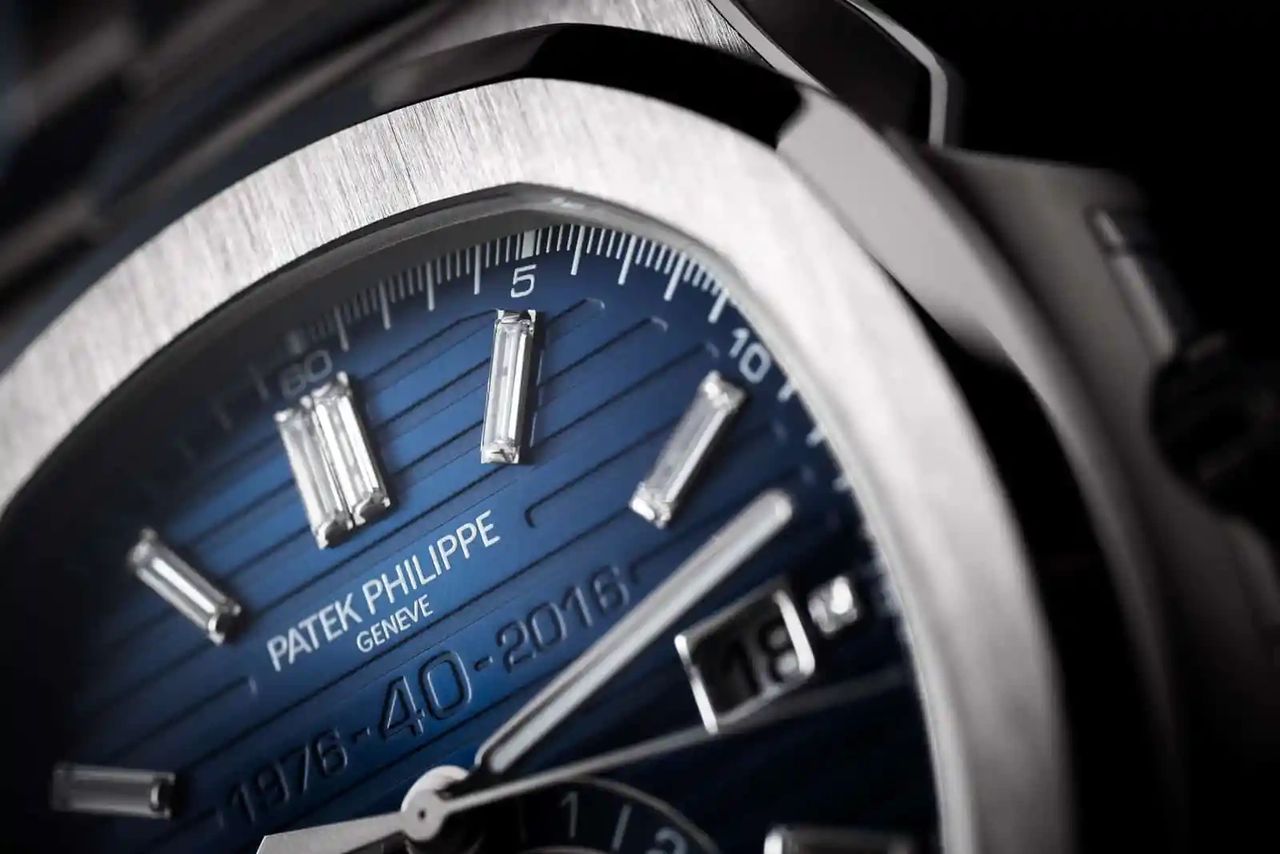
In 1925, a wristwatch was built that did something extraordinary: it knew the calendar decades into the future. It knew when February would have 28 days, when it would have 29, and it would continue adjusting itself long after the watchmaker who assembled it was gone. The purpose of the mechanism was not convenience. It was permanence.
This ambition — building watches intended to function correctly across generations — has defined Patek Philippe more than any marketing slogan or modern luxury positioning. From its earliest complicated watches to its most contemporary grand complications, the company has pursued an unusually difficult goal in watchmaking: ensuring that mechanical precision survives not just years of ownership, but decades of inheritance.
Mechanical watches often represent craftsmanship, engineering, or tradition. Patek Philippe represents something slightly different — the belief that a watch should be built with the expectation that someone not yet born may one day rely on it.
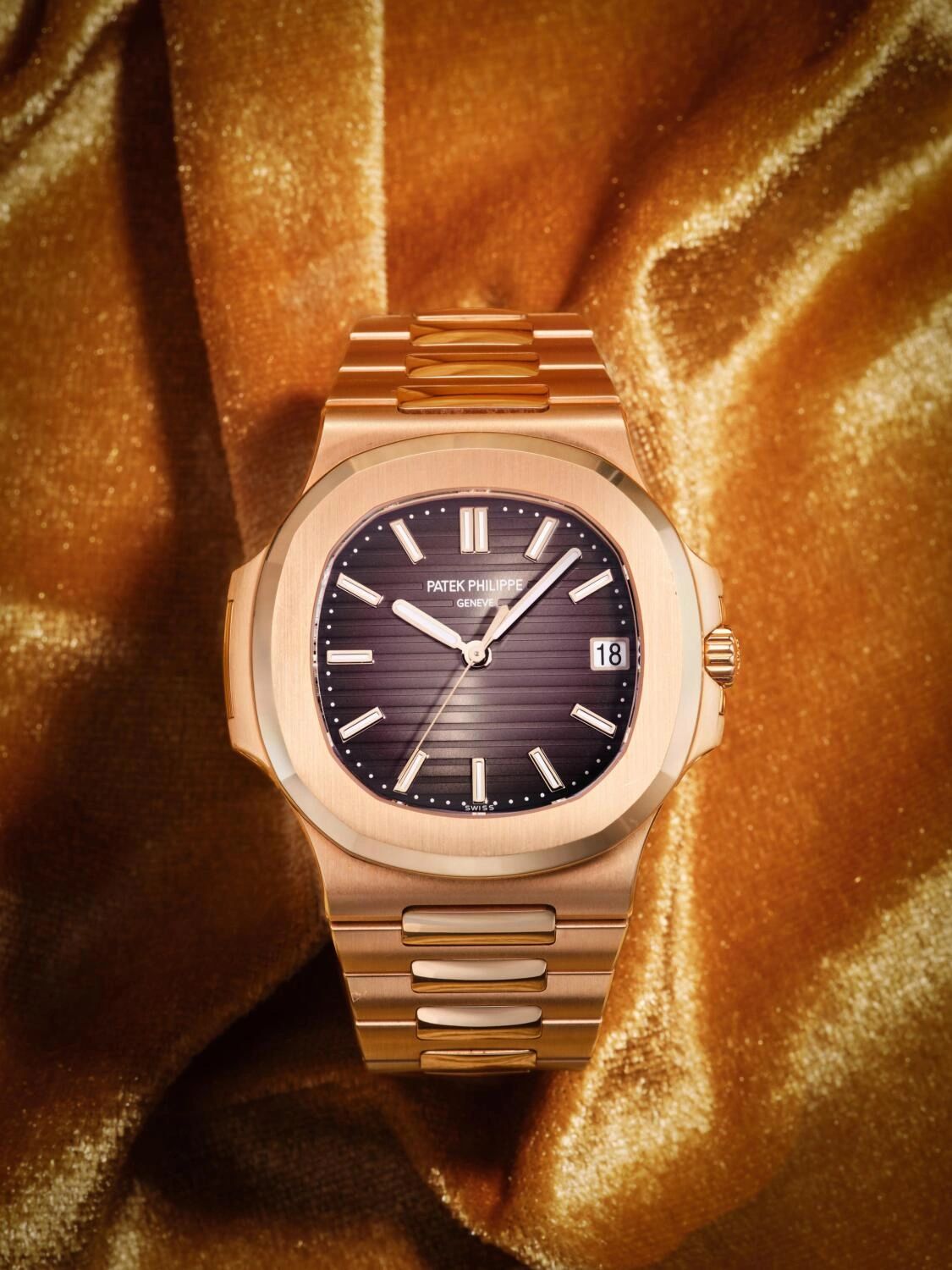
This philosophy emerged early in the company’s history, when complicated pocket watches were not designed merely as displays of technical skill but as instruments intended for sustained mechanical life. Minute repeaters, perpetual calendars, and astronomical complications were built with a clear understanding that their true test would not occur in the year they were sold, but in the decades that followed. A perpetual calendar, after all, is meaningful only if it continues to function correctly long after its original owner has disappeared from the timeline it measures.
Designing watches with such expectations required a fundamentally different approach to engineering. Movements had to be constructed not only for accuracy but for longevity. Components needed to withstand wear across generations, remain serviceable by future watchmakers, and maintain structural stability even after thousands of hours of operation. Finishing techniques — hand-polished bevels, carefully aligned gear teeth, and meticulously adjusted tolerances — were not simply aesthetic luxuries. They were mechanical safeguards, ensuring that friction remained controlled and performance remained stable over time.
This emphasis on durability gradually built something more powerful than prestige: trust. Collectors did not merely admire Patek Philippe watches; they relied on them. As decades passed and vintage pieces continued to operate reliably, the brand’s philosophy began to prove itself. Watches produced generations earlier were still keeping time, still activating their complications, still performing the functions for which they had originally been created. Reliability transformed into legacy.
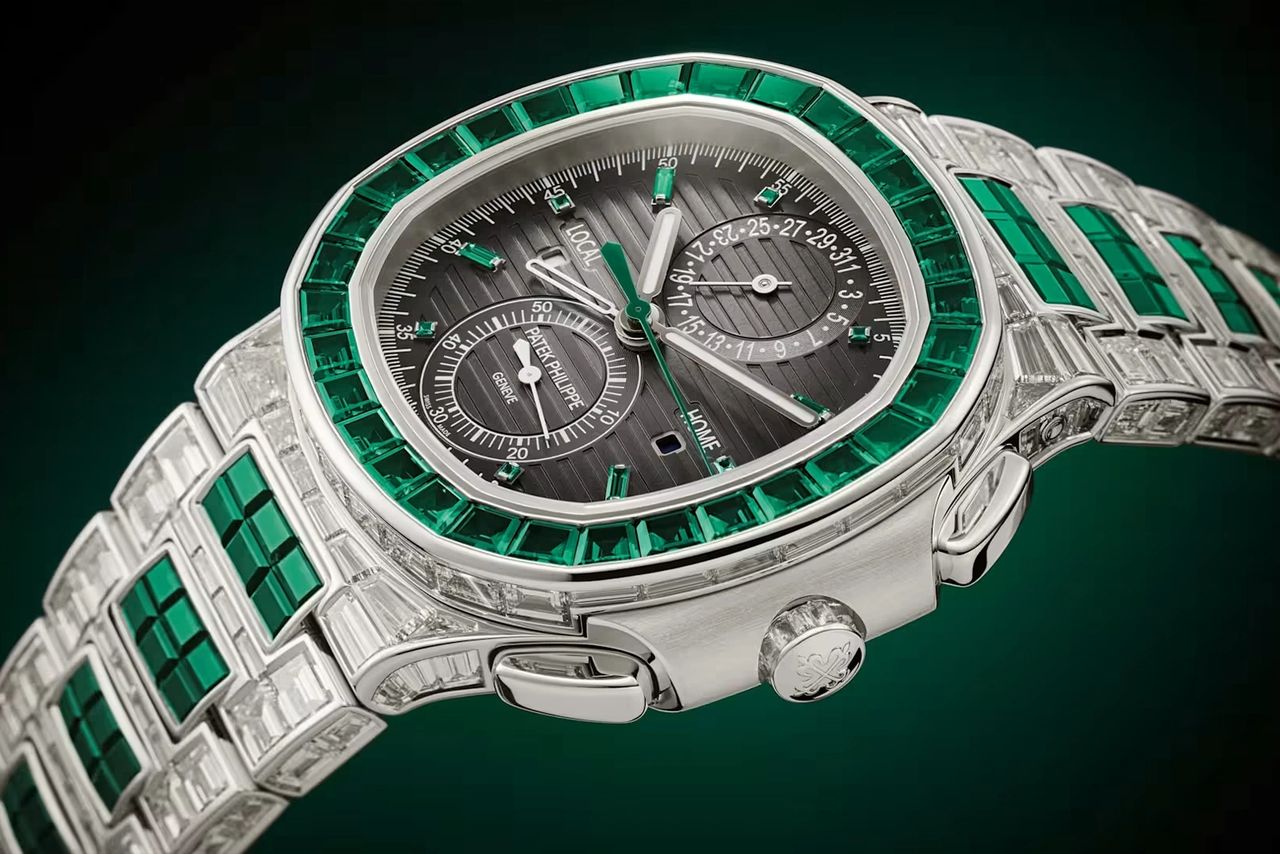
The cultural meaning of such watches evolved alongside this reliability. Ownership of a Patek Philippe watch often carries an implicit awareness that the relationship between wearer and object is temporary. Unlike many modern luxury goods designed for immediate consumption, these watches are frequently purchased with the understanding that they will eventually belong to someone else — a child, a grandchild, or another collector decades later. The watch becomes less an accessory and more a mechanical inheritance, something maintained not only for personal enjoyment but for continuity.
This long-term perspective also explains the brand’s unusually restrained approach to design evolution. Case shapes, dial layouts, and proportions change gradually rather than dramatically. Designs are refined carefully, ensuring that watches produced today will not feel visually obsolete decades from now. Timelessness, in this context, is not an abstract aesthetic aspiration; it is a practical requirement. A watch meant to last generations must remain visually coherent across those generations.
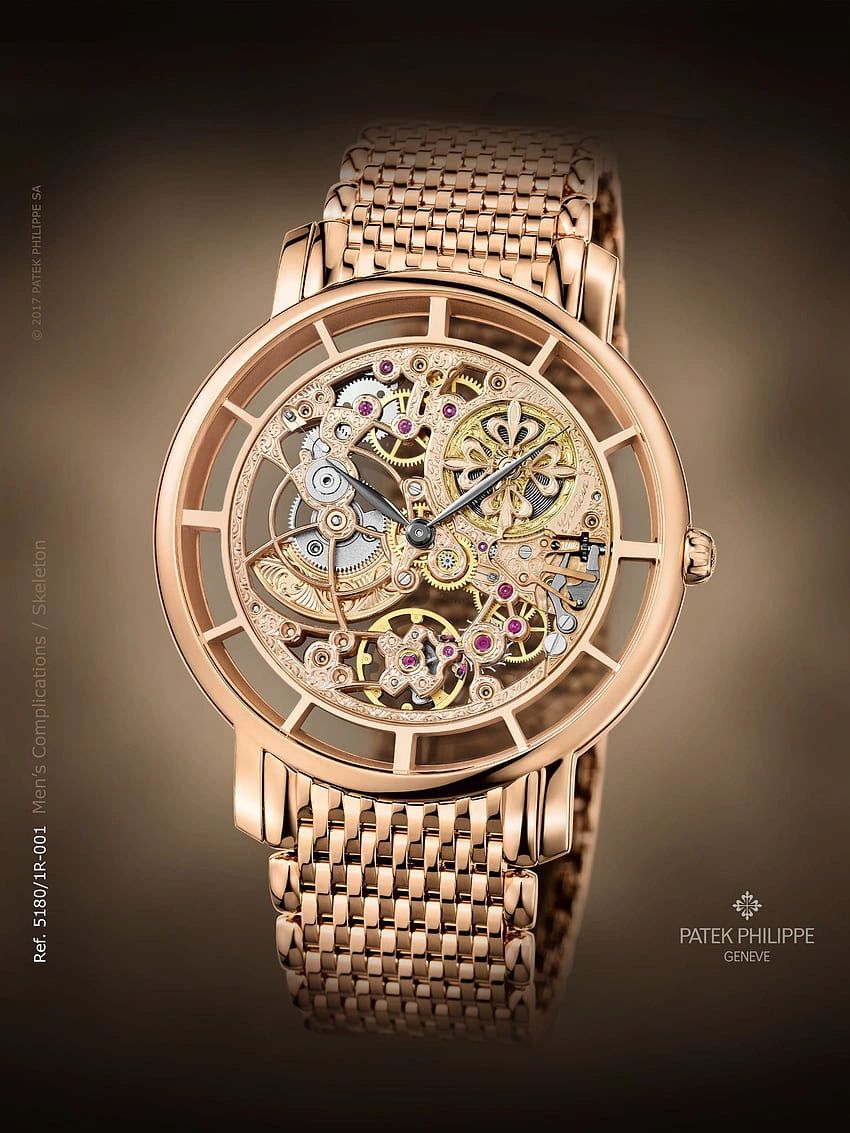
The same philosophy governs the company’s approach to complications. Grand complications at Patek Philippe are rarely treated as technical spectacles alone. They are engineered as mechanical systems expected to perform reliably across long operational lifespans. Creating a minute repeater or perpetual calendar that functions accurately for decades demands extraordinary attention to material behavior, component interaction, and long-term mechanical stability. These watches are not merely complex; they are designed to remain complex without failure.
Over time, this commitment shaped the broader watch industry’s understanding of high horology. Patek Philippe demonstrated that true luxury in watchmaking does not arise solely from rarity or decoration, but from endurance. A watch that continues to perform after half a century acquires a form of value that cannot be manufactured instantly. Each passing decade becomes part of the watch’s mechanical narrative, reinforcing the idea that longevity itself is a form of craftsmanship.
In today’s world, where electronic devices measure time with unmatched accuracy and are replaced within a few years, the philosophy behind such watches feels almost countercultural. Mechanical watches no longer compete with digital precision; instead, they compete on meaning. Patek Philippe’s answer to that challenge has been consistent: create watches that justify their existence not through technological superiority, but through permanence. The watch remains relevant not because it is the newest object, but because it continues to function reliably as time moves forward.
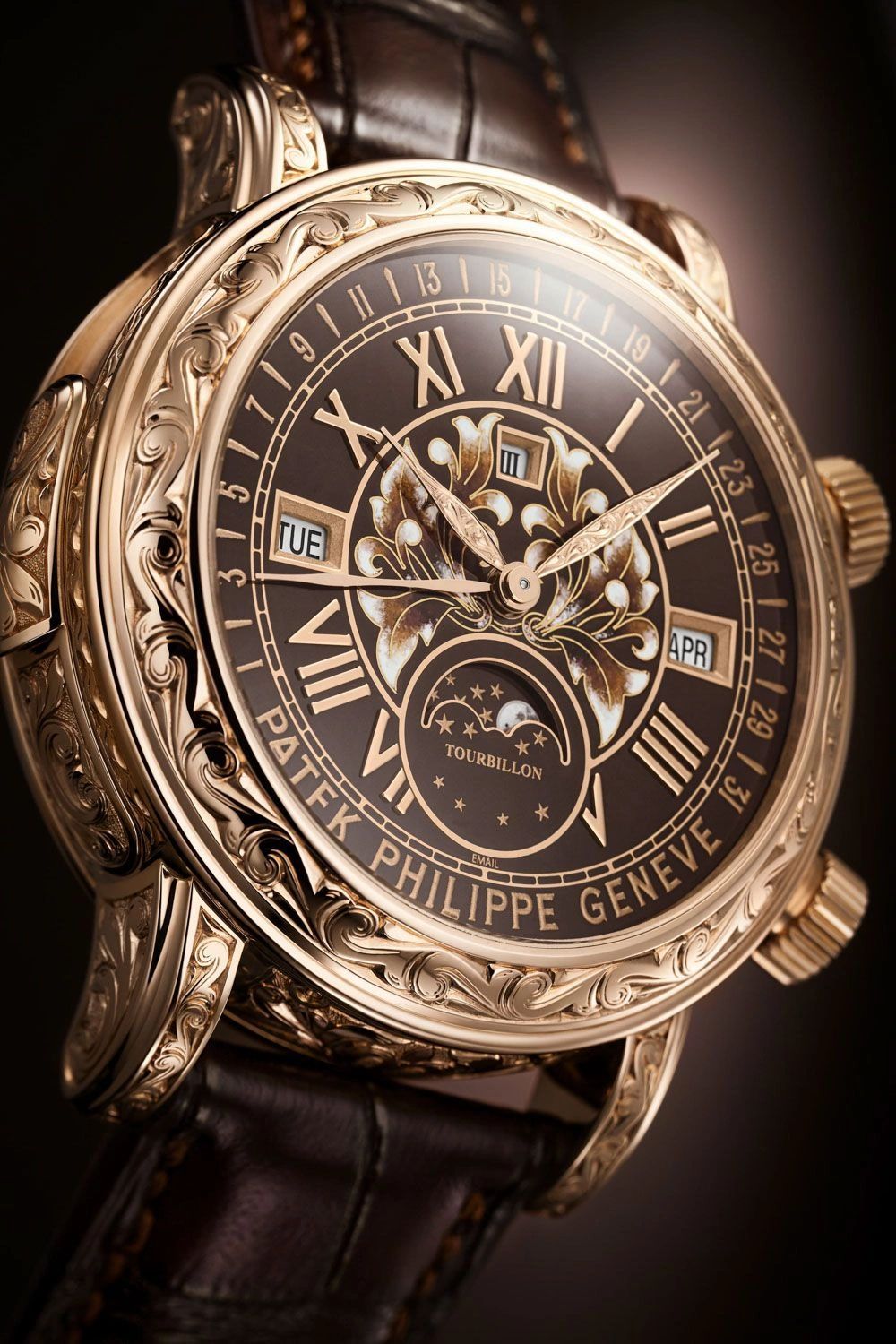
There is something profoundly human about this approach. People rarely think of their lives as isolated moments; they think in terms of continuity — family, legacy, and memory. A watch designed to move through generations mirrors that perspective. Each owner becomes a temporary guardian of the mechanism, responsible for maintaining it before passing it forward. The ticking movement inside the case quietly measures not only hours and minutes, but the passage of ownership itself.
This is why Patek Philippe occupies such a distinctive place in mechanical watchmaking. Its watches are not defined solely by complications, finishing, or historical reputation. They are defined by intention — the intention to create mechanical objects that remain meaningful long after the moment of purchase. While many luxury items are designed for immediate admiration, these watches are designed for extended relevance, accumulating emotional and historical weight as they move through time.
Ultimately, the idea that defines Patek Philippe is deceptively simple: a watch should be built not only for the present wearer, but for the future wearer as well. Every carefully finished bridge, every precisely machined wheel, and every complication engineered for long-term stability reflects that belief. The watch does not exist merely to accompany a single life; it exists to continue measuring time long after that life has passed.
In doing so, Patek Philippe transformed mechanical watchmaking into something larger than craftsmanship alone. It became a philosophy of continuity — a reminder that the most meaningful objects we create are often those designed not just to mark time, but to travel through it.