Breitling and the Love of Flying!
Before aviation became routine, it was an act of courage.
Early pilots did not fly with automated navigation systems, digital displays, or satellite guidance. They relied on instinct, maps, calculations, and above all, time. Distance, fuel consumption, descent rates, and navigation corrections were all tied to precise timing. A pilot’s watch was not an accessory — it was an operational instrument that determined whether a journey ended safely or not.
It was in this world that Breitling found its identity. While many watchmakers were building elegant dress watches or precision pocket chronometers, Breitling aligned itself with the new frontier of the sky. Aviation was unpredictable, mechanical, and unforgiving — conditions that demanded watches capable of functioning reliably in environments where errors had immediate consequences.
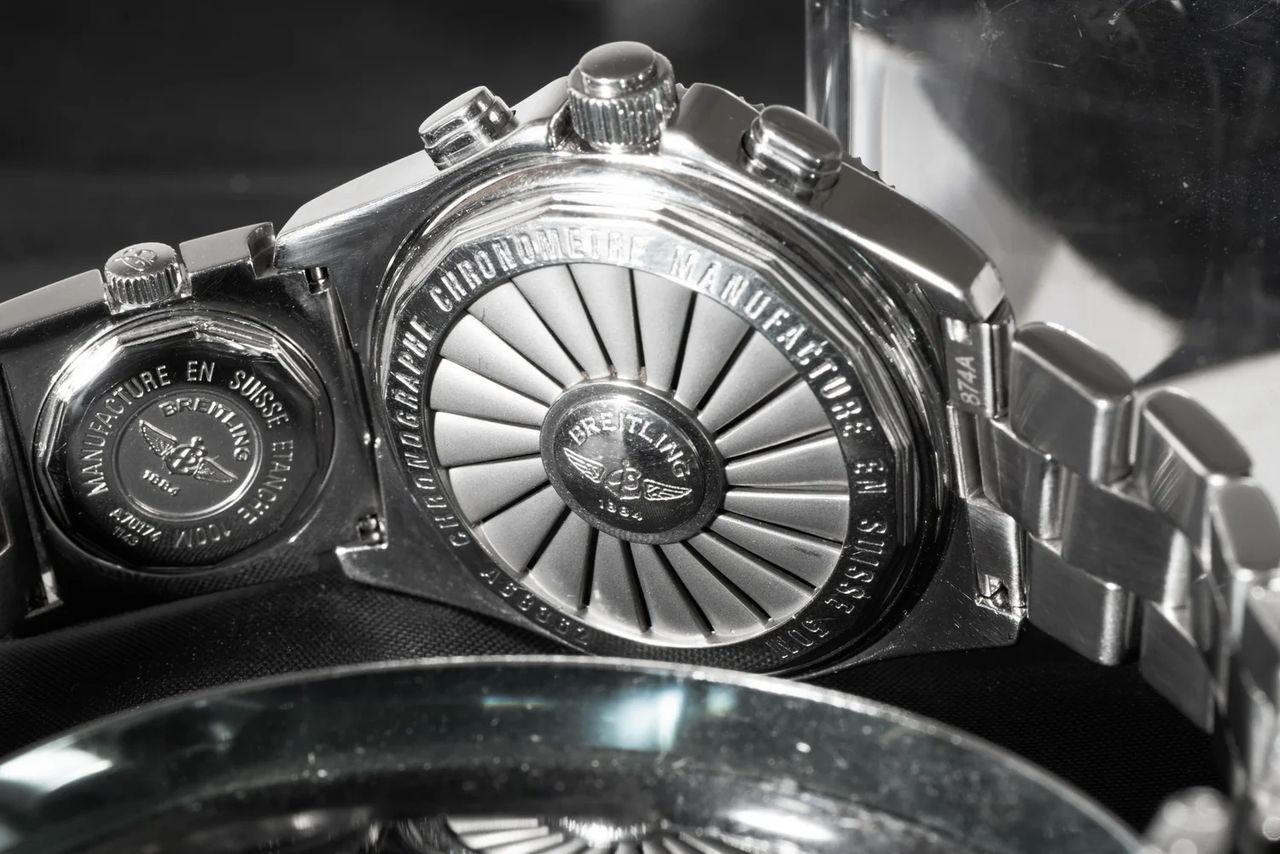
The early decades of flight created a new relationship between watches and human ambition. Pilots needed watches that could be read instantly under vibration, low visibility, and high stress. Chronographs became essential tools, allowing aviators to measure intervals during navigation calculations, flight legs, and fuel monitoring. Breitling recognized this need earlier than most, designing watches not simply to tell time but to assist pilots in managing it actively.
This connection between watchmaking and aviation was not marketing; it was collaboration. Aircraft cockpits were evolving rapidly, and the instruments within them required synchronization. Breitling supplied cockpit timers and specialized chronographs that integrated into aviation workflows. Over time, the brand’s watches became associated not just with pilots, but with the spirit of flight itself — the sense that time, altitude, and distance were part of a single mechanical equation.
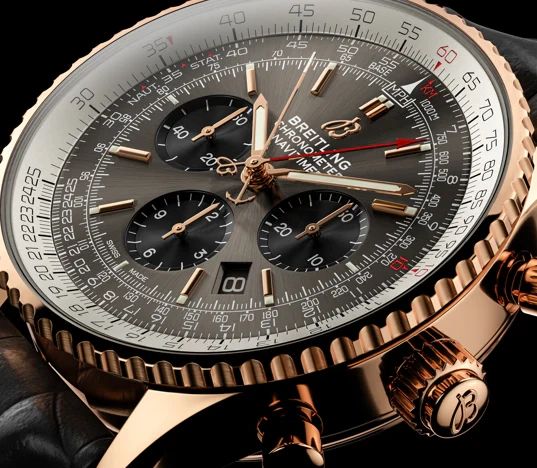
The creation of the Navitimer marked a defining moment in that relationship. Instead of requiring separate calculation tools, the watch incorporated a circular slide rule that allowed pilots to perform flight-related computations directly on the wrist. Fuel consumption, ground speed, climb rates, and distance calculations could be estimated without additional equipment. This was not a stylistic flourish; it was a solution to a real operational challenge faced by aviators navigating long distances with limited onboard technology.
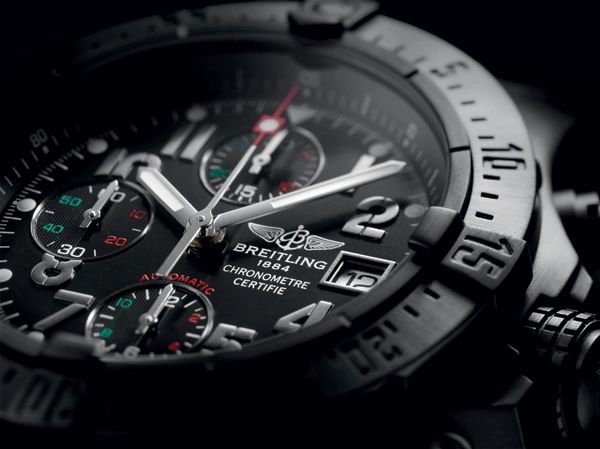
What makes this period of watchmaking remarkable is how closely mechanical design followed human necessity. Watches grew larger because pilots needed legibility at a glance. Hands became bolder because clarity mattered more than elegance. Rotating bezels and scales appeared because they solved real navigational problems. Every visual element had a reason to exist, and that reason was flight.
As aviation matured, electronic systems gradually replaced mechanical calculation tools, yet the association between Breitling and the sky remained. Pilots continued to wear the watches not because they were strictly required, but because they represented continuity with an earlier era of aviation — a time when flying demanded direct engagement with instruments and calculations. The watch became a reminder of when the cockpit was less automated and more dependent on human judgment supported by mechanical tools.
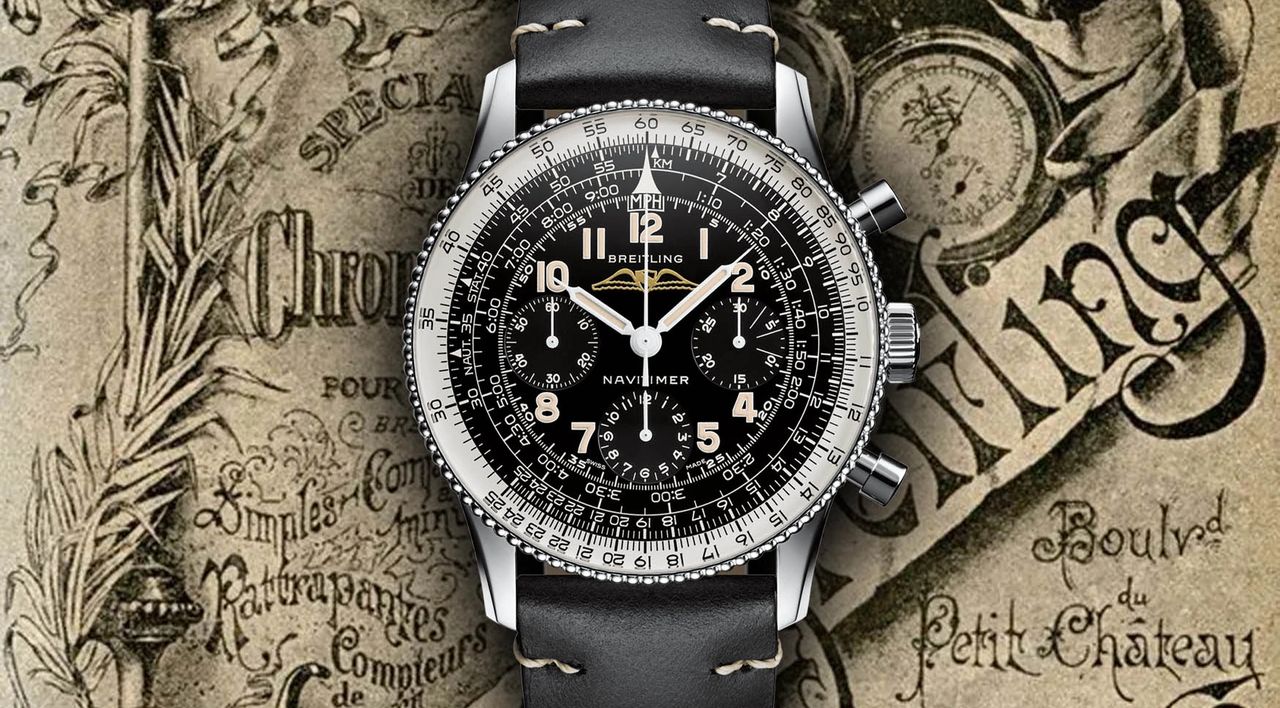
This historical connection also shaped Breitling’s visual identity. Even modern watches from the brand carry echoes of aviation instruments: large cases, high-contrast dials, prominent chronograph pushers, and functional scales that reflect cockpit instrumentation. These features are not nostalgic decorations; they are design languages inherited from practical aviation needs. The watches look technical because they were originally designed to function that way.
There is also an emotional dimension to Breitling’s enduring link with aviation. Flight represents a uniquely human ambition — the desire to move beyond natural limitations and navigate vast spaces that once seemed unreachable. Watches associated with that history carry a symbolic weight that goes beyond engineering. They represent exploration, precision, and the willingness to operate in environments where uncertainty is constant. Wearing an aviation chronograph is, in a small way, participating in that narrative.
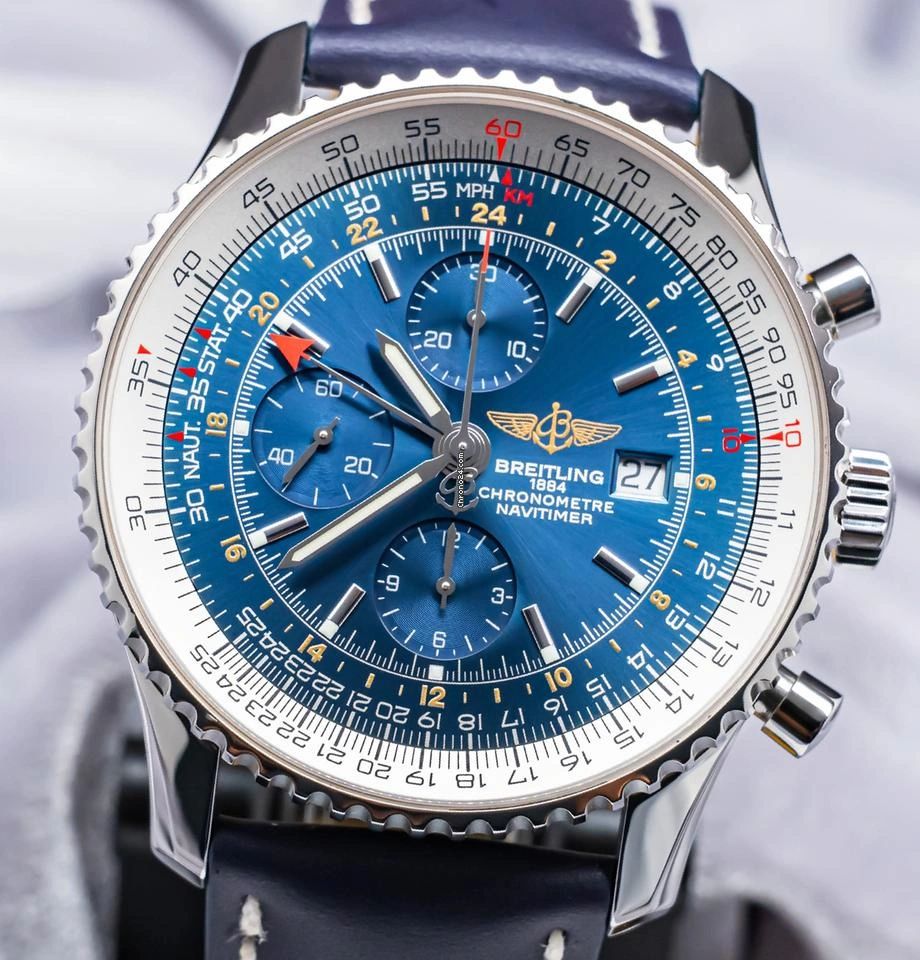
In an age where navigation is handled by satellites and cockpit instruments are digital, the mechanical aviation watch is no longer a necessity. Yet its relevance persists because it embodies a relationship between engineering and human aspiration that defined the twentieth century. The chronograph hands that once measured flight intervals now move largely for symbolic reasons, but they continue to represent a time when pilots depended on them directly.
Breitling’s history illustrates how watchmaking evolves when it aligns itself with human activity rather than abstract prestige. By building watches around the needs of aviators, the brand anchored itself to one of the most transformative technological movements of the modern era. Even as technology advanced and mechanical timing became less operationally critical, the emotional connection remained intact. The watches no longer guide aircraft across continents, yet they continue to reflect the era when mechanical precision helped make flight possible.
The enduring appeal of Breitling therefore lies not only in design or craftsmanship, but in the narrative of motion it carries. Aviation is defined by forward movement, calculation, and the courage to operate in an environment where small errors can have large consequences. Watches built for that environment inherit its seriousness. They are reminders that mechanical watchmaking once played an active role in expanding the boundaries of what humans could do.
The love of flying is ultimately a love of possibility — the idea that careful engineering, disciplined timing, and human determination can overcome physical limits. Breitling’s watches remain connected to that idea. Even when worn far from aircraft cockpits, they continue to echo a period in history when timekeeping was part of the machinery that allowed humanity to take to the skies.