Ulysse Nardin and the Sea That Still Moves Its Watches
Long before wristwatches became expressions of taste, they were instruments of consequence.
In the age of ocean navigation, timekeeping was not a matter of convenience. It was a matter of survival. Determining longitude at sea depended on knowing the precise difference between local time and a reference time kept aboard the ship. A small error in time could translate into miles of navigational miscalculation. Storms, currents, and uncertainty already made the sea unforgiving; inaccurate timekeeping made it dangerous.
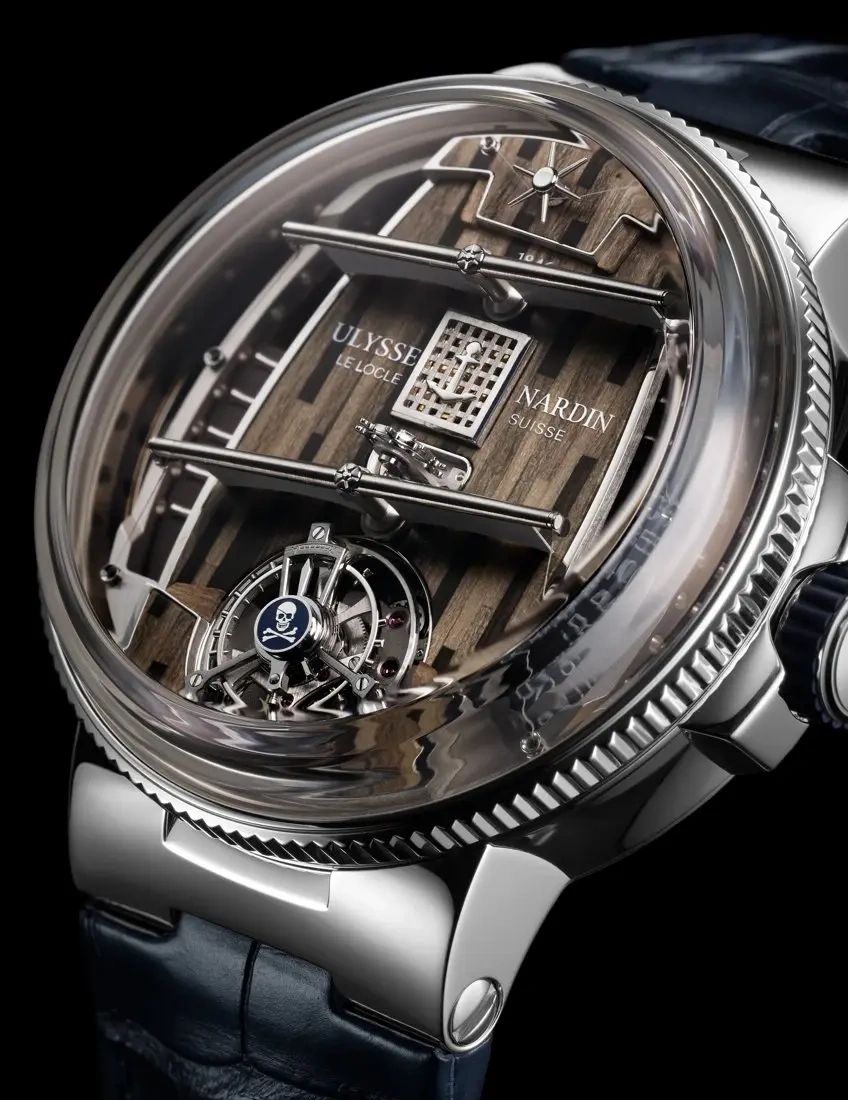
It was in this demanding world that Ulysse Nardin earned its authority. Its marine chronometers did not exist to impress collectors or define luxury. They existed because ships needed reliable instruments capable of maintaining accuracy through temperature variation, vibration, humidity, and long periods without maintenance. These chronometers were placed in wooden boxes mounted on gimbals, protected from the motion of the vessel, quietly keeping time while sailors relied on them to determine their position in a vast, shifting ocean.
Reputation, in that context, could not be manufactured. It was earned voyage by voyage, observation by observation. A chronometer that failed did not create disappointment — it created risk. A chronometer that remained accurate across months at sea became something far more valuable than a product: it became trusted equipment. Over time, navies and shipping fleets around the world came to depend on Ulysse Nardin instruments, not because the brand claimed precision, but because the instruments proved it repeatedly.
That early responsibility shaped the brand’s identity in a way few watchmakers experienced. When accuracy determines safety, engineering decisions become conservative by necessity. Stability matters more than novelty. Durability matters more than decorative ambition. Materials are chosen not for beauty but for performance under stress. This environment created a culture of mechanical discipline — a culture where watchmaking was approached as a scientific and navigational problem rather than an artistic one.
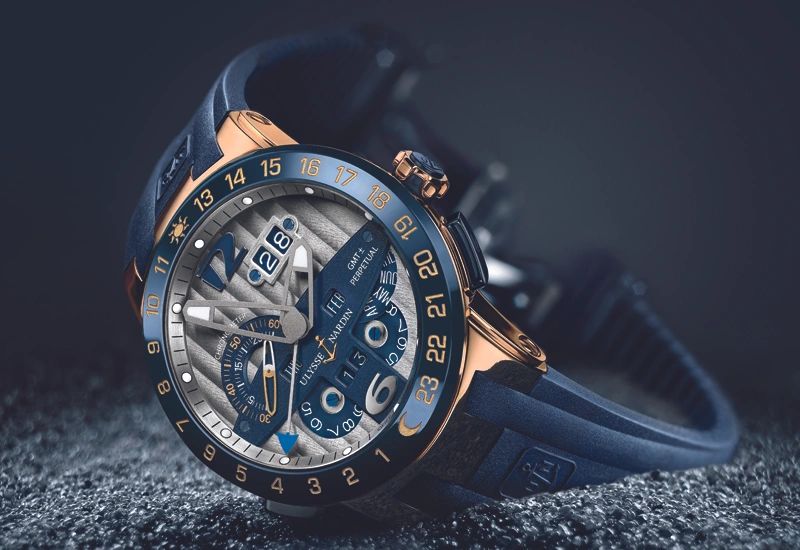
What makes Ulysse Nardin particularly compelling is what happened after that credibility was established.
Many companies that achieve recognition through technical reliability spend the rest of their existence preserving that reputation carefully, refining existing designs but avoiding radical departures. There is safety in repetition. There is predictability in continuity. Ulysse Nardin, however, chose a different trajectory. Once its authority in precision timekeeping had been secured, it began to explore how mechanical watchmaking could evolve if long-standing assumptions were questioned rather than protected.
This willingness to experiment did not emerge from a desire to shock the industry. It emerged from confidence. A brand that had already proven its ability to build instruments trusted at sea no longer needed to demonstrate seriousness through conservatism alone. It could begin asking new questions: What if materials unfamiliar to traditional watchmaking could solve mechanical limitations that had existed for centuries? What if friction, magnetism, and long-term wear could be reduced through new engineering approaches rather than incremental adjustments? What if the architecture of the movement itself could be reconsidered, allowing the mechanism to become both the timekeeping system and the visual identity of the watch?
These questions led to developments that would later influence the broader watchmaking industry. The use of advanced materials, particularly those resistant to magnetism and friction, addressed persistent mechanical challenges that had limited long-term accuracy. Such innovations rarely attract immediate attention from casual observers because they do not dramatically alter external design, yet their impact on reliability and maintenance intervals can be profound. They represent innovation at the structural level — changes that affect how a watch performs over decades rather than how it appears at first glance.
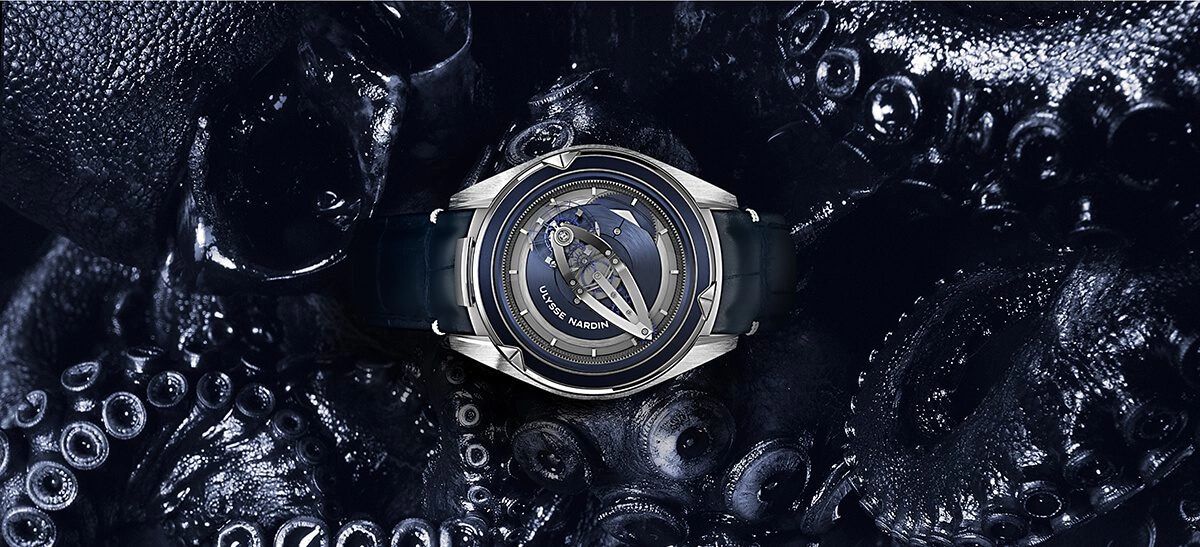
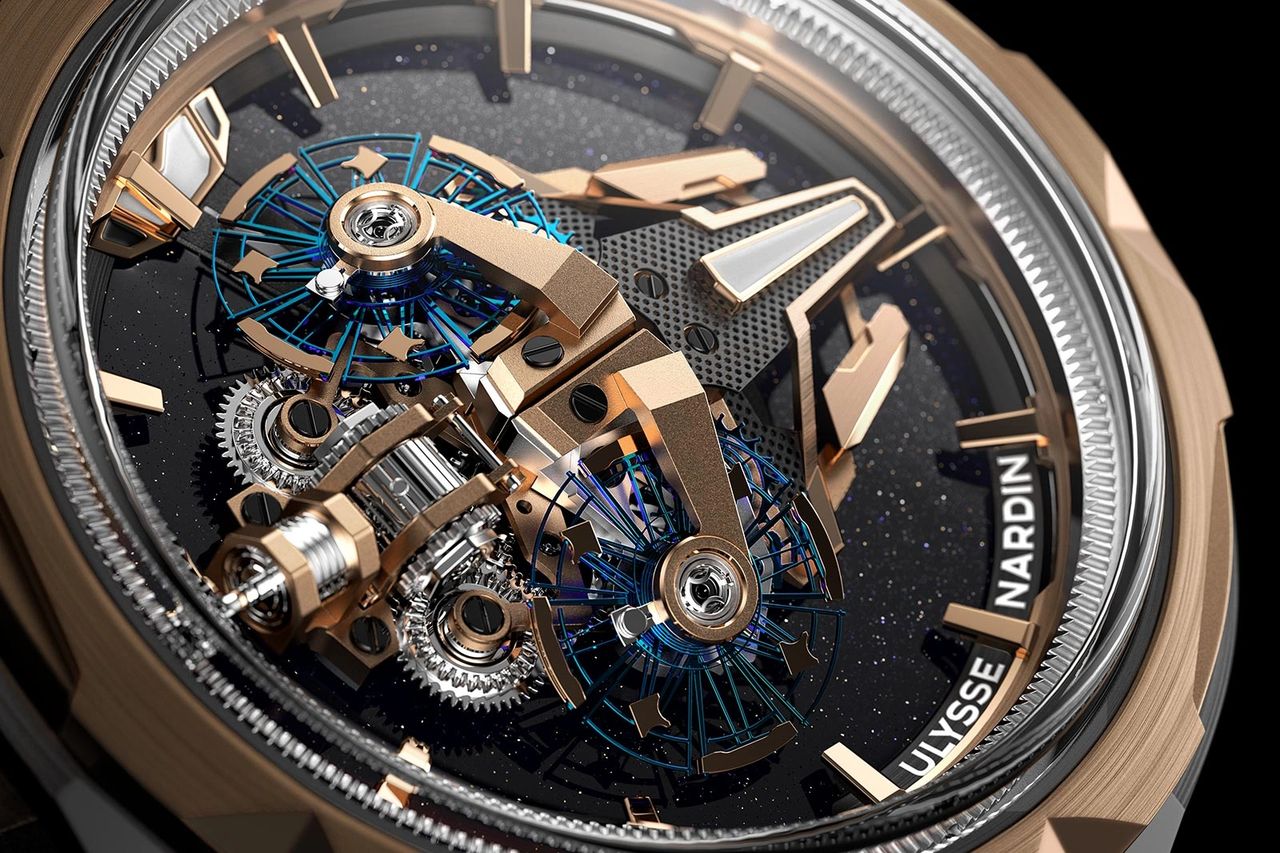
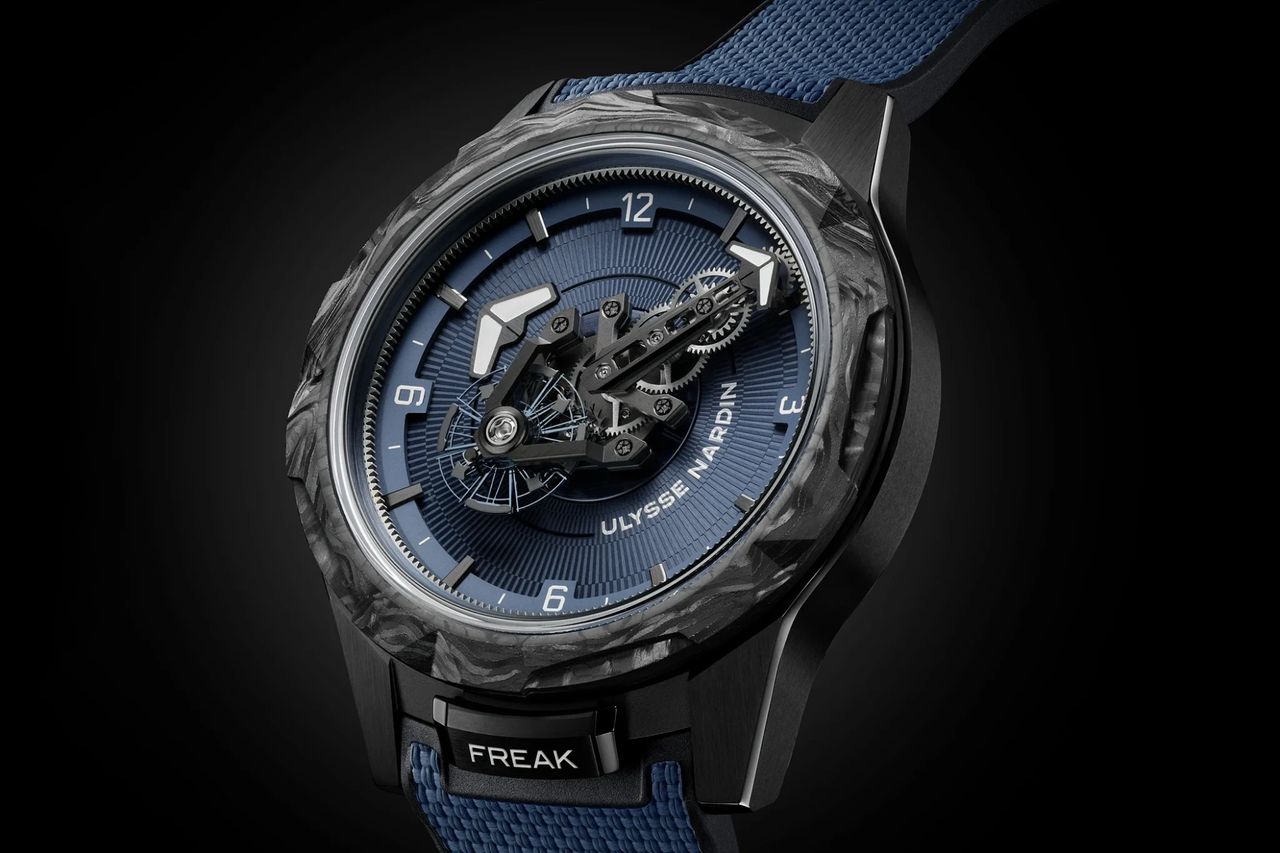
Perhaps the most striking expression of this experimental mindset appeared when the brand introduced unconventional movement architectures that replaced the traditional dial-and-hands arrangement with rotating mechanical assemblies that themselves indicated time. Instead of hiding the regulating mechanism beneath the dial, the watch allowed the wearer to witness the entire system in motion. The regulating organ, gear train, and time display became a single visible performance of mechanical precision. This approach challenged one of watchmaking’s oldest conventions: the assumption that engineering should remain concealed behind aesthetic simplicity.
To traditionalists, such watches felt disruptive. To others, they represented a logical extension of horological curiosity — a reminder that mechanical watchmaking is not obligated to repeat the same visual language indefinitely. By turning the movement into the dial, Ulysse Nardin effectively invited observers to engage directly with the mechanics of timekeeping rather than merely reading the result.

Despite these explorations, the brand never abandoned the principles that defined its origins. Even its more classical marine-inspired wristwatches carry echoes of the navigational instruments that built its reputation. The symmetrical layouts, restrained typography, and balanced proportions reflect a lineage rooted in clarity and measurement rather than ornamentation. These watches feel composed not because they aim to evoke nostalgia, but because their design logic descends from instruments created for functional clarity. When worn today, they retain a quiet connection to their maritime ancestry — a reminder that the brand’s identity was shaped not in drawing rooms, but on ship decks and observatory benches.
In the broader world of watchmaking, many brands align themselves strongly with either tradition or innovation. Some emphasize historical continuity so heavily that experimentation becomes difficult. Others pursue novelty so aggressively that coherence begins to erode. Ulysse Nardin occupies a rarer middle ground. Its tradition provides authority for experimentation, and its experimentation prevents tradition from becoming static. The two forces reinforce rather than oppose each other.
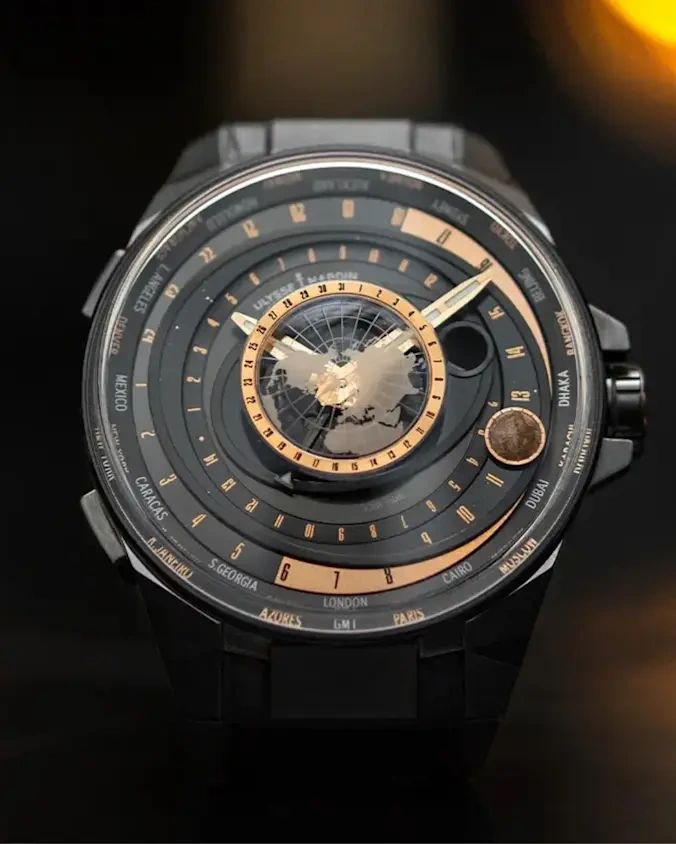
This balance is not accidental. A company shaped by marine navigation understands something fundamental about progress: movement without direction is meaningless, but direction without movement leads nowhere. The same philosophy applies to watchmaking. Precision alone is not enough to sustain relevance across generations, and innovation alone is not enough to sustain credibility. When engineering discipline and exploratory thinking coexist, mechanical watchmaking remains both reliable and intellectually alive.
Today, ships navigate using satellite systems rather than marine chronometers, yet the principles that once made those instruments essential still define meaningful horology. Stability under varying conditions, resistance to environmental influences, and long-term mechanical reliability remain the foundations of serious watchmaking. Ulysse Nardin’s continued focus on these principles, even while experimenting with new materials and unconventional designs, demonstrates that heritage can function as a platform for exploration rather than a constraint.
The story of the brand, therefore, is not simply one of historical chronometers or modern experimental watches. It is the story of a watchmaker that understood early that precision must be proven before it can be reinvented. Its past at sea did more than build its reputation — it shaped a mindset that treats innovation not as rebellion against tradition, but as its natural continuation. Just as navigators once relied on accurate timekeeping to move confidently across unknown waters, Ulysse Nardin continues to move forward guided by the same underlying principle: precision provides the compass, and curiosity provides the direction.