Watches That Survived World War II
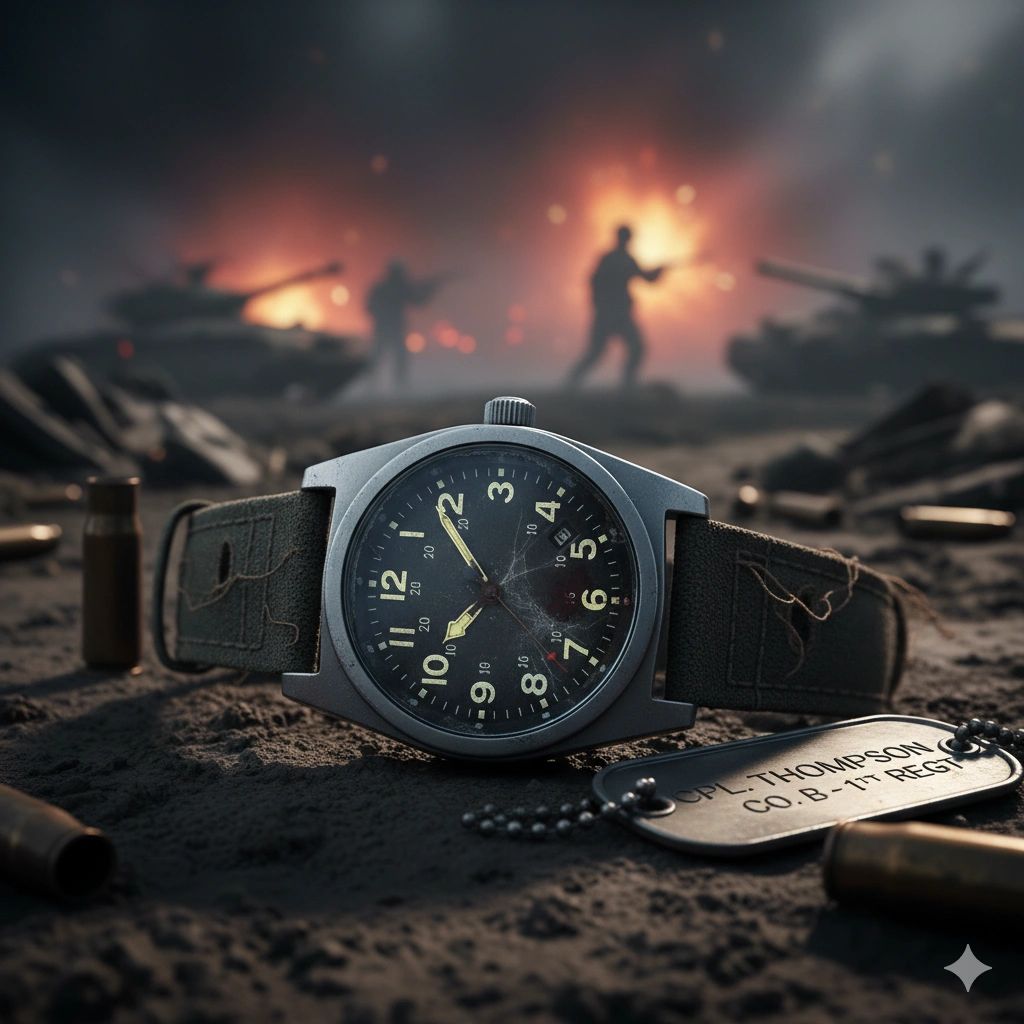
World War II did not care about craftsmanship.
It did not care about finishing, heritage, or brand reputation. It did not care whether a watch was elegant, expensive, or admired. It cared about one thing only: whether it worked.
In mud, in cold, in heat.
Under shock, fear, exhaustion, and chaos.
The watches that survived World War II were not icons when they were made. They were not luxury objects. They were tools — issued, worn hard, repaired when possible, discarded when they failed.
Many did fail.
Many were lost with their owners.
The few that survived carry a different kind of legitimacy. Not because they are rare today — but because they were necessary then.
Before the war, wristwatches were still earning trust.
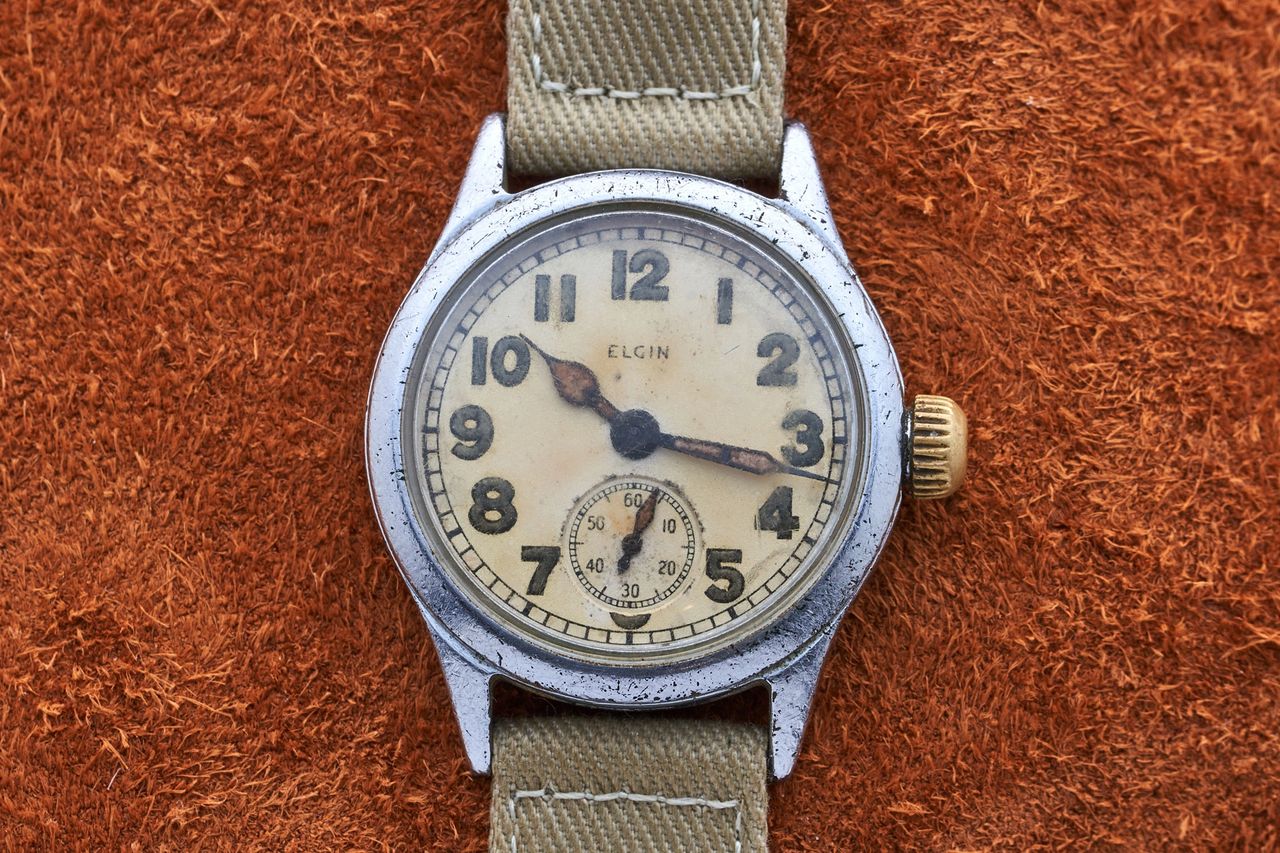
Pocket watches had ruled for generations. Wristwatches were convenient, yes, but often considered fragile. Water resistance was inconsistent. Shock protection was limited. Accuracy could drift under stress. For many, wristwatches were accessories rather than instruments.
The war ended that debate permanently.
Modern warfare demanded coordination at a scale never seen before. Troop movements, artillery barrages, air raids, amphibious landings — all depended on precise timing. Time was no longer abstract. It was tactical.
A few seconds of error could mean missing a rendezvous.
A few minutes could mean friendly fire.
A mistimed maneuver could cost lives.
The wristwatch became indispensable.
Nowhere is this more clearly embodied than in the watches supplied to soldiers.
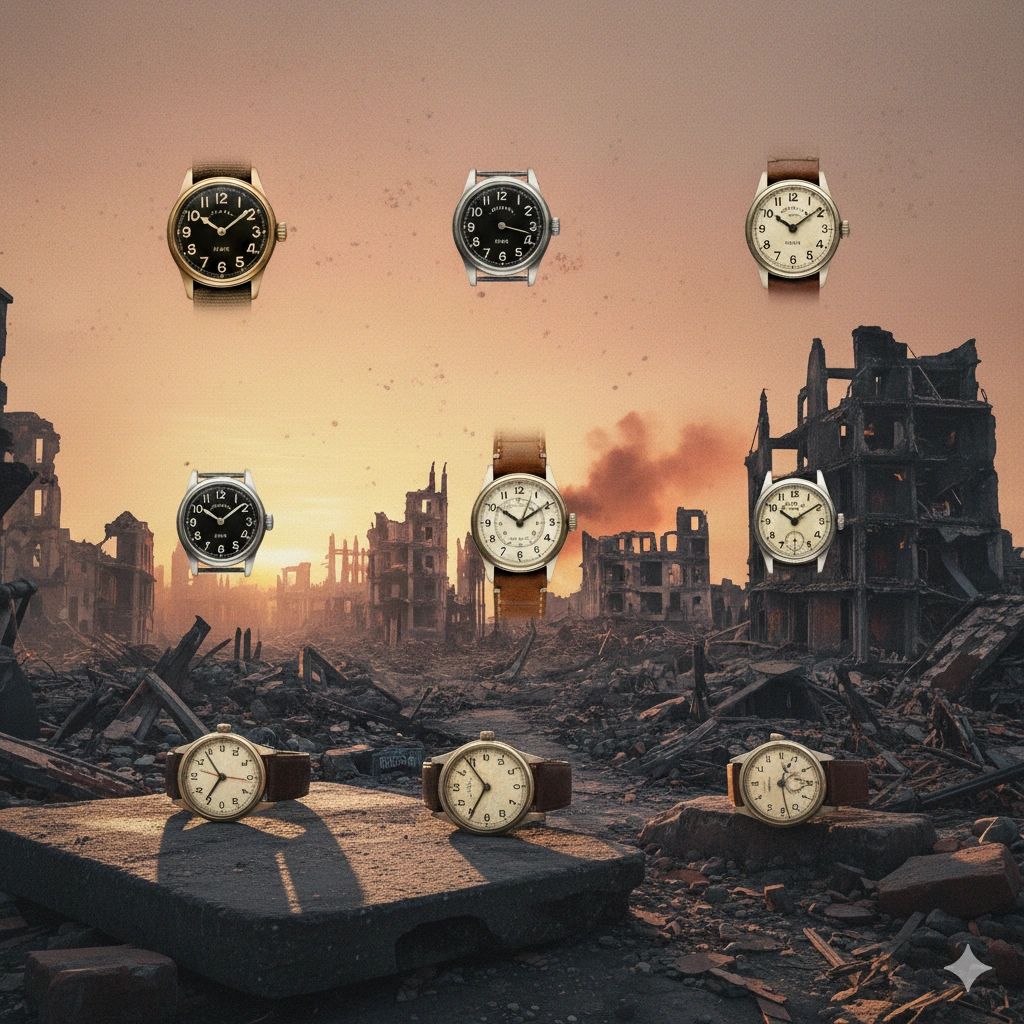
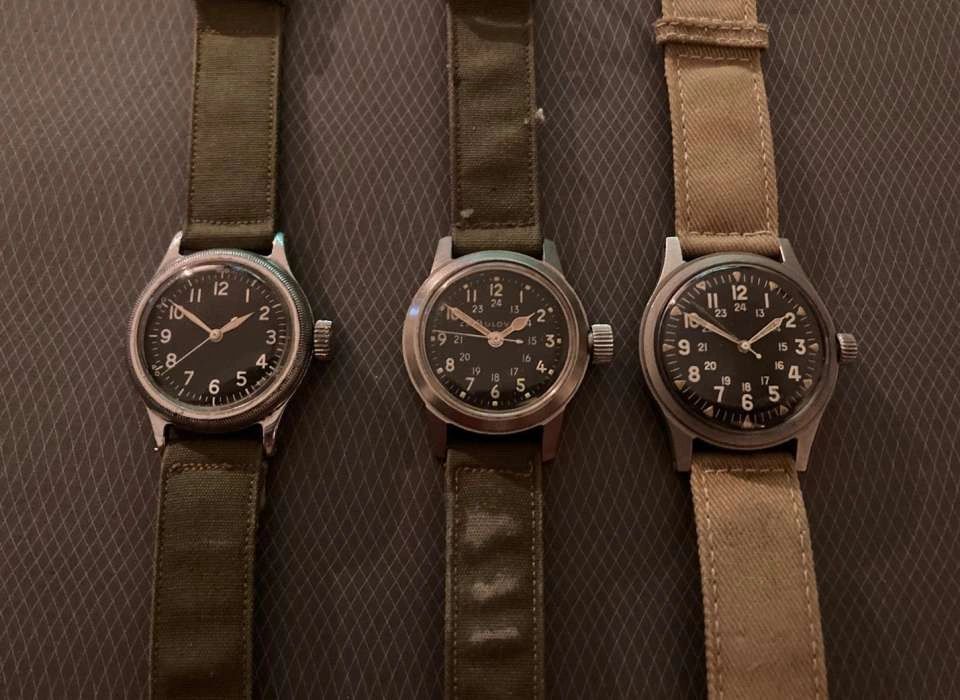
In Britain, the Ministry of Defence commissioned wristwatches marked WWW — Wrist Watch Waterproof — from multiple manufacturers. These watches were not designed to impress. They were designed to comply.
Clear Arabic numerals.
High-contrast black dials.
Radium lume for low light.
Manual movements that could be repaired in the field.
Cases that resisted dust, moisture, and shock as best as contemporary engineering allowed.
These watches later became known as the “Dirty Dozen.” At the time, they were simply issued equipment.
There was no romance in their creation. Only specification. Only necessity.
What makes them powerful today is not their uniformity, but their honesty. They look exactly like what they were: instruments built to survive chaos.
In the air, the demands were even harsher.
Pilots relied on watches not merely to tell time, but to navigate. Dead reckoning depended on precise intervals. A few seconds off course could mean missing a target — or missing home entirely.
Aviation watches grew larger out of necessity. Oversized crowns allowed operation with gloved hands. Dials prioritized legibility over elegance. Movements were regulated for stability under vibration, altitude, and temperature shifts.
These watches were glanced at under extreme stress, often in seconds that mattered profoundly.
Many did not survive those conditions.
The ones that did were not refined. They were resilient.
In the air, the demands were even harsher.
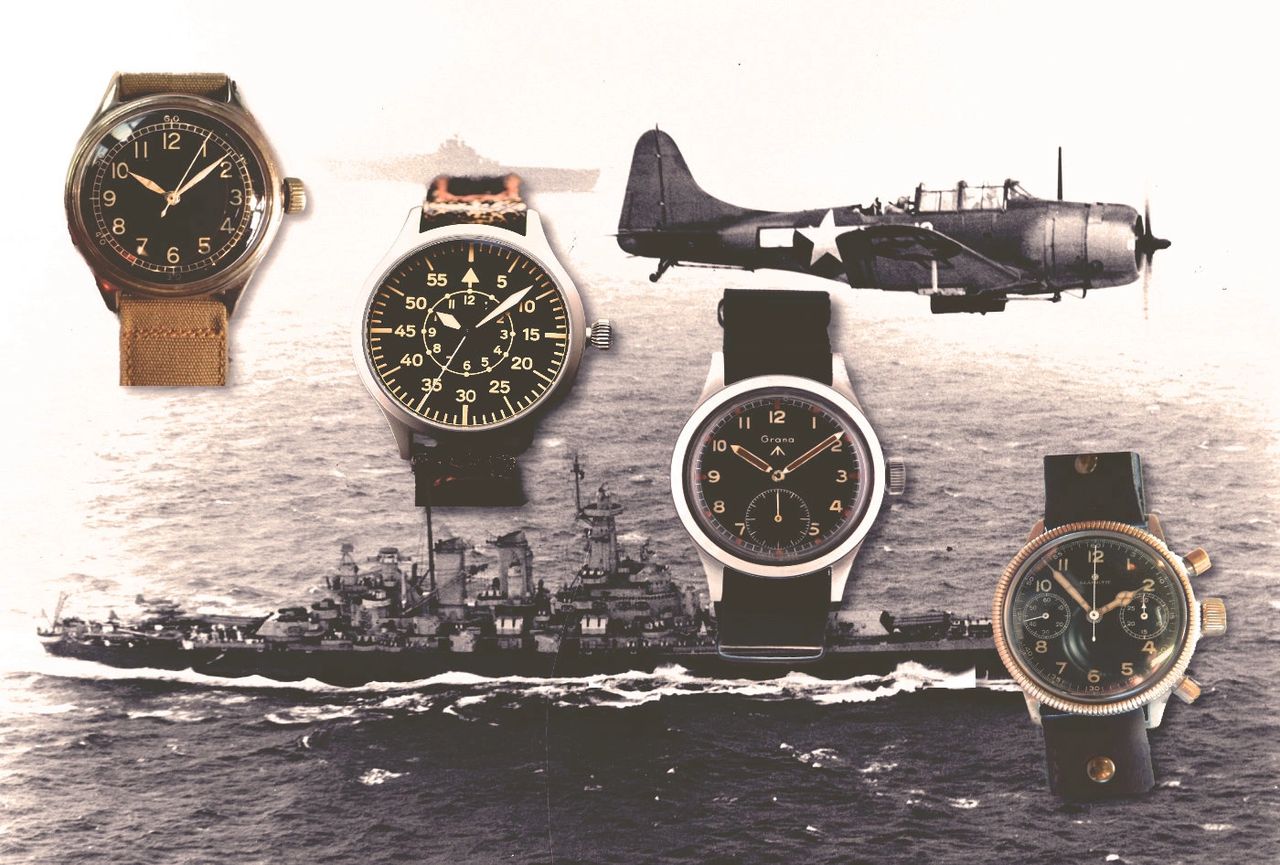
Pilots relied on watches not merely to tell time, but to navigate. Dead reckoning depended on precise intervals. A few seconds off course could mean missing a target — or missing home entirely.
Aviation watches grew larger out of necessity. Oversized crowns allowed operation with gloved hands. Dials prioritized legibility over elegance. Movements were regulated for stability under vibration, altitude, and temperature shifts.
These watches were glanced at under extreme stress, often in seconds that mattered profoundly.
Many did not survive those conditions.
The ones that did were not refined. They were resilient.
At sea, watches faced a different enemy.
Saltwater corrodes relentlessly. Humidity seeps into every weakness. Constant motion punishes poor sealing. Naval operations required timepieces that resisted not impact, but decay.
This environment accelerated one of the most important shifts in watchmaking: water resistance as a baseline expectation.
Before the war, water resistance was a novelty. After the war, it became a necessity. Crowns improved. Gaskets evolved. Case construction tightened. These developments were not driven by marketing — they were driven by failure.
What we now take for granted as “everyday durability” was forged under these conditions.
What separates watches that survived World War II from modern tool watches is not specification.
It is context.
These watches were not worn for adventure. They were worn for survival. Their scratches are not aesthetic choices. Their faded lume is not curated patina. Every mark represents use under conditions no modern test can fully replicate.
Many were repaired repeatedly. Parts were swapped without concern for originality. Dials aged unevenly. Movements ran far beyond recommended service intervals.
And still, some survived.
Not pristine.
Not perfect.
But alive.
World War II stripped watchmaking of pretence.
There was no room for decorative excess. No tolerance for fragility. No patience for innovation that did not improve function. The war forced the industry to confront reality — brutally and efficiently.
When the war ended, wristwatches emerged transformed.
They were no longer accessories.
They were proven instruments.
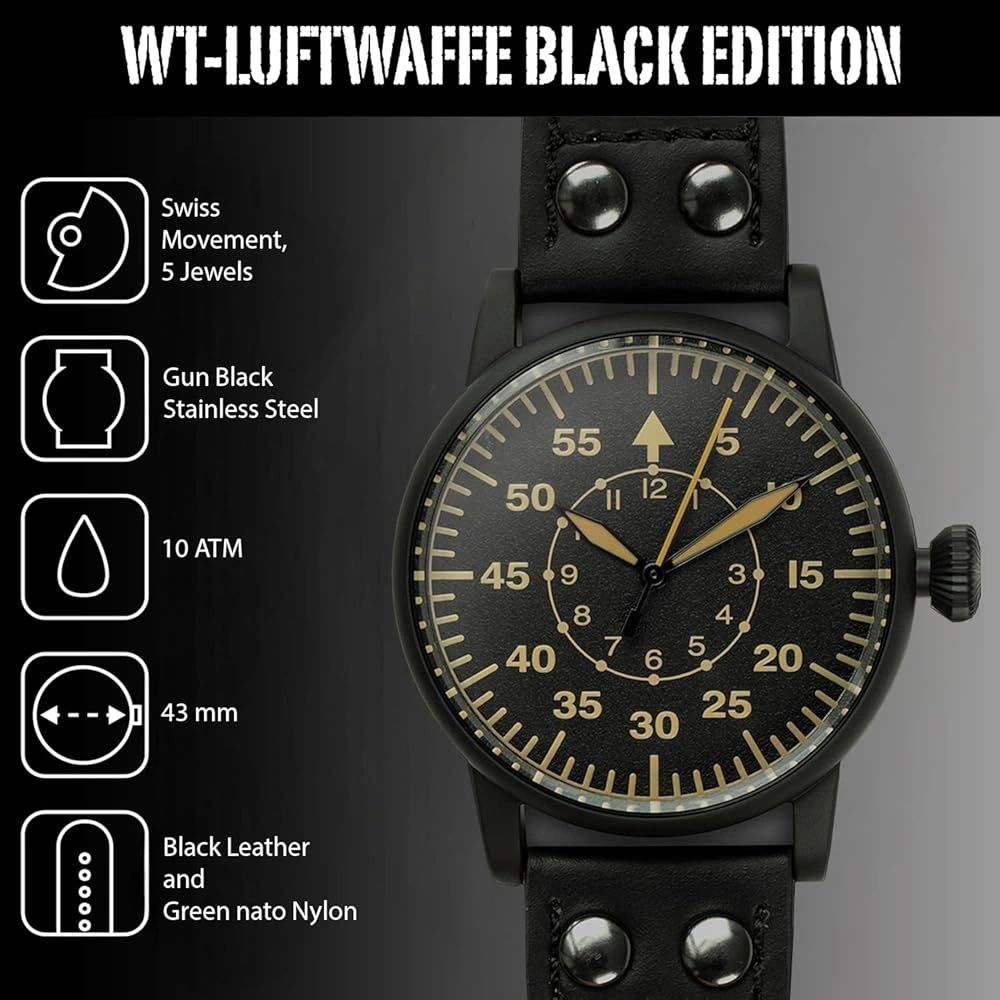
This shift laid the foundation for post-war watchmaking. Dive watches, pilot watches, field watches — all trace their legitimacy back to wartime necessity. The modern idea of the “tool watch” was born not in marketing departments, but in conflict.
There is a reason watches that survived World War II feel different on the wrist today.
They carry weight.
Not financial value — though many are valuable now — but historical gravity. They remind us that mechanical watches once mattered not because they were beautiful, but because they worked when nothing else could be trusted.
In an age where tool watches are often lifestyle accessories, these watches serve as a quiet correction. They remind us what the word “tool” once meant.
Not rugged styling.
Not adventurous branding.
But dependence.
These watches survived not because they were collectible.
They survived because they were needed.
They were worn until they failed — and sometimes beyond. They were repaired until repair was impossible. They were trusted without ceremony.
That trust was earned under the harshest conditions imaginable.
No reissue, no matter how faithful, can fully recreate that.
Because what made these watches endure was not their design alone — but the world they were forced to survive.