How Audemars Piguet Quietly Took Control of Modern Watchmaking?
In modern watchmaking, most brands are busy proving something.
Proving relevance.
Proving innovation.
Proving heritage still matters.
Audemars Piguet is doing something else entirely.
It’s waiting.
And while everyone else rushes to explain themselves, AP keeps tightening its grip — not through noise, but through control.
At first glance, AP doesn’t seem dominant.
It doesn’t produce the most watches.
It doesn’t shout the loudest.
It doesn’t flood every category.

And yet, remove Audemars Piguet from the modern watch landscape and something collapses. The luxury sports watch category loses its anchor. Design-led horology loses its credibility. Steel loses its authority.
That’s not coincidence. That’s positioning.
The Royal Oak was not a watch. It was a statement.
In 1972, AP did something that still feels uncomfortable today: it made steel expensive without apology. Not by complication. Not by heritage storytelling. But by design discipline.
The Royal Oak didn’t charm its way into acceptance. It confronted the market. Sharp edges. Exposed screws. Industrial finishing presented as luxury.
What made it dangerous wasn’t boldness — it was confidence.
AP didn’t ask whether the market was ready. It decided what readiness would look like.
That single decision still shapes modern watchmaking more than most recent “innovations” combined.
Here’s where AP becomes interesting.
Most brands that create an icon spend the rest of their lives trying to escape it — expanding, diversifying, over-explaining. AP did the opposite.
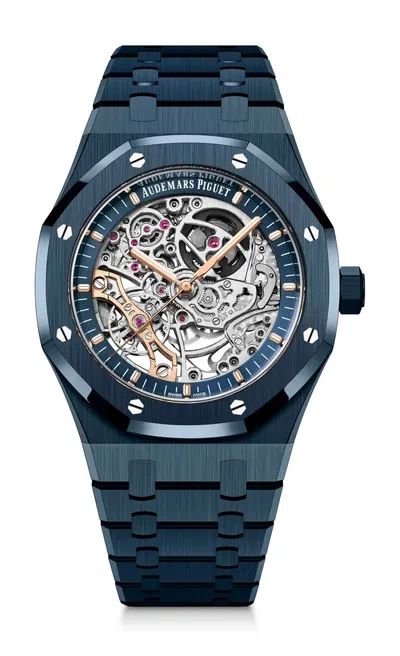
It doubled down.
Instead of diluting the Royal Oak, it weaponized consistency. Same geometry. Same visual tension. Same refusal to soften edges for mass appeal.
This is where AP separated itself from everyone else.
While others chased growth through variety, AP chased dominance through focus.
And focus, sustained long enough, becomes authority.
AP understands something most brands still struggle with: modern luxury is not about surprise — it’s about control.
The Royal Oak hasn’t stayed relevant because it evolves fast. It’s stayed relevant because it evolves just enough. Every change is measured. Every update absorbed quietly.
Owners don’t feel left behind. Collectors don’t fear obsolescence. The watch you bought years ago still feels correct — not because it’s frozen in time, but because it was designed with restraint from the beginning.
This is not creativity constrained.
This is creativity disciplined.
Culturally, AP plays a different game.
Rolex sells assurance.
Hublot sells expression.
AP sells self-possession.
AP watches are not for explaining. They are for people who don’t need to justify taste. They sit comfortably in modern culture — not as spectacle, but as signal.
That’s why AP appears everywhere without feeling overexposed. In art. In sport. In contemporary design. Always present, never desperate.
AP doesn’t chase relevance.
It assumes it.