Why Mechanical Watches Refuse to Become Obsolete?
There was a time when the disappearance of mechanical watches seemed inevitable.
Quartz watches were cheaper, more accurate, and required no care. Then came digital displays, atomic synchronization, and smartphones — devices that tell time perfectly, everywhere, without effort. By every rational measure, the mechanical watch should have become a relic, quietly replaced by something better.
And yet, it didn’t.
Mechanical watches did not merely survive. They endured. They remained relevant not as tools, but as objects of choice — worn deliberately by people who had no practical reason to wear them at all.
That refusal to disappear is not accidental. It is rooted in something deeper than nostalgia or luxury.
Mechanical watches stopped being about timekeeping long before timekeeping became irrelevant.
For most of history, measuring time was difficult. Accuracy mattered because it was scarce. A good watch was valuable because it solved a real problem.
Today, accuracy is everywhere. Time has become ambient — embedded into phones, cars, laptops, appliances. When something becomes perfectly accessible, it loses emotional weight. We no longer notice timekeeping. We simply assume it.
Mechanical watches exist outside that assumption.
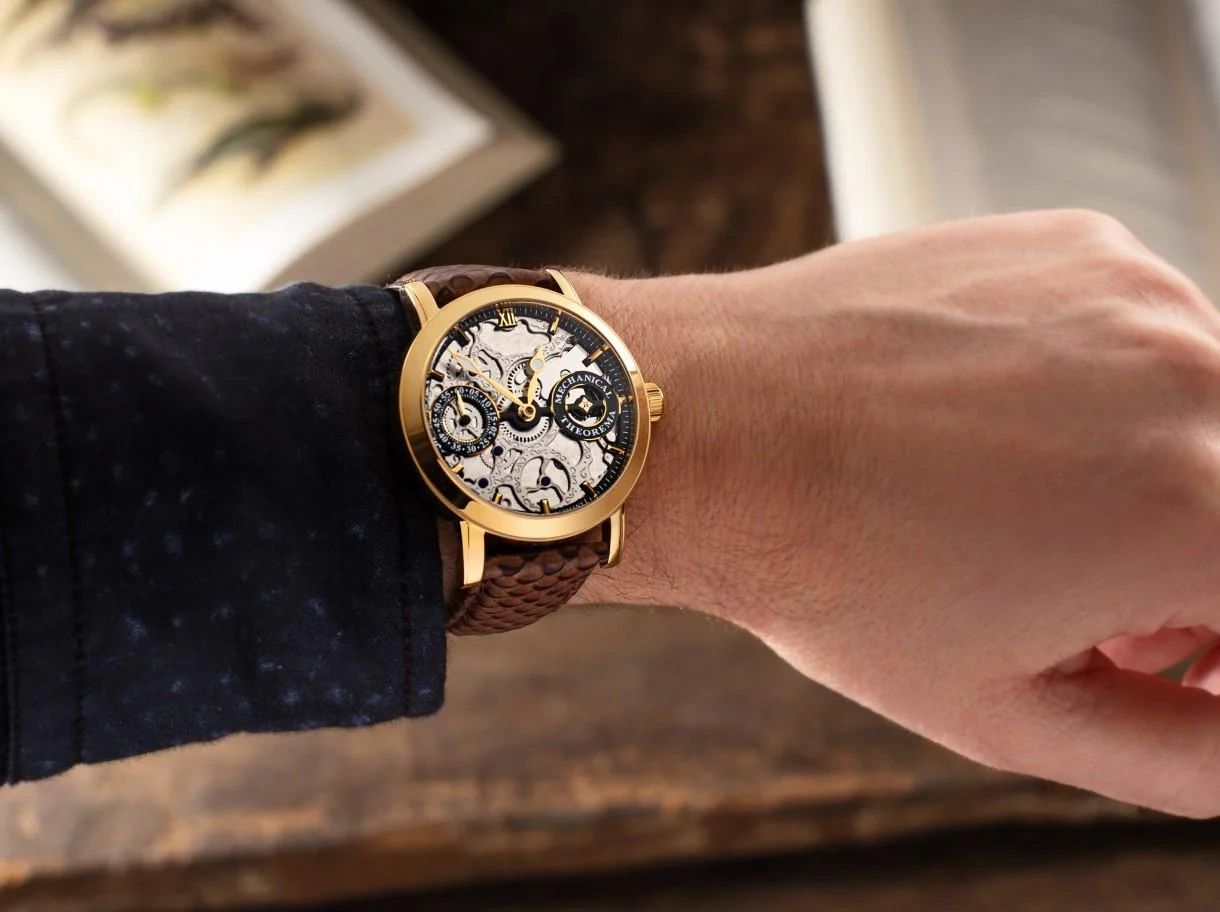
They are inaccurate by modern standards. They drift. They stop. They require interaction. And in doing so, they remind us that time is not just something to be consumed, but something to be experienced.
A mechanical watch does not promise precision. It offers presence.
There is also something fundamentally human about mechanical imperfection.
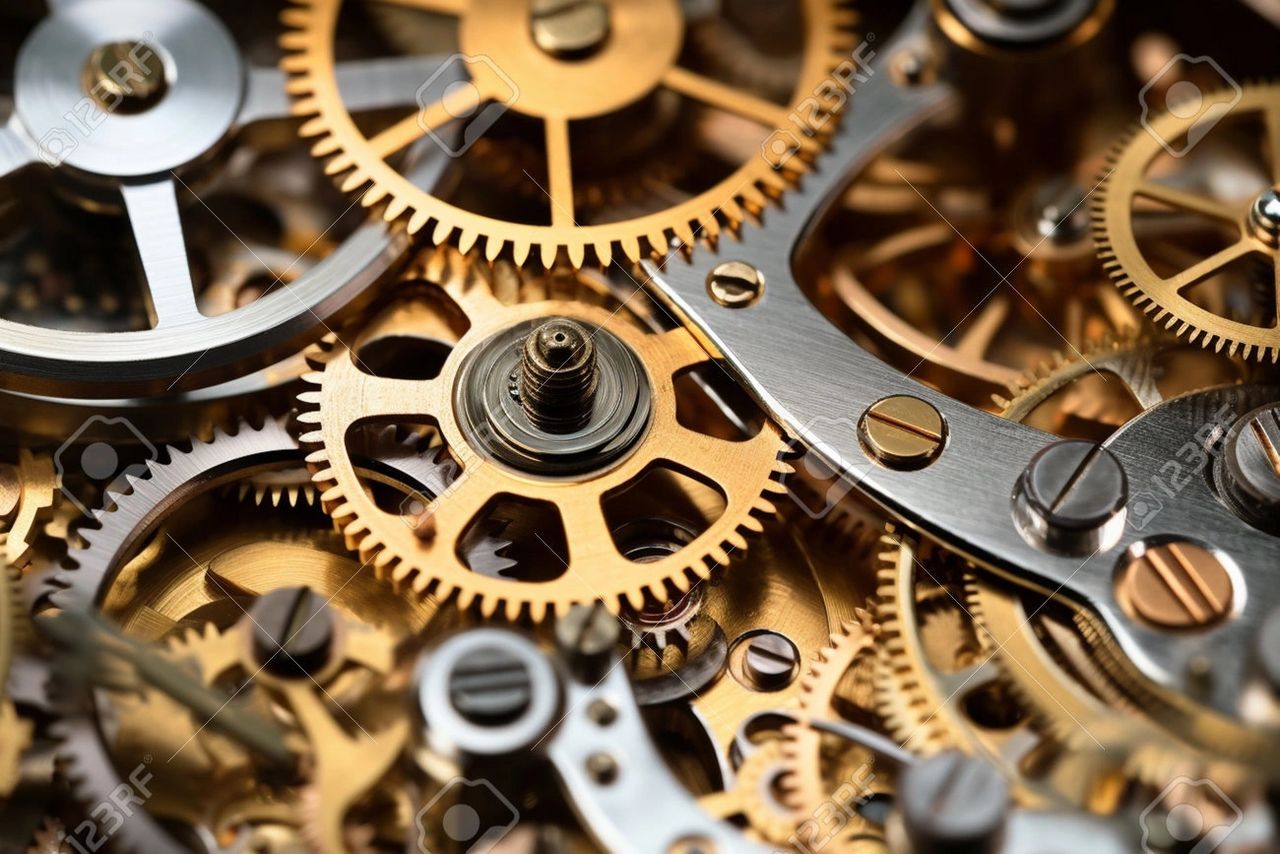
A mechanical movement is not a sealed miracle. It is exposed logic — gears pushing gears, springs releasing stored energy, balance wheels oscillating back and forth in fragile equilibrium. Everything is visible, understandable, and finite.
You can hear it. You can feel it. You can sense when it needs attention.
That transparency creates a relationship.
Unlike digital devices, which demand nothing until they suddenly fail, mechanical watches invite care. You wind them. You set them. You accept their limitations. In return, they continue — not endlessly, but faithfully.
This exchange is deeply out of step with modern technology. And that is precisely why it resonates.
Mechanical watches also resist the idea of constant improvement.
In a world defined by upgrades, updates, and obsolescence cycles, mechanical watches evolve slowly. Very slowly. The fundamentals of watchmaking today are not radically different from those of a century ago. Progress comes in fractions: improved tolerances, better materials, refined lubrication, longer service intervals.
There is no annual reset.
This continuity creates emotional stability. A mechanical watch does not suddenly feel outdated because a newer version exists. It ages with you. Its scratches accumulate as memories rather than defects. Its design becomes familiar rather than obsolete.
Modern objects rarely allow this kind of aging. Most are replaced before they can develop character.
Mechanical watches invite it.
Another reason mechanical watches endure is because they are not optimized.
They are inefficient, by design. Energy is lost to friction. Accuracy is compromised by physics. Power reserves are finite. These limitations are not flaws to be engineered away — they are part of the experience.
Efficiency removes engagement. Imperfection creates it.
When everything works instantly and invisibly, nothing feels earned. Mechanical watches reintroduce effort in a quiet way. A few turns of the crown. A glance rather than a notification. A moment of adjustment.
These gestures are small, but they add texture to time.
There is also a cultural dimension to their survival.
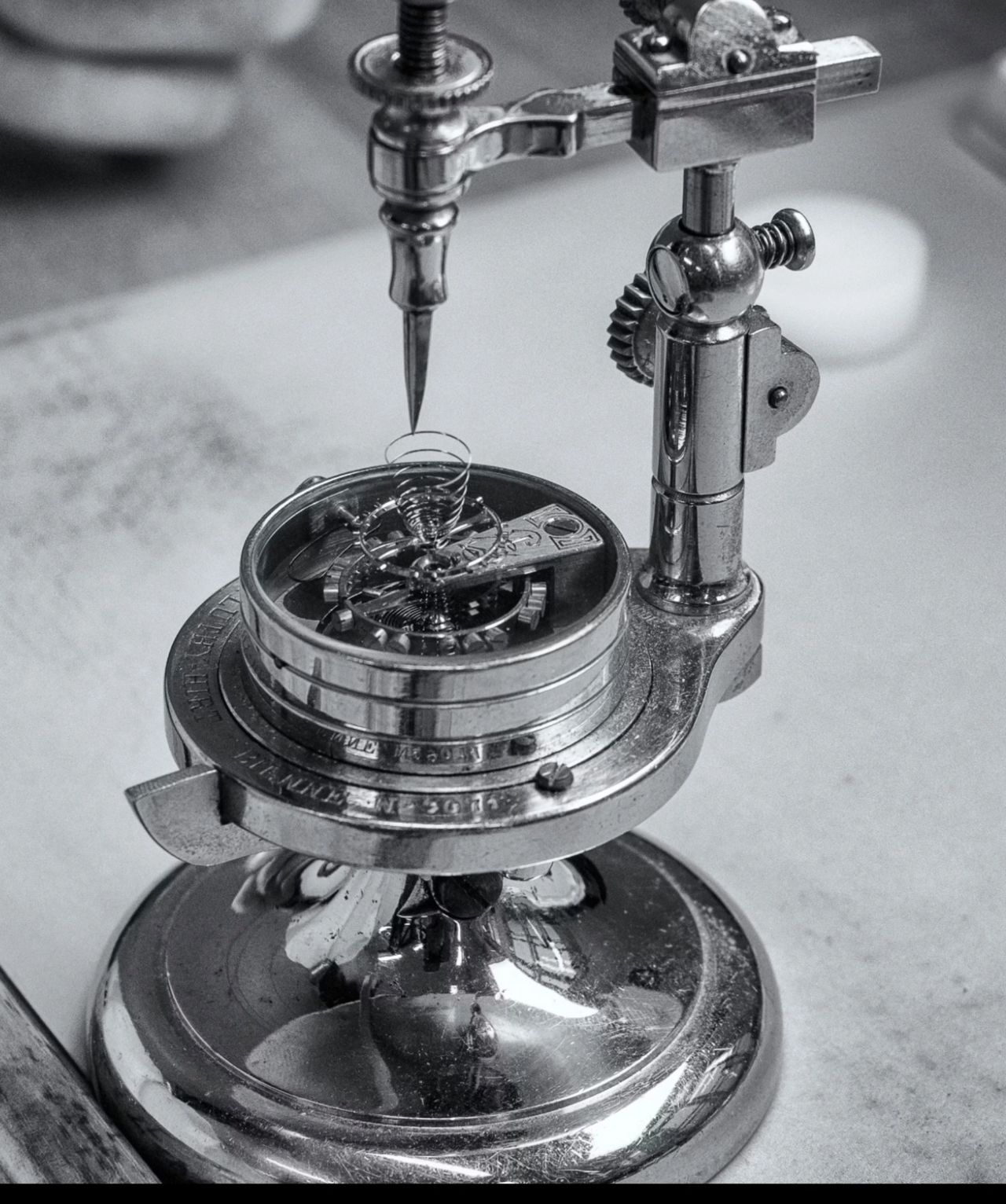
Mechanical watches occupy a rare space between function and symbolism. They are worn publicly but experienced privately. They signal taste without explanation. They carry meaning without demanding attention.
Unlike other luxury objects, they are rarely consumed passively. Even the simplest mechanical watch asks something of its wearer — understanding, care, patience.
That demand creates respect.
In an age where most objects are designed to disappear into convenience, mechanical watches remain deliberately present.
Perhaps the most important reason mechanical watches refuse to become obsolete is that they do not pretend to be necessary.
They are honest about their redundancy.
They exist because people choose them, not because they need them. That choice transforms them from tools into companions. From devices into artifacts.
A mechanical watch does not try to be better than your phone. It doesn’t compete with technology. It coexists with it — offering something technology does not aim to provide.
A slower relationship with time.
Mechanical watches are not surviving because the world failed to replace them.
They are surviving because the world replaced everything else too well.
When time became perfect, frictionless, and invisible, something human was lost. Mechanical watches quietly stepped into that gap — not loudly, not nostalgically, but persistently.
They remind us that time does not need to be optimized to be meaningful.
It only needs to be felt.