Why Rolex Stays Ahead in the Watch Wars?
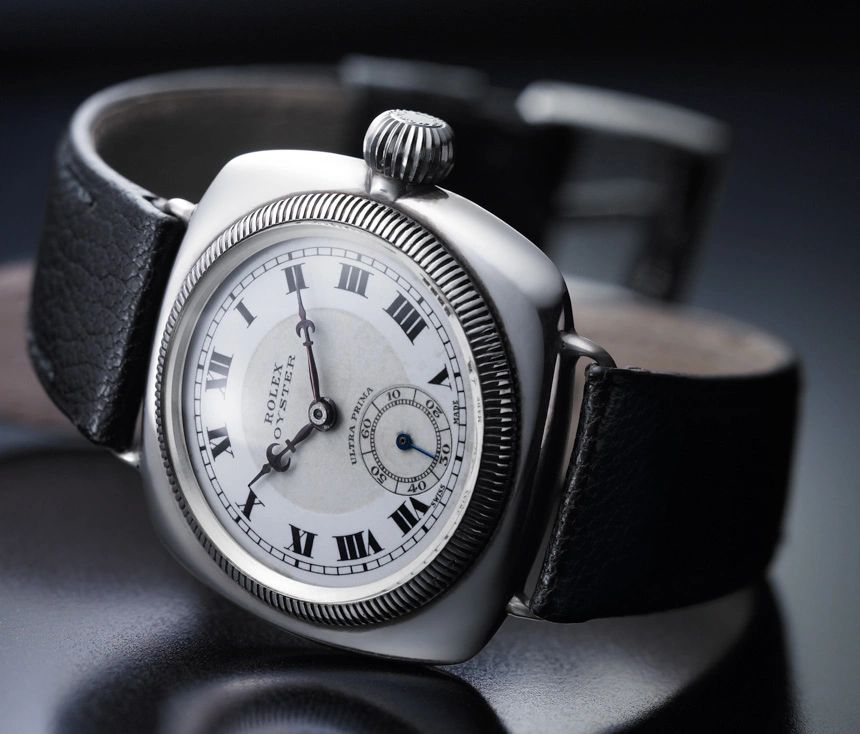
Long before watch collecting became a pastime, before brand loyalty turned into tribalism, and before mechanical watches became objects of desire rather than necessity, wristwatches themselves were still fighting for legitimacy.
At the start of the 20th century, serious timekeeping lived in pockets. Wristwatches were fragile, inaccurate, and widely dismissed as temporary accessories. They were fashionable, perhaps convenient, but not reliable. No one trusted them with important moments.
This was the world into which Rolex emerged.
Hans Wilsdorf did not begin with a romantic vision of horology. He was not obsessed with decoration or complexity. His fixation was far more practical — almost unfashionable at the time. He believed that a wristwatch could be precise, durable, and trustworthy enough to replace the pocket watch altogether.
That belief shaped everything that followed.
When Rolex pursued chronometer certification for small wristwatch movements, it was not chasing prestige. It was trying to prove a point. When the Oyster case appeared in 1926, it wasn’t a design flourish. It was a solution to dust, moisture, and daily wear. Even the now-iconic Perpetual rotor was less about elegance than autonomy — a watch that did not rely on constant attention to keep working.
By the time the wider world accepted wristwatches as serious instruments, Rolex had already positioned itself not as an experiment, but as a reference point.
That early advantage was never given up.
The War Rolex Chose to Fight
As mechanical watchmaking matured, different brands chose different paths.
Some pursued refinement, pushing finishing to artistic extremes. Others chased complexity, using complications as proof of mastery. Many leaned into heritage, storytelling, and emotion — often with good reason.
Rolex chose something far less glamorous: system reliability.
Rather than competing to be the most impressive under a loupe, Rolex focused on what would happen after years of use. After shocks. After neglect. After servicing. After resale. After inheritance.
Its watches were engineered not for moments of admiration, but for long stretches of ordinary life.
This philosophy explains why Rolex designs change so slowly. Case proportions remain familiar. Dials evolve cautiously. Movements are refined incrementally rather than reinvented publicly. To collectors chasing novelty, this can feel uninspired. To long-term owners, it feels reassuring.
A Rolex from decades ago does not feel alien on the wrist today. That continuity is intentional.
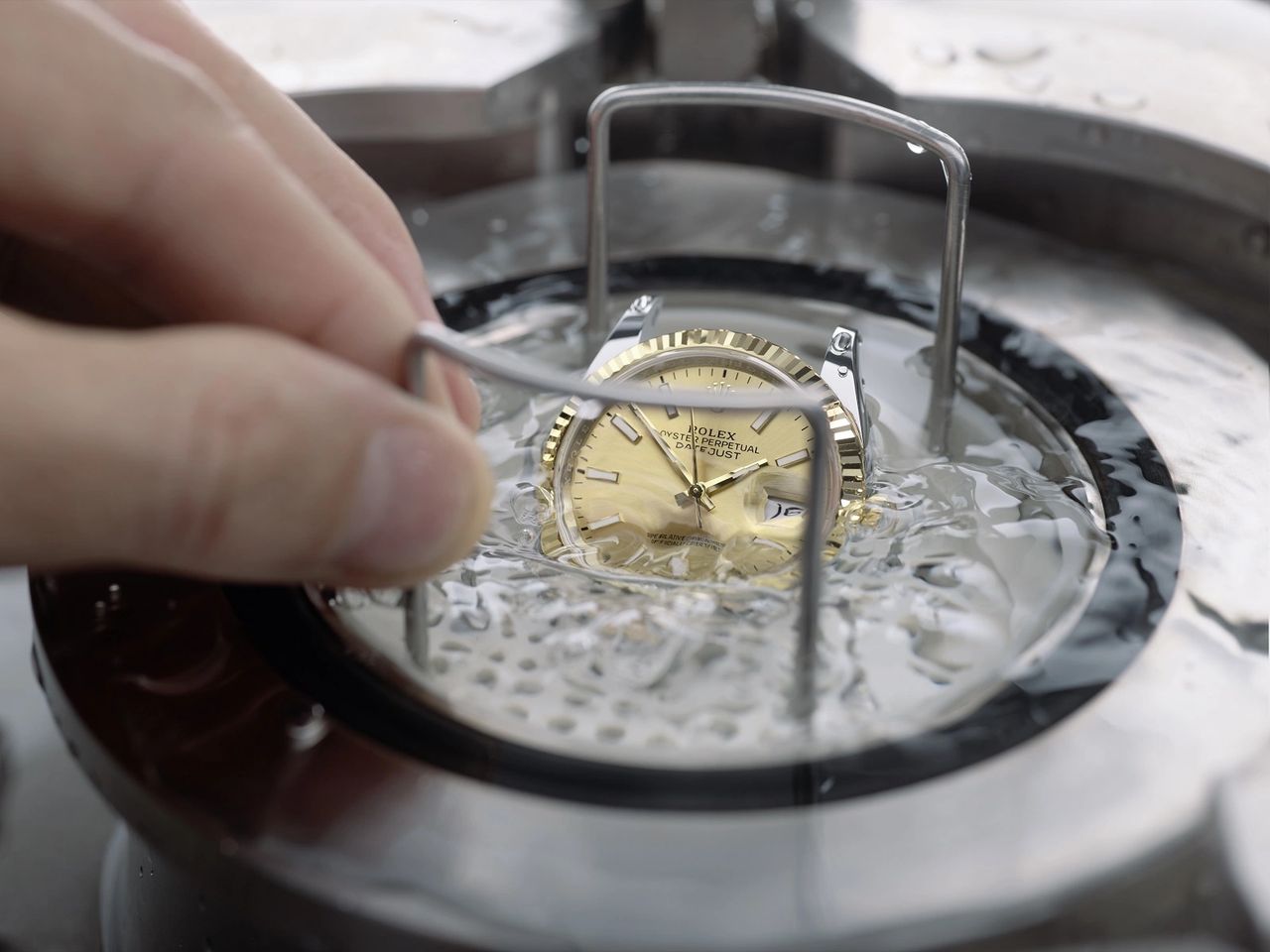
More importantly, Rolex never designed watches in isolation. It built an ecosystem around them — cases, movements, bracelets, service protocols, parts availability, and global support — all tuned to work together predictably.
This is where many competitors misunderstand the challenge.
Beating Rolex is not about making a better watch. Many brands already do, depending on the criteria. Beating Rolex would require building a system that delivers consistency, confidence, and longevity at scale — without eroding trust along the way.
That is far harder.
What Rolex Understood Before Everyone Else
The modern “watch wars” are often framed as battles of innovation, craftsmanship, or value. These debates dominate enthusiast circles, forums, and social media. Rolex largely stays out of them.
Not because it lacks the ability to compete — but because it doesn’t need to.
Rolex understood something early on that many brands only learn later: most people do not want to think about their watch.
They want it to work.
They want it to last.
They want it to feel appropriate everywhere.
They want to believe that choosing it was the correct decision — not just today, but ten or twenty years from now.
This is why Rolex appeals so strongly beyond collectors. Professionals who own one watch for decades. People who receive one to mark a milestone. Individuals who do not follow watch news but recognize what the crown represents.
Rolex sells assurance.
Assurance that the brand will still exist.
That servicing will be straightforward.
That the design will not age badly.
That the watch will not become obsolete or embarrassing.
This kind of trust cannot be rushed or marketed into existence. It accumulates slowly, through restraint, consistency, and an almost stubborn refusal to chase trends.
Ironically, this is also why Rolex is so often misunderstood by enthusiasts. Many judge it by the wrong standards — finishing per dollar, complication count, novelty per release. Rolex is not playing that game.
It is playing the long game.
The reason Rolex stays ahead in the watch wars is not brilliance in any single dimension. It is discipline across all of them.
Where others oscillate between tradition and experimentation, Rolex maintains a steady center. Where others seek excitement, Rolex seeks predictability. Where others measure success in launches, Rolex measures it in decades.
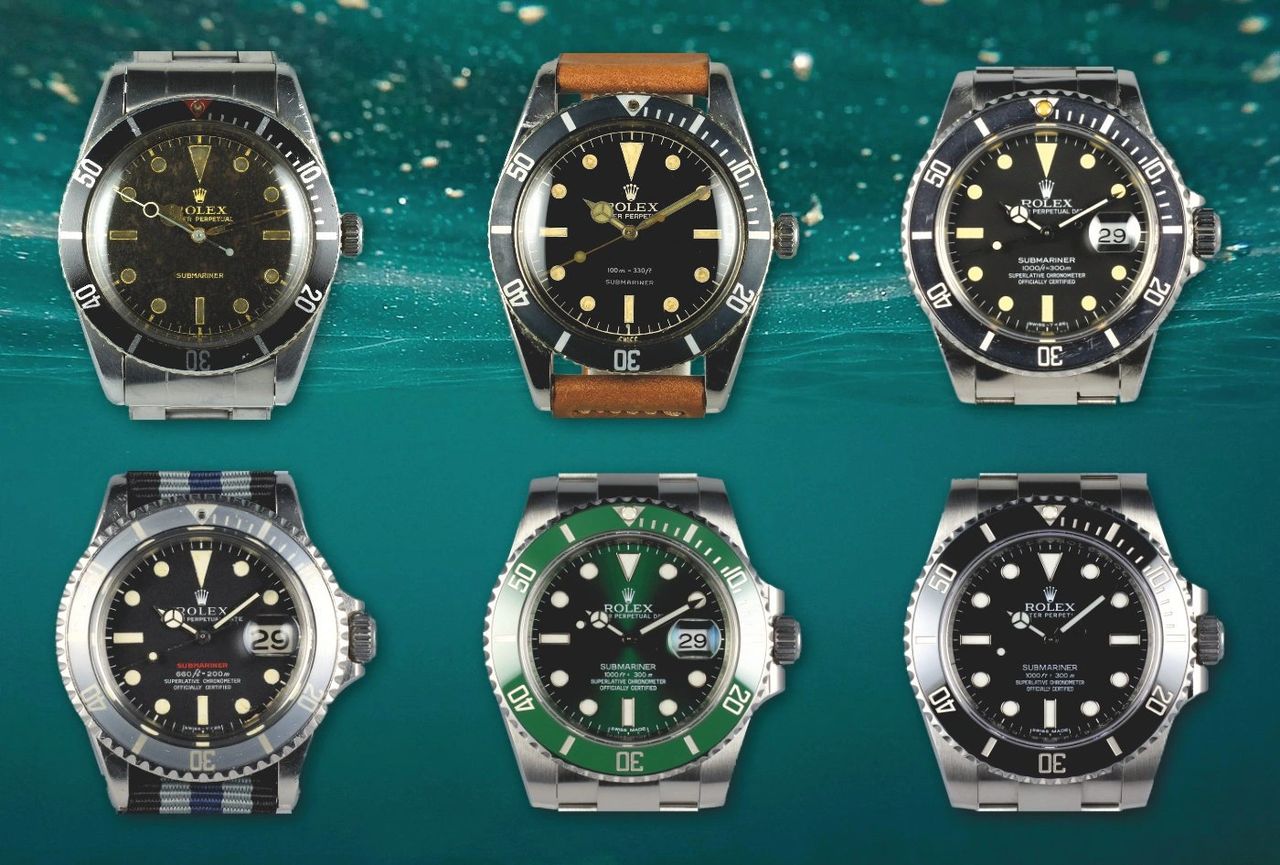
This does not make Rolex the most interesting brand to discuss, nor the most exciting to collect. It makes it something else entirely: the most dependable reference point in modern watchmaking.
In an industry increasingly shaped by trends, speculation, and noise, Rolex’s greatest strength may be its refusal to react.
It does not hurry.
It does not explain itself.
It does not compete loudly.
It simply continues — unchanged enough to feel familiar, improved enough to remain relevant.
And in a war that is ultimately measured not in years but in generations, that may be the only strategy that truly wins.